
Lassa Fever Death Toll Hits 224 in Nigeria as NCDC Confirms 936 Cases Across 23 States, 113 LGAs
The Nigeria Centre for Disease Control and Prevention says Lassa fever has claimed 224 lives so far in 2026, with 936 confirmed cases recorded across 23 states and 113 local government areas, even as the case fatality rate climbs above last year's figure
The Nigeria Centre for Disease Control and Prevention (NCDC) has confirmed that Lassa fever has now claimed 224 lives in Nigeria in 2026, with 936 confirmed cases recorded nationwide, as health authorities continue to battle one of the country's most persistent viral haemorrhagic threats.
According to the agency's latest situation report covering Epidemiological Week 27, Nigeria recorded 14 new confirmed infections during the week under review, a notable decline from the 31 cases reported the previous week. The newly confirmed cases were detected across five states , Ondo, Edo, Bauchi, Benue and Kogi ,underscoring how widely the disease continues to circulate despite the drop in weekly numbers.
Even with fewer fresh infections, the overall picture remains concerning. The case fatality rate has climbed to 23.9 per cent this year, up from 18.9 per cent recorded during the same period in 2025 , meaning that a higher proportion of confirmed patients are dying from the disease compared to last year, even as total case numbers are tracked closely by health officials.
The NCDC said confirmed cases have now been documented in 23 states spanning 113 local government areas since the start of the year, reflecting the geographic spread of an illness that has historically been concentrated in a handful of high-burden states. Indeed, the agency noted that just five states account for a striking 85 per cent of all confirmed cases recorded so far this year. Ondo State carries the heaviest burden, contributing 30 per cent of confirmed cases, followed by Bauchi with 25 per cent, Taraba with 14 per cent, Edo with 10 per cent, and Benue with six per cent. The remaining 15 per cent of cases were spread across 18 other states, illustrating how the outbreak, while nationwide in reach, remains heavily concentrated in its traditional hotspots.
Demographic data released alongside the figures show that Lassa fever continues to disproportionately affect young adults, with people aged 21 to 30 years recording the highest number of confirmed infections. Patients affected this year ranged in age from just one to 93 years old, with a median age of 30. The male-to-female ratio among confirmed cases stood at roughly 1:0.9, indicating a fairly even split between the sexes. In a rare piece of positive news, the agency reported that no healthcare worker was infected during the reporting week, a departure from earlier stages of the outbreak when frontline workers were among those affected.
The NCDC said its National Lassa Fever Incident Management System remains fully activated to coordinate the country's response. During the week under review, the agency and its partners trained healthcare workers in Bauchi, Taraba, Ondo and Ebonyi states on case management, infection prevention and control, as well as screening and triage protocols designed to catch suspected cases early. Community engagement drives were also carried out in Edo and Ondo states, targeting religious and traditional leaders, farmers, and market women , groups considered critical to spreading awareness and encouraging residents to seek healthcare promptly rather than delaying treatment.
Other interventions rolled out during the week included active case searches and contact tracing in high-burden states, distribution of personal protective equipment to health facilities, laboratory testing to support faster diagnosis, and the activation of emergency response systems in Benue, Plateau, Kebbi, Kano, Gombe and Oyo states. The agency also disclosed that it had developed a 30-day healthcare worker protection plan aimed at reducing infections among frontline staff, alongside a review of national case management guidelines carried out with support from international partners.
Despite these interventions, the NCDC identified several underlying factors driving the elevated fatality rate. These include the late presentation of patients at health facilities, poor health-seeking behaviour linked to the high cost of treatment, inadequate environmental sanitation in affected communities, low public awareness of the disease, and earlier infections among healthcare workers recorded during the course of the outbreak.
To strengthen the national response, the NCDC has urged state governments to sustain year-round community engagement and public awareness campaigns focused on Lassa fever prevention. It also advised healthcare workers nationwide to maintain a high index of suspicion for the disease, promptly refer suspected cases for specialist treatment, and strictly adhere to infection prevention and control protocols in health facilities. The agency further appealed to its development partners to continue supporting states in building capacity to prevent, detect, and respond swiftly to future outbreaks.
Lassa fever is an acute viral haemorrhagic illness caused by the Lassa virus, transmitted to humans primarily through contact with food or household items contaminated by the urine or faeces of infected rats. The disease can also spread between humans through contact with bodily fluids. It typically begins with fever, weakness and headache, and in severe cases can progress to bleeding, difficulty breathing, swelling and organ failure , making early detection and treatment critical to survival.
Sponsored

Related stories
 Health
Borno Hires 2,000 Health Workers, Still Faces Staff Shortage
Borno State has recruited nearly 2,000 doctors, nurses and other health professionals in two years, but the head of its contributory health agency says manpower gaps persist as demand grows under the state health insurance scheme.
 Health
Lassa Fever Kills 268 in Nigeria as Cases Hit 1,138
Nigeria has recorded 1,138 confirmed Lassa fever cases and 268 deaths across 24 states in 2026, with the case fatality rate rising to 23.6 per cent—significantly higher than the 18.6 per cent recorded during the same period in 2025. The NCDC has identified five states accounting for 88 per cent of all confirmed cases, as it intensifies preparedness efforts ahead of the peak transmission season.
 Health
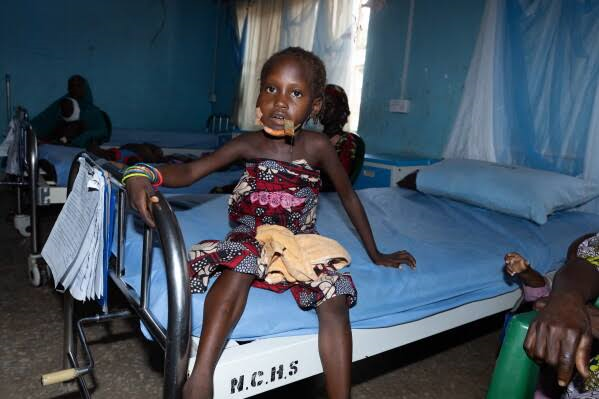
MSF Calls for Routine Noma Surveillance in Nigeria
Doctors Without Borders says noma, a fast-moving and often fatal facial infection linked to malnutrition and poverty, remains largely missing from Nigeria's routine child health programmes despite its 2023 recognition as a neglected tropical disease.
 Health
Oyo Rejects Diphtheria Outbreak Claims, Accuses APC
The Oyo State Government has dismissed claims by the Senator Sharafadeen Alli Campaign Organisation that diphtheria has affected 16 local government areas, describing the allegation as false and politically motivated. Commissioner for Health Dr. Oluwaserimi Ajetunmobi confirmed that while suspected cases have been recorded in 10 LGAs, none have been confirmed, and accused the APC campaign group of distorting immunisation data to score political points.
Comments (0)
Leave a comment
All comments are moderated before publishing. Your email is never published.