
Lagos Expands Health Insurance Coverage, Targets Universal Healthcare
Lagos State says more than 1.5 million residents are enrolled in its health insurance scheme as the government introduces instalment payments, subsidies for vulnerable groups and emergency assistance to advance universal health coverage.
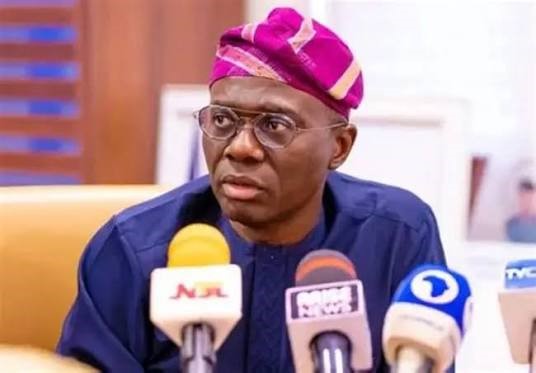
The Lagos State Government has intensified efforts to achieve universal health coverage by expanding mandatory health insurance and introducing new financing mechanisms designed to make healthcare more accessible and affordable for residents.
Governor Babajide Sanwo-Olu disclosed that more than 1.5 million residents had enrolled in the Lagos State Health Insurance Scheme, known as ILERA EKO. He described health insurance as the foundation of the state’s drive to ensure that every resident can obtain medical care regardless of income level or location.
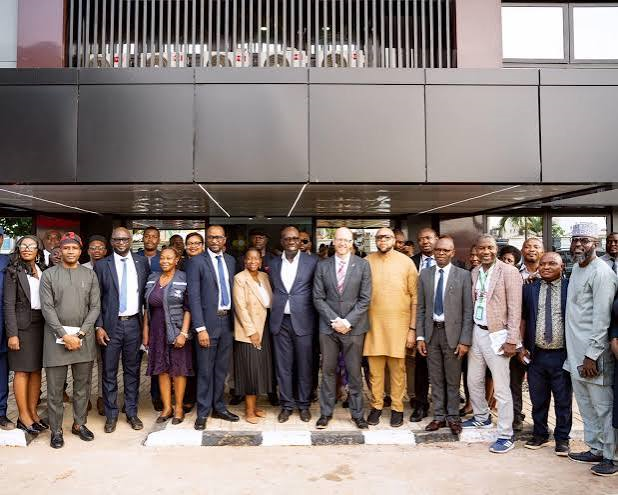
Sanwo-Olu spoke during the second Eko Health Convention, where policymakers, healthcare professionals, development partners and private-sector stakeholders examined the next phase of healthcare reforms in the state. The theme of the convention was “Building a Healthier Lagos: Connecting Access with Excellence.”
The governor said Lagos was moving beyond the construction and rehabilitation of hospitals to focus on stronger institutions, sustainable financing, digital health systems and improved service delivery. He said the goal was to build a healthcare system capable of serving residents for generations rather than depending only on individual government projects.
Mandatory health insurance remains central to the strategy. Sanwo-Olu recalled that he signed an Executive Order in July 2024 domesticating the National Health Insurance Authority Act in Lagos, thereby making social health insurance compulsory for residents of the state.
The policy is intended to reduce the amount residents pay directly whenever they need medical attention. Out-of-pocket payments can force households to delay treatment, borrow money or sell assets to settle hospital bills. By spreading medical costs among a larger pool of contributors, health insurance is expected to offer financial protection and encourage people to seek care earlier.
To make the scheme more affordable, the state has introduced the ILERA EKO EasyPay platform. The initiative allows enrollees to pay their premiums in instalments rather than making a single payment. The arrangement is particularly important for informal-sector workers and households whose incomes are irregular.
The government has also established an Equity Fund to support the payment of premiums for vulnerable residents. The fund is designed to ensure that poor households, persons with disabilities and other disadvantaged groups are not excluded from the health insurance system because they cannot afford regular contributions.
Another intervention is the Lagos State Health Insurance Scheme Assistance in Distress, known as LAID. The programme provides emergency patients with access to treatment while insurance and payment-related issues are being resolved. That measure is meant to prevent administrative delays from putting lives at risk, particularly when patients require immediate attention.
The expansion of health insurance is being supported by grassroots services. The Lagos State Health Management Agency has opened ILERA EKO offices in communities such as Surulere, allowing residents to register, update their records, change healthcare providers, resolve complaints and obtain information without travelling long distances.
The state has also been expanding its network of healthcare facilities and strengthening hospital infrastructure. Deputy Governor Obafemi Hamzat cited the redevelopment of Massey Children’s Specialist Hospital, expansion of general hospitals and plans for a 1,500-bed mental health institute as evidence of the administration’s broader healthcare agenda.
Digital medical records are another component of the reform programme. Electronic records can improve the way patient information is stored and shared, reduce duplication and help healthcare providers make better decisions. They can also support claims processing and improve accountability within the insurance system.
However, the number of enrollees is only one measure of progress. The success of ILERA EKO will also depend on the quality of services available to beneficiaries. Residents need access to accredited facilities, trained health workers, essential medicines, laboratory services and timely referrals.
LASHMA, which manages the state’s health insurance programme, has indicated that new policy changes will be introduced to protect the sustainability of the scheme. The agency said the reforms would safeguard vulnerable residents who genuinely cannot afford premiums or instalment payments.
The state must also continue improving public awareness. Many residents may not fully understand what their insurance plans cover, how to select providers or where to lodge complaints. Clear information and responsive customer service will be important in preventing frustration and building trust.
Lagos still faces a significant challenge because of its large and highly mobile population. Informal workers, migrants and low-income residents may be difficult to reach through conventional enrolment channels. The government will need sustained community campaigns and partnerships with employers, markets, transport unions, faith organisations and civil society groups.
Sanwo-Olu said the government’s objective was to ensure that healthcare is not a privilege available only to a few but a right enjoyed by every resident. With more than 1.5 million people already enrolled, Lagos has made progress, but achieving universal coverage will require continued investment, effective regulation and healthcare services that residents can trust.
Sponsored
Related stories
 Health
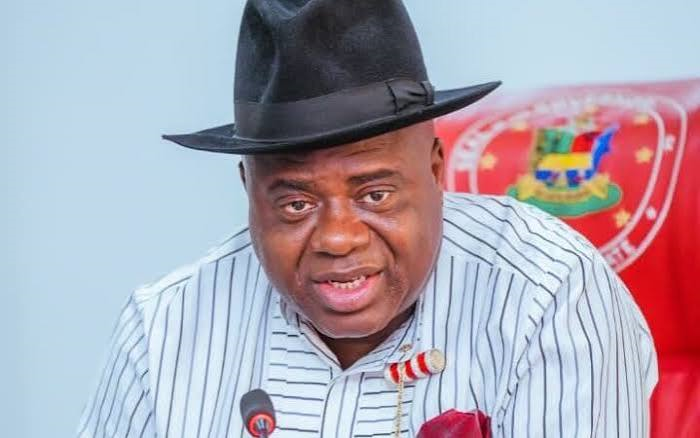
Diri Orders Free Quarterly Health Checks for All Bayelsa Residents at Secondary Facilities
Governor Douye Diri has directed Bayelsa's Ministry of Health to begin free quarterly medical check-ups across all eight local government areas, aimed at helping residents who cannot afford routine screening and promoting early detection of diseases.
 Health
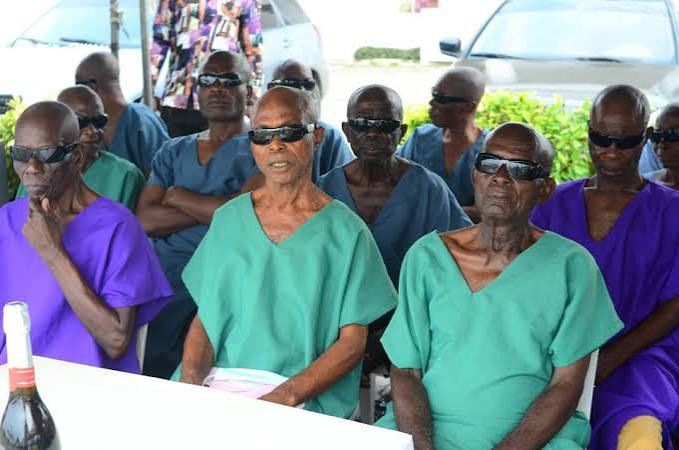
‘Priceless Gift of Sight’ Reaches 400,000 Beneficiaries
FCMB and the Tulsi Chanrai Foundation say their 15-year eye care partnership has reached over 400,000 Nigerians, as a World Sight Day roundtable in Abuja pushes for private-sector funding to sustain and expand care.
 Health
FUNAAB Launches Africa’s First AI Disease Surveillance System
Researchers at the Federal University of Agriculture, Abeokuta, have developed IDS-Master, a groundbreaking AI-powered surveillance system that detects infectious disease outbreaks in real time by analysing reports from community leaders, health agents, and ordinary residents. Described as Africa's first fully AI-driven event-based surveillance platform, the innovation promises to bridge critical gaps in outbreak detection across underserved rural communities where delays in reporting can cost l
 Health
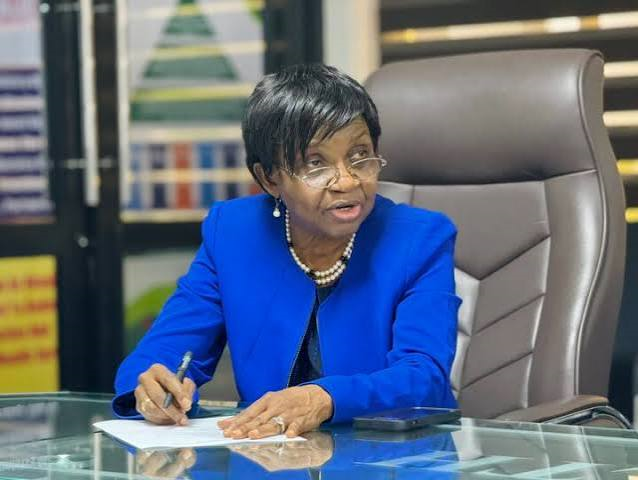
NAFDAC Seeks Global Partners for Local Vaccine Production
The Director-General of the National Agency for Food and Drug Administration and Control (NAFDAC), Prof. Mojisola Adeyeye, has called on international partners to support the establishment of vaccine manufacturing facilities in Nigeria, saying local production is the missing link in the agency’s push to attain World Health Organisation Maturity Level 4 for vaccine lot release. She spoke at the 8th Nigeria Pharma Manufacturers’ Expo in Lagos, where she commended President Bola Tinubu’s Executive
Comments (0)
Leave a comment
All comments are moderated before publishing. Your email is never published.