
Lagos Decries Huge Health Workforce Gap, Says Only 8,000 Workers Serve 1.5m Insured Residents
Governor Sanwo-Olu says Lagos currently has less than 8,000 health workers against an estimated need for 40,000, as the state unveils reforms to expand insurance coverage, digitise healthcare and strengthen its workforce.
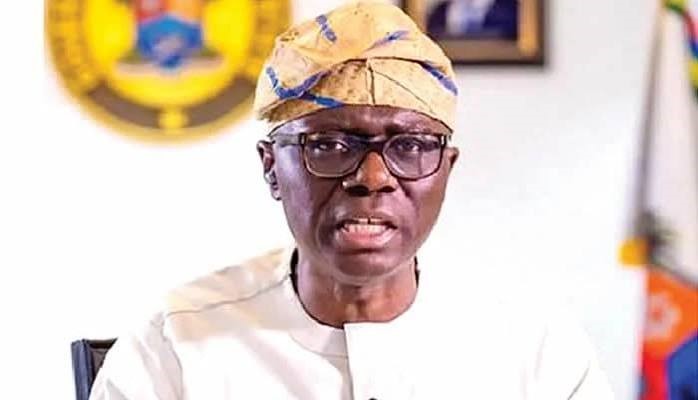
The Lagos State Government has raised concern over a significant shortage of healthcare workers in the state, disclosing that it currently has fewer than 8,000 health workers available to serve a population that includes over 1.5 million residents enrolled in its state health insurance scheme, far short of the roughly 40,000 workers officials say are actually needed.
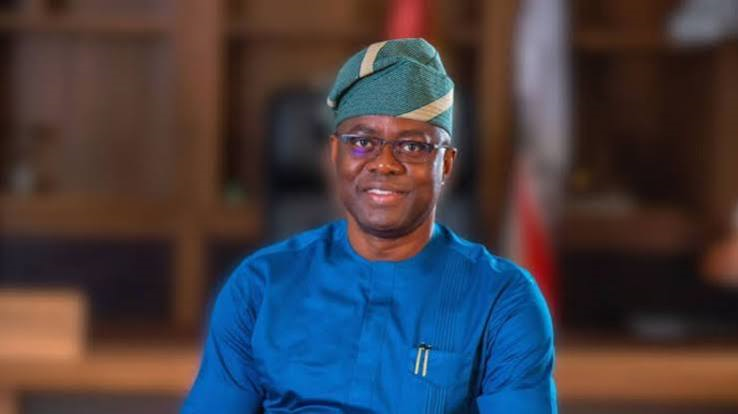
Governor Babajide Sanwo-Olu made the disclosure while declaring open the Second Eko Health Convention 2026 in Lagos on Friday, where he called for comprehensive healthcare reform to close the gap between the state's growing population of insured residents and the workforce available to attend to them.
Speaking under the convention's theme, "Building a Healthier Lagos: Connecting Access with Excellence," the governor said the state's healthcare reforms would focus on four key areas: expanding health insurance coverage, accelerating digital healthcare adoption, strengthening health infrastructure, and developing the workforce needed to sustain the system long-term. He described the convention's theme as the guiding philosophy behind Lagos's ongoing healthcare transformation agenda.
Sanwo-Olu stressed that the state's approach was shifting away from simply executing individual health projects toward building lasting healthcare institutions capable of outliving any single administration. "Projects belong to an administration; institutions become a legacy," he said, adding that healthcare "is not a privilege for a few but a right for all."
On the insurance front, the governor disclosed that more than 1.5 million residents have now enrolled in the Lagos State Health Insurance Scheme, a figure he linked directly to the state's domestication of the National Health Insurance Authority (NHIA) Act. This legal framework, adopted at the state level, has been central to Lagos's push toward mandatory and expanded health coverage for residents in recent years.
To support this growing insured population, Sanwo-Olu pointed to several ongoing initiatives, including the Ilera Eko EasyPay platform, the Equity Fund, and the LASHMA Assistance in Distress programme, all designed to ease the financial burden of healthcare access for residents. He also highlighted digital reforms being driven through the Smart Health Information Platform (SHIP), which the state plans to use to integrate electronic medical records and deploy artificial intelligence tools aimed at improving the efficiency and quality of healthcare delivery across Lagos.
Speaking at the same event, Lagos State Deputy Governor, Dr Kadri Hamzat, said the state had grown "far stronger" over seven years of consistent healthcare reforms, citing sustained investment in health infrastructure, improved governance structures, and the introduction of mandatory health insurance as key markers of progress. He used the opportunity to commend the state's healthcare workers directly, noting that ultimately, "buildings do not treat people; healthcare workers do," a remark that underscored the government's acknowledgment of the workforce shortage even as it pursues infrastructure-driven reforms.
Also speaking at the convention, Lagos State Commissioner for Health, Professor Akin Abayomi, alongside the Special Adviser on Health, Dr Kemi Ogunyemi, said the state government had moved beyond simply making healthcare commitments and was now firmly in the implementation phase of its reform agenda. They pointed to a number of transformational projects already underway, including the Massey Children's Specialist Hospital, the Mental Health Institute, and the proposed Lagos State University of Medicine and Health Sciences, all of which they said are intended to position Lagos as a leading hub for healthcare innovation, not just within Nigeria, but across the African continent.
The disclosure of the workforce shortfall comes amid a broader national conversation around Nigeria's healthcare worker shortage, with many states struggling to retain trained medical personnel amid continued emigration of health professionals abroad. For Lagos, a state with one of the country's largest and most rapidly growing populations, closing the gap between insurance coverage and available healthcare workers is likely to remain a central challenge as the government pushes forward with its broader health sector transformation agenda.
Sponsored

Related stories
 Health
Borno Hires 2,000 Health Workers, Still Faces Staff Shortage
Borno State has recruited nearly 2,000 doctors, nurses and other health professionals in two years, but the head of its contributory health agency says manpower gaps persist as demand grows under the state health insurance scheme.
 Health
Lassa Fever Kills 268 in Nigeria as Cases Hit 1,138
Nigeria has recorded 1,138 confirmed Lassa fever cases and 268 deaths across 24 states in 2026, with the case fatality rate rising to 23.6 per cent—significantly higher than the 18.6 per cent recorded during the same period in 2025. The NCDC has identified five states accounting for 88 per cent of all confirmed cases, as it intensifies preparedness efforts ahead of the peak transmission season.
 Health
MSF Calls for Routine Noma Surveillance in Nigeria
Doctors Without Borders says noma, a fast-moving and often fatal facial infection linked to malnutrition and poverty, remains largely missing from Nigeria's routine child health programmes despite its 2023 recognition as a neglected tropical disease.
 Health
Oyo Rejects Diphtheria Outbreak Claims, Accuses APC
The Oyo State Government has dismissed claims by the Senator Sharafadeen Alli Campaign Organisation that diphtheria has affected 16 local government areas, describing the allegation as false and politically motivated. Commissioner for Health Dr. Oluwaserimi Ajetunmobi confirmed that while suspected cases have been recorded in 10 LGAs, none have been confirmed, and accused the APC campaign group of distorting immunisation data to score political points.
Comments (0)
Leave a comment
All comments are moderated before publishing. Your email is never published.