
Khamenei: Why I Approved US Deal Despite Having Different View
Iran’s Supreme Leader Ayatollah Mojtaba Khamenei says he approved a deal with the United States to end the Middle East war despite having reservations over the agreement.
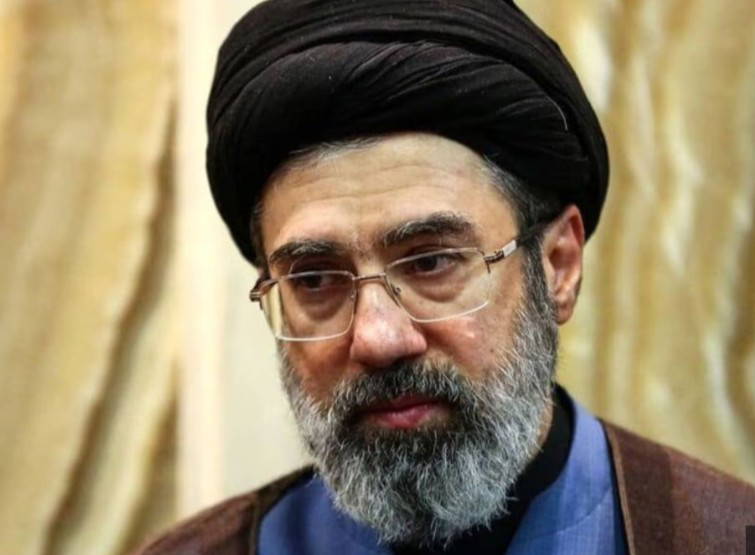
Iran’s Supreme Leader, Ayatollah Mojtaba Khamenei, has revealed that he approved a deal with the United States to end the Middle East war despite holding a different opinion about the agreement.
Khamenei made the disclosure on Thursday in a message broadcast on Iranian state television, marking his first reaction to the deal signed between US President Donald Trump and Iranian President Masoud Pezeshkian.
The Iranian leader said he granted approval because of assurances given by Pezeshkian, who is also chairman of Iran’s Supreme National Security Council, that the country’s interests and the rights of the Iranian people would be protected.
“In principle, I had a different view (about the memorandum of understanding), but I issued my permission due to the commitment that the honourable Iranian president, as the chairman of the Supreme National Security Council, gave me on behalf of himself and other members to protect the rights of the Iranian nation and the Resistance Front,” Khamenei said.
He did not provide details about the specific concerns he had regarding the agreement.
Khamenei also warned that future face-to-face negotiations with the United States would not mean Iran had accepted Washington’s position.
“It is obvious that the face-to-face negotiations that will be held in the future will not mean accepting the enemy’s point of view,” he said.
The Supreme Leader added that the agreement would not be accepted if the American side attempted to make excessive demands during future discussions.
Khamenei accused US President Donald Trump of using “all kinds of levers” to secure the deal, describing the move as a result of desperation.
The message was the first public statement from Khamenei since he assumed office in March following the death of his father and predecessor, Ayatollah Ali Khamenei, during US-Israeli strikes on Iran on February 28 that triggered the regional conflict.
The agreement between Washington and Tehran is aimed at ending hostilities in the Middle East after weeks of escalating tensions and military confrontations.
The deal has attracted international attention, with observers watching how both sides implement its terms and whether it will lead to a broader diplomatic settlement between the two countries.
Related stories
 News
News
Afenifere Warns Rising Insecurity Threatens Nigeria’s Democracy
Afenifere has warned that worsening insecurity across Nigeria is threatening democratic progress, urging governments to adopt coordinated measures to tackle kidnapping, banditry and violent crimes.
 News
News
Court Cautions DSS Over Alleged Violation of Injunction in Bauchi Land Dispute
A Bauchi High Court has warned the DSS against violating an injunction restraining it from entering disputed farmland in Ganjuwa LGA pending the determination of a suit.
 News
News
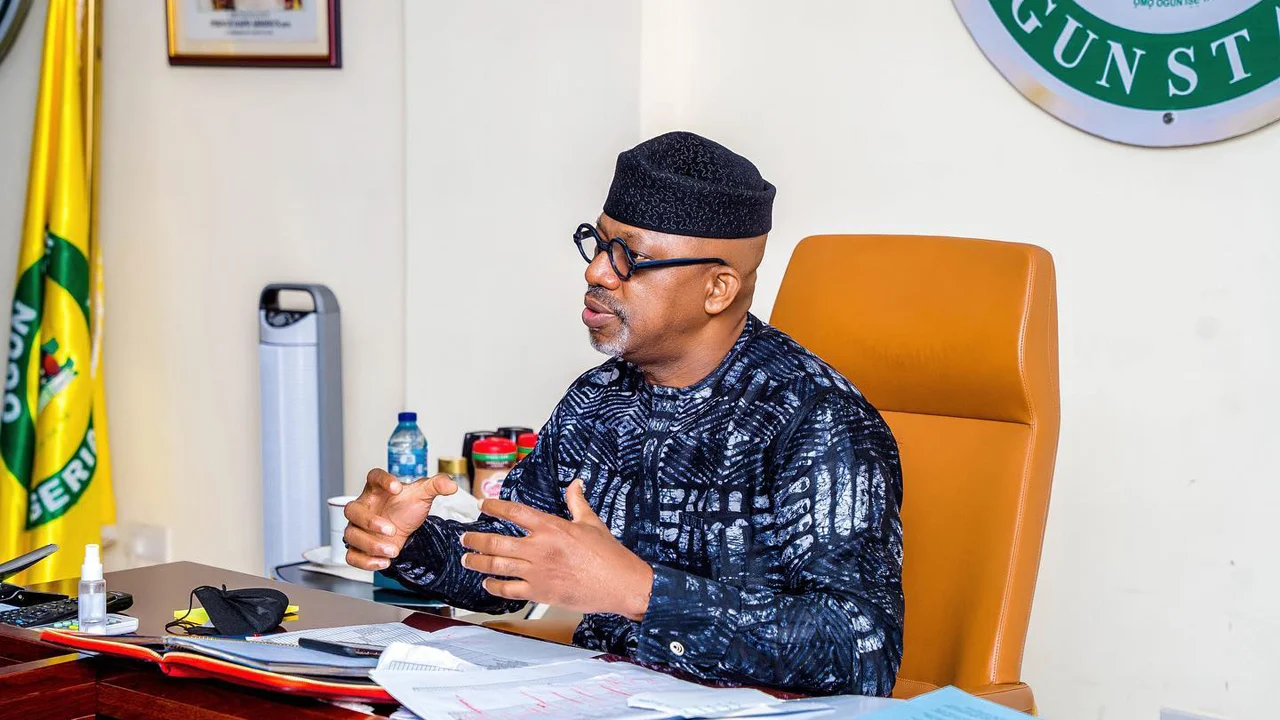
Ogun Bans Graduation Ceremonies, End-of-Session Parties in Public, Private Schools
The Ogun State Government has banned graduation ceremonies and end-of-session parties in schools, citing concerns over alleged exploitation of parents and warning administrators against violating the directive.
 News
News
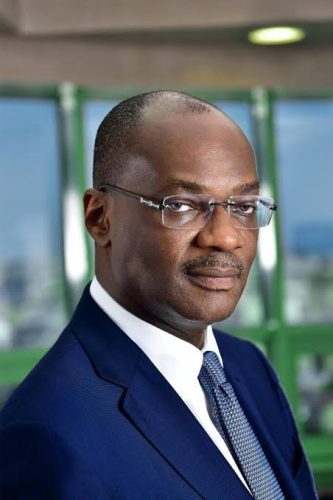
Tinubu Appoints Kunle Elebute as FRCN Chairperson
President Bola Tinubu has appointed Kunle Elebute as Chairperson of the Financial Reporting Council of Nigeria, reinforcing efforts to strengthen transparency, accountability and corporate governance standards nationwide.
Comments (0)
Leave a comment
All comments are moderated before publishing. Your email is never published.