
Kano Digital Market Targets ₦50bn Revenue, 100,000 Jobs
The new Hajaj-ZOEC Digital Market in Kano is projected to generate about ₦50 billion in revenue and create more than 100,000 direct and indirect jobs as it expands the city’s role as a major commercial hub in West Africa.
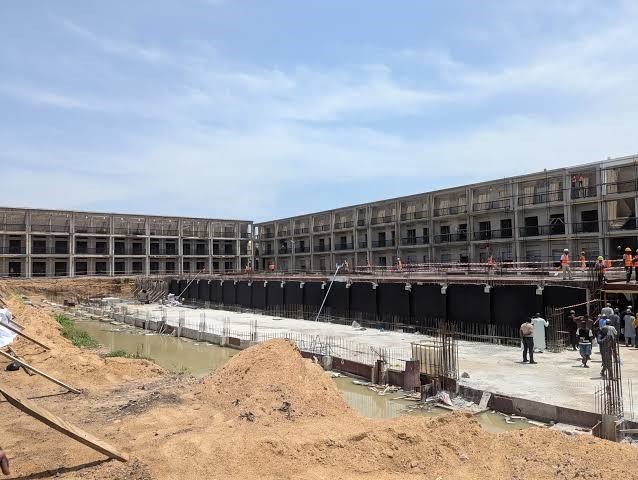
Kano State is betting big on commerce and digital trade with the newly commissioned Hajaj-ZOEC Digital Market. The project is expected to generate about ₦50 billion in revenue and create more than 100,000 direct and indirect jobs once fully operational, according to the developers.
The market is designed to deepen commerce in electronics, ICT and related technology products. That focus is important because it positions Kano not just as a traditional trading centre, but as a modern hub for digital commerce with regional reach across West Africa.
During construction, the project already had a visible economic impact. The developer said more than 1,000 workers were employed daily on the site, while suppliers and other participants in the project value chain meant more than 8,000 people had already benefited before the market even opened.
The bigger promise, however, is what happens after launch. Once fully operational, the market is expected to stimulate a wide range of activities, from retail and logistics to technical services, repairs, storage and supply chains. That kind of ecosystem can create jobs far beyond the traders who occupy the stalls.
The project is also aimed at reducing the need for Nigerian traders to travel abroad to source electrical and electronic products. By keeping more of that trade at home, the market could help conserve foreign exchange, strengthen local distribution networks and make products more accessible to buyers in northern Nigeria and beyond.
The economic logic is straightforward: when a market is large, organised and specialised, it attracts more buyers, more sellers and more investment. That can turn the location into a magnet for commercial activity, especially in a city like Kano that already has a long history as one of Nigeria’s major trading centres.
The developers and partners behind the project say it is a landmark investment that should promote commerce, attract new capital and reinforce Kano’s position in the national economy. The involvement of private and public actors also suggests confidence that the market can support both direct business activity and wider urban growth.
The scale of the job projection is particularly notable. If realised, 100,000 direct and indirect jobs would make the market one of the more significant employment-generating commercial projects in the country. That could matter in a state where youth unemployment and underemployment remain major concerns.
The project also fits into a wider Kano push to modernise its economy through digital transformation and technology-linked investments. Across recent initiatives, the state has been trying to build infrastructure, skills and commercial systems that support innovation, enterprise and job creation.
For traders, the practical benefit is a more organised marketplace with stronger foot traffic and potentially better access to suppliers and customers. For the state, the reward could be higher internally generated revenue, a stronger commercial identity and more employment opportunities. If the projections hold, the Hajaj-ZOEC Digital Market may become one of Kano’s most consequential recent investments.
Sponsored

Related stories
 Tech & Education
Bamidele Unveils N200m Renovated Science College
Senate Leader Opeyemi Bamidele has commissioned the renovated Government Science College, Iyin-Ekiti, personally funded at over N200 million, donating buses to the school and nearby FUTESI while promising a second phase of upgrades.
 Tech & Education
Abia Students Crowned Global Debate Champions
Students from public schools in Abia State, representing Nigeria, have emerged overall champions at the 2026 International Schools Debate Championship in Doha, Qatar, winning four major trophies and 12 laurels after defeating teams from Jordan, India, Qatar, the Philippines, Kenya and others. The historic victory has been hailed as proof that Governor Alex Otti's education reforms are producing world-class scholars.
 Tech & Education
WAEC Appoints Suleiman Kum as New Head of Nigeria National Office
The West African Examinations Council has appointed 56-year-old Suleiman Danlami Kum as the new Head of the Nigeria National Office, succeeding Dr Amos Josiah Dangut, who has assumed office as the council’s Registrar and Chief Executive Officer. A seasoned test developer, administrator and executive with 28 years of service, Kum is expected to drive technological innovation and examination security across Nigeria’s foremost examinations body.
 Tech & Education
Emmanuel College ’88 Set Renovates Classrooms, Pays Exam Fees
The Progressives of the Unique 1988 Set of Emmanuel College Owerri have unveiled a renovated five-classroom block and paid NECO and WAEC fees for financially disadvantaged students at their alma mater.
Comments (0)
Leave a comment
All comments are moderated before publishing. Your email is never published.