
Senator Adeola Empowers 2,557 Ogun Farmers With Tractors, Inputs and Cash Grants
Senator Solomon Adeola has trained and equipped 2,557 farmers across Ogun State with modern machinery, farm inputs and N100,000 cash grants each to boost productivity and strengthen food security.

Senator Solomon Olamilekan Adeola, Chairman of the Senate Committee on Appropriations and a leading APC figure in Ogun State, has empowered 2,557 farmers across the state with farm equipment, agricultural inputs and cash grants. The intervention, held in Ilaro, Yewa South Local Government Area, is part of a broader push to raise food production, improve farmer livelihoods and support national food security goals
The empowerment programme featured the distribution of tractors, haulage tricycles, fertilisers, irrigation equipment, seedlings and other farming tools. In addition to the physical inputs, each beneficiary received a cash grant of N100,000. According to the senator, the package was designed to address some of the most persistent challenges confronting smallholder farmers: low productivity, the high cost of farm implements and limited access to finance.
Among the items distributed were 10 tractors with complete attachments, 250 haulage tricycles, 1,500 knapsack sprayers, 8,000 bags of NPK and urea fertilisers, 1,000 solar and gasoline-powered water pumps, 1,000 seed planters, 17 power tillers, improved seeds and seedlings, organic fertilisers and other agricultural equipment. That mix of mechanisation, inputs and irrigation support is intended to help farmers expand cultivated area, reduce post-harvest losses and cope with erratic rainfall by relying less on rain-fed agriculture alone.
Speaking at the second edition of the initiative, Adeola said the programme aligns with President Bola Ahmed Tinubu’s Renewed Hope Agenda, particularly its food security and agricultural development objectives. He positioned the empowerment not as a one-off gesture but as a targeted investment in the backbone of the rural economy: the farmers who produce the food that feeds households and supplies markets in Lagos, Abeokuta and beyond.
The event also included a training component. According to the senator’s own description, the Farmers’ Empowerment Programme “moved beyond promises to action” by training and equipping the 2,557 beneficiaries with modern agricultural machinery, essential farm inputs and the N100,000 cash grants. Training is a critical element because access to equipment alone does not guarantee higher yields; farmers also need to know how to use new tools efficiently, integrate improved seeds into their cropping systems and manage irrigation and fertiliser application in ways that maximise returns.
This 2026 intervention builds on earlier agricultural support by the senator. In January 2026, beneficiaries of an April 2025 farmers’ support programme paid him a courtesy visit to present farm produce in appreciation of his efforts, indicating that previous rounds of assistance had already begun to translate into harvests and income. In 2025, the Ogun State Indigenes Forum in Ghana commended Adeola for an initiative to empower over 5,000 farmers with agricultural inputs and machinery, suggesting that the scale of his support has been expanding over time.
For Ogun’s farming communities, the timing of the intervention is significant. Farmers across Nigeria have been grappling with rising input costs, insecurity in some rural areas and climate-related shocks that affect planting and harvest cycles. By lowering the cost of key inputs and providing mechanisation support, the programme aims to reduce the financial burden on smallholders and make it easier for them to plant more, protect their crops and bring more produce to market.
The inclusion of solar-powered water pumps is particularly relevant in the context of climate change and energy costs. Solar pumps can reduce dependence on expensive petrol or diesel for irrigation, lower operating costs and make it more feasible for farmers to irrigate during dry spells. Combined with improved seeds and fertilisers, this can help stabilise yields even when rainfall patterns are unpredictable.
Haulage tricycles and tractors also address a critical bottleneck in the value chain: moving produce from farm to market. In many rural communities, poor roads and a lack of transport mean that farmers either sell at very low prices to middlemen who own vehicles or lose part of their harvest to spoilage before it reaches buyers. By providing haulage tricycles and tractors, the programme seeks to improve mobility, reduce post-harvest losses and give farmers more bargaining power when selling their produce.
Politically, the empowerment comes as Ogun State begins to warm up for the 2027 election cycle, with Adeola identified as a governorship aspirant for the APC. While the programme is framed primarily as a development intervention, its visibility and scale are likely to resonate with rural voters who depend on agriculture for their livelihoods. Supporters present it as evidence of a results-oriented approach to representation, while critics may view it through the lens of electoral positioning.
For now, the immediate impact is felt most directly by the 2,557 farmers who received equipment, inputs and cash. If the support is well used and followed up with extension services, market linkages and maintenance support for the machinery, it could lead to measurable increases in output, income and household food security across Ogun West and other parts of the state.
Sponsored

Related stories
 Agriculture
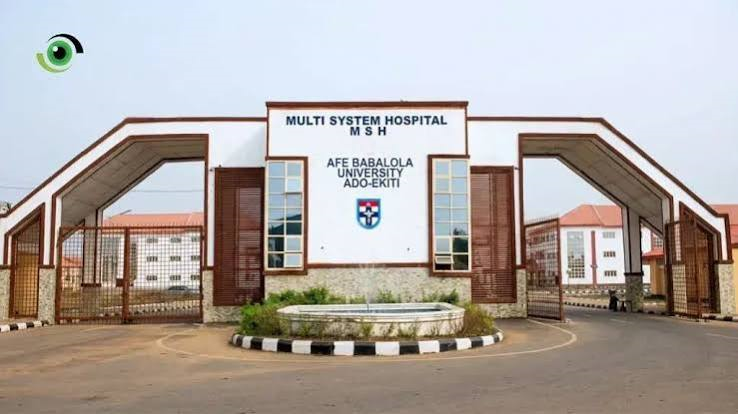
Babalola’s Farmer Support Hits N98m
Legal icon Aare Afe Babalola has disbursed N11.2 million to 81 outstanding farmers across Ekiti State's 16 local government areas, bringing total awards under his annual agricultural scheme since 2015 to N98 million.
 Agriculture
FG Launches African Swine Fever Control Campaign in Southwest
The Federal Government has launched a major African Swine Fever control and biosecurity campaign at the Oke-Aro Pig Farm Estate, distributing protective kits to farmers and pledging comprehensive training to prevent future outbreaks. The intervention by the Livestock Productivity and Resilience Support Project (L-PRES) targets one of Nigeria's largest pig production clusters, which has suffered devastating losses from the highly contagious disease in the past.
 Agriculture
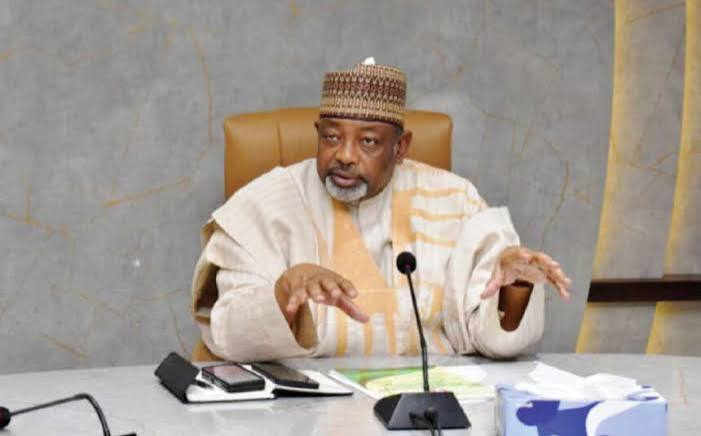
Kyari: More Farmland Won’t Feed 400 Million Nigerians
Agriculture Minister Abubakar Kyari says Nigeria must treat agricultural extension as critical infrastructure, disclosing that over 100,000 farmers already receive weekly digital advisories as the country's population heads toward 400 million by 2050.
 Agriculture
Farmland Expansion Alone Won’t Feed Nigeria
Agriculture Minister Abubakar Kyari says Nigeria must shift to demand-driven, AI-enabled agricultural extension services to boost farm yields, warning that expanding farmland alone can no longer feed the country's growing population.
Comments (0)
Leave a comment
All comments are moderated before publishing. Your email is never published.