
Kaduna Approves ₦300m Earned Allowance for KASU Lecturers, Sets Up Committee to Avert Strike
Kaduna State Governor Uba Sani has approved a one-off ₦300 million Earned Academic Allowance for KASU lecturers and constituted a nine-member committee to negotiate with ASUU and other staff unions.
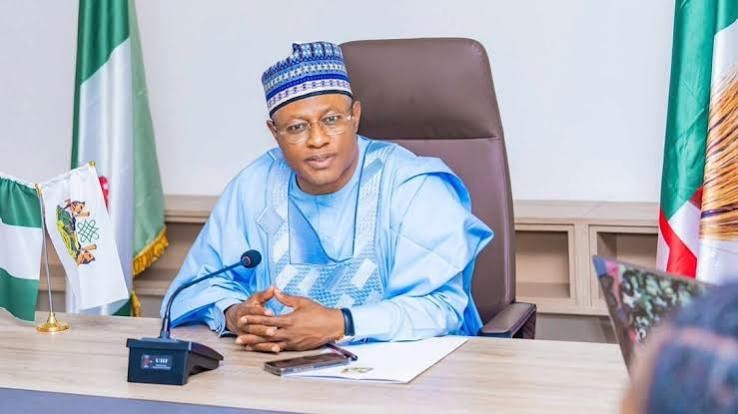
The Kaduna State Government has approved a one-off payment of ₦300 million as Earned Academic Allowance for Kaduna State University lecturers and constituted a nine-member negotiation committee to engage the Academic Staff Union of Universities and other staff unions, in what appears to be a last-minute effort to avert a fresh industrial crisis at the university.
The intervention was announced in a statement issued by the Secretary to the State Government, Dr. AbdulKadir Mu’azu Meyere, who said Governor Uba Sani had approved the allowance payment and also authorised the creation of a committee to “comprehensively engage and review” the demands of the Kaduna State University chapter of ASUU and other unions within the institution. The state government said the twin measures were intended to preserve industrial harmony, protect academic stability, and keep dialogue open at a time of rising tension within the university system.
According to the statement, the ₦300 million payment is a one-off intervention targeted at the university’s academic staff under the Earned Academic Allowance (EAA) framework. Meyere said the step builds on what the government described as sustained efforts by the Sani administration to address a backlog of more than ₦800 million in entitlements and allowances dating back to 2016. The government argued that the payment is not an isolated gesture but part of a broader attempt to gradually clear liabilities inherited over several years.
The newly established nine-member negotiation committee is expected to serve as the main channel for resolving the dispute. Available details show that the committee will be chaired by the Commissioner for Education, Professor Abubakar Sani Sambo, and is mandated to engage ASUU-KASU and other staff unions on their outstanding demands. Reports on the committee’s terms of reference indicate that it will review the issues raised by the unions, examine the Consolidated Academic Tools Allowance (CATA) question, compare KASU’s conditions with practices in other state-owned universities, and assess the financial implications of implementing demands linked to the 2025 ASUU–Federal Government agreement.
The government’s move comes against the background of a fresh wave of discontent at KASU. In recent days, the university’s ASUU branch had raised alarm over what it described as poor conditions of service and the failure to implement aspects of the 2025 agreement affecting lecturers’ welfare. The union said the situation had become serious enough to justify a strike threat, with reports indicating that the branch issued a two-week ultimatum to the university authorities and, by implication, the state government. ASUU-KASU also claimed that more than 200 lecturers, including professors and associate professors, had left the institution, though the government has disputed the scale of that figure.
The Kaduna State Government has, however, insisted that it has not been idle. In an earlier defence of its record, the state said the current administration had already spent over ₦896 million on KASU staff welfare and settled a number of outstanding personnel liabilities, including withheld salaries and hazard allowance arrears. It also said more than ₦300 million had been invested in accreditation and resource verification exercises, leading to the accreditation of over 57 academic programmes, the verification of 60 postgraduate programmes, and full accreditation for seven professional programmes.
Beyond the new one-off allowance payment, the government also pointed to a ₦50 million monthly standing order previously approved to support the systematic settlement of outstanding arrears and welfare-related liabilities at the university. That measure had earlier been cited as one of the reasons the institution was able to calm industrial tensions during a previous dispute. By combining that monthly commitment with the newly approved ₦300 million EAA and the negotiation committee, the administration appears to be signalling that it wants a structured rather than confrontational path to resolution.
For students and parents, the development will be received with relief, at least for now. KASU has in recent years been affected by recurring industrial disputes that disrupted the academic calendar and created uncertainty about lectures, examinations, and graduation timelines. Education observers say the success of the latest intervention will depend not just on the immediate payment of the allowance, but on whether the negotiation committee can quickly produce credible, enforceable outcomes on the wider welfare and structural issues raised by the unions.
The broader significance of the Kaduna government’s action lies in what it says about university funding pressures in Nigeria’s sub-national institutions. While federal universities often dominate national conversations about ASUU disputes, state-owned universities face many of the same problems: salary backlogs, unresolved allowances, understaffing, weak infrastructure, and the challenge of implementing nationally negotiated agreements within constrained state budgets. In KASU’s case, the government is trying to position dialogue and phased payments as the practical way forward. Whether the unions accept that framing may determine if Kaduna escapes another disruptive strike.
Sponsored

Related stories
 Tech & Education
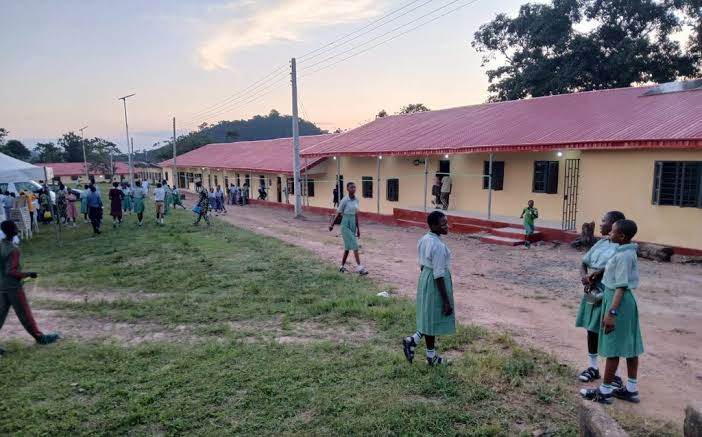
Bamidele Unveils N200m Renovated Science College
Senate Leader Opeyemi Bamidele has commissioned the renovated Government Science College, Iyin-Ekiti, personally funded at over N200 million, donating buses to the school and nearby FUTESI while promising a second phase of upgrades.
 Tech & Education
Abia Students Crowned Global Debate Champions
Students from public schools in Abia State, representing Nigeria, have emerged overall champions at the 2026 International Schools Debate Championship in Doha, Qatar, winning four major trophies and 12 laurels after defeating teams from Jordan, India, Qatar, the Philippines, Kenya and others. The historic victory has been hailed as proof that Governor Alex Otti's education reforms are producing world-class scholars.
 Tech & Education
WAEC Appoints Suleiman Kum as New Head of Nigeria National Office
The West African Examinations Council has appointed 56-year-old Suleiman Danlami Kum as the new Head of the Nigeria National Office, succeeding Dr Amos Josiah Dangut, who has assumed office as the council’s Registrar and Chief Executive Officer. A seasoned test developer, administrator and executive with 28 years of service, Kum is expected to drive technological innovation and examination security across Nigeria’s foremost examinations body.
 Tech & Education
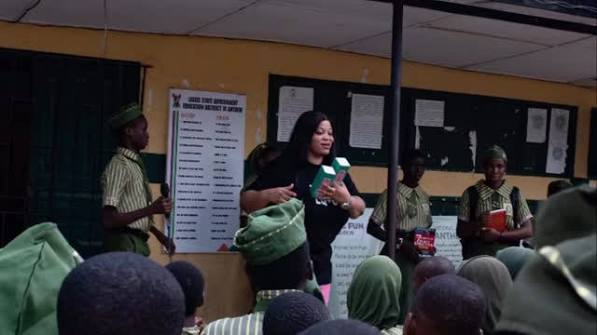
Emmanuel College ’88 Set Renovates Classrooms, Pays Exam Fees
The Progressives of the Unique 1988 Set of Emmanuel College Owerri have unveiled a renovated five-classroom block and paid NECO and WAEC fees for financially disadvantaged students at their alma mater.
Comments (0)
Leave a comment
All comments are moderated before publishing. Your email is never published.