
Jigawa Eye Health Project to Reach 3.9m Residents, But Specialist Shortage Threatens Gains — Experts
Stakeholders warn that a shortage of specialists and other gaps could erode progress made under a German-funded eye health project set to benefit 3.9 million Jigawa residents, as media practitioners are enlisted to boost public awareness.
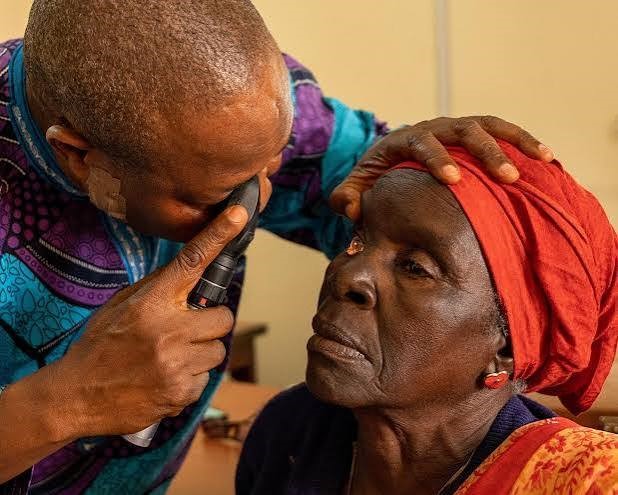
Health experts and stakeholders in Jigawa State have raised concern over persistent gaps in paediatric and specialist eye care, warning that unless urgently addressed, these challenges could undermine the remarkable progress recorded under a German-funded eye health initiative expected to benefit millions of residents across the state.
The concerns were raised during a media dialogue on the Comprehensive and Inclusive Eye Health Project, commonly referred to as the BMZ Project, organised by the Jigawa State Government in collaboration with HANDS Nigeria in Dutse. The programme is funded by the German Federal Ministry of Economic Cooperation and Development (BMZ) through the Christoffel Blindenmission (CBM), and is designed to provide comprehensive and inclusive eye care services to more than 53,920 direct beneficiaries, including persons with disabilities, while approximately 3.9 million residents across the state are expected to benefit indirectly.
Journalists who attended the dialogue were specifically urged to intensify public enlightenment efforts around childhood eye diseases, stressing the importance of early diagnosis and prompt treatment in preventing avoidable blindness among children. Stakeholders at the event cautioned that gains recorded so far in expanding access to quality and inclusive eye care services, particularly for children, could be eroded if the identified gaps are not addressed with urgency.
Speaking at the dialogue, Chairman of the Jigawa State Eye Health Committee, Dr Usman Abdullahi Hadejia, represented by a designated official, painted a picture of a health system still grappling with a severe shortage of specialist personnel. According to earlier disclosures from the committee, only a handful of ophthalmologists currently serve the state's population of more than eight million people, a ratio that falls well short of World Health Organisation recommendations, which call for at least four ophthalmologists and ten optometrists for every one million people. The committee also previously flagged the complete absence of a dedicated glaucoma specialist in the state, despite glaucoma being one of the leading causes of preventable blindness.
Despite these persistent workforce gaps, stakeholders highlighted the scale of outreach already achieved under the project. According to figures shared at the dialogue, the initiative has conducted mobilisation campaigns across 179 communities in Jigawa State, engaged 42 organisations representing persons with disabilities, sensitised 78 private health facilities, and trained 60 media practitioners to help strengthen ongoing eye health advocacy across the state.
Stakeholders also commended the Jigawa State Government for demonstrating strong commitment to sustaining the programme's momentum through direct financial support. These commitments include subsidising the cost of cataract surgery to as low as ₦18,500, providing ₦30,000 in treatment support for 300 children requiring specialised eye care, funding 1,000 cataract surgeries annually, and continuing to invest in modern ophthalmic equipment as well as specialist training for eye health personnel within the state.
In a significant boost to the programme's long-term sustainability, stakeholders announced that the German Government has approved a 13-month extension of the project, running from April 2026 through May 2027. Officials said the extension is intended to consolidate the gains already achieved in expanding inclusive eye care services across Jigawa State, giving implementers additional time to address the specialist shortages and other structural challenges identified during the media dialogue.
The Jigawa initiative reflects a broader national push to address Nigeria's eye care crisis, where only about 4.4 per cent of the population currently has access to eye care services, even as more than 4.25 million Nigerians live with blindness or visual impairment, conditions largely linked to preventable or treatable causes such as cataracts, glaucoma, and uncorrected refractive errors. The Federal Government has separately moved to address these gaps nationally through the Jigi-Bola 2.0 mobile eye care programme and the Renewed Hope Health Connect initiative, which together aim to deliver at least five million free pairs of spectacles and 25,000 free cataract surgeries nationwide by the end of 2027.
For Jigawa specifically, stakeholders at the dialogue stressed that continued state government investment, combined with the newly extended German funding support and an increasingly engaged media corps, would be critical to closing the specialist gap and ensuring that the project's ambitious targets translate into lasting improvements in eye health outcomes for millions of residents across the state.
Sponsored
Related stories
 Health
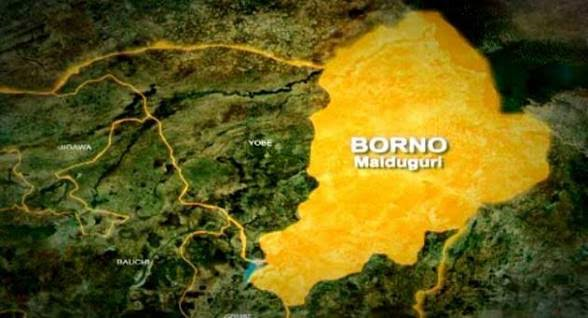
Borno Hires 2,000 Health Workers, Still Faces Staff Shortage
Borno State has recruited nearly 2,000 doctors, nurses and other health professionals in two years, but the head of its contributory health agency says manpower gaps persist as demand grows under the state health insurance scheme.
 Health
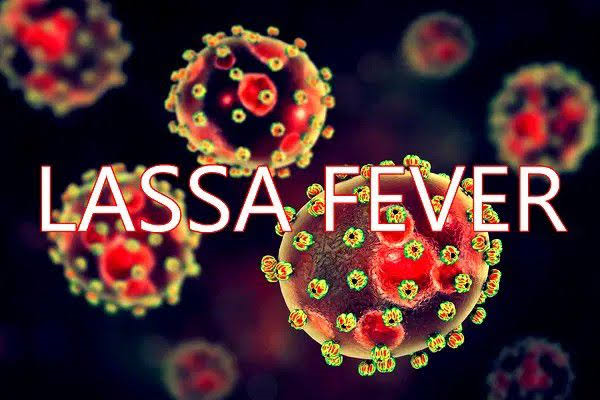
Lassa Fever Kills 268 in Nigeria as Cases Hit 1,138
Nigeria has recorded 1,138 confirmed Lassa fever cases and 268 deaths across 24 states in 2026, with the case fatality rate rising to 23.6 per cent—significantly higher than the 18.6 per cent recorded during the same period in 2025. The NCDC has identified five states accounting for 88 per cent of all confirmed cases, as it intensifies preparedness efforts ahead of the peak transmission season.
 Health
MSF Calls for Routine Noma Surveillance in Nigeria
Doctors Without Borders says noma, a fast-moving and often fatal facial infection linked to malnutrition and poverty, remains largely missing from Nigeria's routine child health programmes despite its 2023 recognition as a neglected tropical disease.
 Health
Oyo Rejects Diphtheria Outbreak Claims, Accuses APC
The Oyo State Government has dismissed claims by the Senator Sharafadeen Alli Campaign Organisation that diphtheria has affected 16 local government areas, describing the allegation as false and politically motivated. Commissioner for Health Dr. Oluwaserimi Ajetunmobi confirmed that while suspected cases have been recorded in 10 LGAs, none have been confirmed, and accused the APC campaign group of distorting immunisation data to score political points.
Comments (0)
Leave a comment
All comments are moderated before publishing. Your email is never published.