
Ireland Unveils Updated Visa Guidelines for International Students
Ireland has announced that international students staying over 90 days must apply for a long-term study visa from their home country, with strict documentation requirements including admission letters, financial proof, insurance, and academic records.

International students intending to pursue academic courses in Ireland lasting longer than three months must secure a long-term study visa prior to their departure, according to a recent directive from Ireland’s Immigration Service Delivery (ISD).
The immigration authority clarified that non-European Economic Area (non-EEA) citizens planning to enroll in educational programmes exceeding 90 days are required to lodge their visa applications from their native country or a territory where they hold legal residency.
According to the guidelines, candidates can submit their applications up to three months ahead of their targeted departure date. The initial stage of the process involves completing a digital questionnaire via Ireland's Automated Visa Application and Tracking System (AVATS).
"Applicants are subsequently required to print, sign, and date the application summary document, settle the mandatory visa processing fee where applicable, and tender all necessary supporting documentation," the ISD noted.
The bundle of required records features a valid international passport, passport-grade photographs, proof of comprehensive private medical insurance, a formal application letter, and an official letter of acceptance from an accredited Irish educational provider.
Furthermore, prospective students must provide verifiable receipts of tuition fee payments, documentation of their academic credentials, proof of English language competence where required, and financial statements demonstrating they possess sufficient independent funds to cover their living costs throughout their stay.
The regulatory body emphasised that all applicants are legally bound to declare any previous visa rejections across all jurisdictions. Additionally, students under the age of 18 face supplementary requirements, including formalized parental consent and pre-arranged accommodation frameworks.
Immigration officials warned that deficient or poorly collated applications risk outright refusal, while presenting fraudulent or deceptive documentation could lead to a visa denial alongside a strict five-year ban from entering Ireland.
Applications are reviewed chronologically in the order they arrive, and vetting officers retain the right to demand supplementary data before delivering a final verdict. Consequently, international students have been strongly advised to hold off on making definitive travel arrangements or purchasing flights until their visa has been formally approved.
Related stories
 Tech & Education
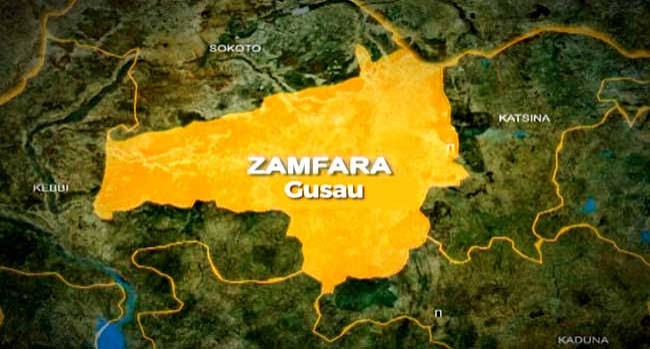
Zamfara Warns 250 Trained Teachers Against Negligence, Vows Strict Classroom Monitoring
Zamfara State has warned teachers who completed a two-week Global Standard Teacher Transformation Programme that negligence will attract disciplinary action, as the government intensifies monitoring under Gov. Dauda Lawal's education emergency declaration.
 Tech & Education
Adeleke University Commissions 200kWp Solar System to Ensure Reliable Power Supply
Adeleke University has inaugurated a 200-kilowatt peak solar power system to guarantee uninterrupted electricity supply and reduce dependence on the national grid and diesel generators.
 Tech & Education
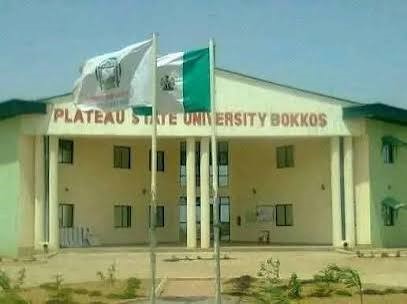
ASUU-PLASU Declares Indefinite Strike Over Six Unresolved Demands, Shuts Down Plateau Varsity
ASUU's Plateau State University chapter has begun an indefinite strike after a 14-day ultimatum expired, citing unresolved demands including pension scheme commencement, unpaid wage award arrears, and alleged intimidation of union leaders.
 Tech & Education
WAEC Result Crisis Worsens as Official Alleges Irregularities, Glitches
The crisis over WAEC’s 2026 school-candidate results has deepened after a senior WAEC official, Olanrewaju Fadehan, alleged glitches and irregularities in the computer-based examination, claiming affected candidates were disadvantaged in Mathematics, English and Igbo.
Comments (0)
Leave a comment
All comments are moderated before publishing. Your email is never published.