
INEC Postpones Release of Access Codes to Political Parties
The Independent National Electoral Commission (INEC) has postponed the release of access codes to political parties, citing operational and technical considerations.
The Independent National Electoral Commission (INEC) has announced the postponement of the planned release of access codes to political parties in the country, in a development that has stirred reactions across the political landscape.
The commission, in a statement, attributed the postponement to operational and technical considerations, stressing that the decision was taken in the overall interest of the country's electoral process and to ensure smooth implementation of the access codes when eventually released.
According to INEC, the release of access codes is a critical aspect of its preparations for various electoral activities, including the conduct of party primaries, the submission of candidates' details, and the verification of party affiliations ahead of upcoming elections.
The commission explained that access codes are used by political parties to log in to its dedicated digital platforms, including the Nomination of Candidates Portal and other systems that facilitate party-related electoral activities.
INEC noted that the temporary postponement of the release of the access codes does not in any way affect its overall preparations for the 2027 general elections or any other upcoming electoral exercise.
The commission assured political parties, electoral stakeholders, and the general public that the release of the access codes would be rescheduled in due course, with a new date to be communicated through its official channels.
INEC further called on political parties to remain patient and continue their internal preparations for various electoral activities, including party congresses, primaries, and the selection of candidates, in line with the provisions of the Electoral Act and the commission's guidelines.
The commission emphasised that it remains fully committed to delivering free, fair, transparent, and credible elections, and that all preparatory activities are being carried out with the highest level of diligence and integrity.
INEC also called on political parties to ensure full compliance with the requirements for nominating candidates, including adherence to the timelines, documentation, and procedures stipulated in the relevant laws and guidelines.
The commission warned that any attempt to bypass its established processes or manipulate the electoral system would not be tolerated, stressing that all political parties and aspirants must operate within the framework of the Electoral Act and the commission's regulations.
The postponement comes amid intense political activities across the country, with political parties actively preparing for the 2027 general elections, including the conduct of primaries to select candidates for various elective offices.
Several political parties, including the All Progressives Congress (APC), Peoples Democratic Party (PDP), Labour Party (LP), African Democratic Congress (ADC), Nigeria Democratic Congress (NDC), and others, have been engaged in various pre-election activities, including consultations, alliances, and internal mobilisations.
The development is also being viewed against the backdrop of recent court rulings, defections, and political realignments that have continued to shape the build-up to the 2027 polls.
Stakeholders have urged INEC to address all operational and technical issues promptly, stressing that the credibility of the electoral process depends on the commission's ability to manage its activities efficiently and in a timely manner.
Civil society organisations, election observers, and political analysts have also called for greater transparency in INEC's processes, urging the commission to keep the public adequately informed about any changes or postponements that could affect the electoral timeline.
INEC has, in recent times, been engaged in various reforms aimed at strengthening the credibility of the electoral process, including the deployment of technology, improvements in voter registration, the introduction of biometric verification systems, and the use of electronic transmission of election results.
The commission has assured Nigerians that all the lessons learned from previous elections, including the 2023 general elections, are being incorporated into its preparations for the 2027 polls and other upcoming electoral activities.
INEC also acknowledged the importance of timely communication with political parties and other stakeholders, stressing that effective communication remains central to building public trust and confidence in the country's electoral system.
The commission reiterated its commitment to engaging with political parties, civil society organisations, the media, and other stakeholders throughout the electoral cycle, in line with the principles of inclusiveness, transparency, and accountability.
It encouraged political parties to use the additional time provided by the postponement to strengthen their internal processes, address any compliance issues, and prepare adequately for the eventual release of the access codes.
The development comes as the country gradually moves into the build-up phase of the 2027 general elections, with stakeholders watching closely how INEC manages its preparations, including the release of guidelines, timetables, and operational tools.
The commission's ability to maintain credibility, transparency, and public trust will be crucial in shaping the perception and outcome of the upcoming elections, particularly given the heightened political tensions surrounding the 2027 contest.
Sponsored

Related stories
 Politics
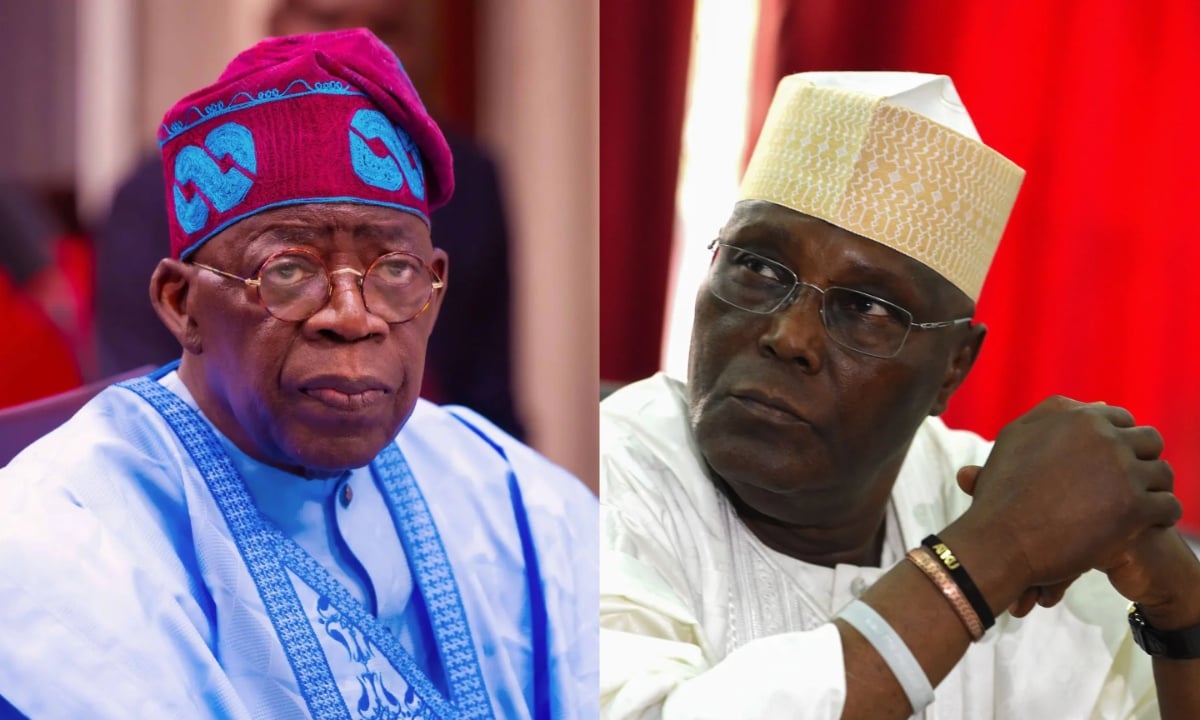
Fuel Discount: Atiku Accuses Tinubu of Turning NNPCL Into Campaign Money Cashier
Atiku has accused Tinubu’s administration of using NNPCL’s petrol discount for political advantage ahead of the 2027 general election.
 Politics
2027: NDC to Inaugurate Presidential Council October 20
The Nigeria Democratic Congress will inaugurate its Presidential Campaign Council on October 20 as it intensifies preparations for the 2027 general elections.
 Politics
2027: Wike Threatens to Block Amaechi’s Campaign in Rivers Over Tinubu Insults
Wike warned Amaechi could face campaign difficulties in Rivers if he continues attacking Tinubu’s supporters.
 Politics
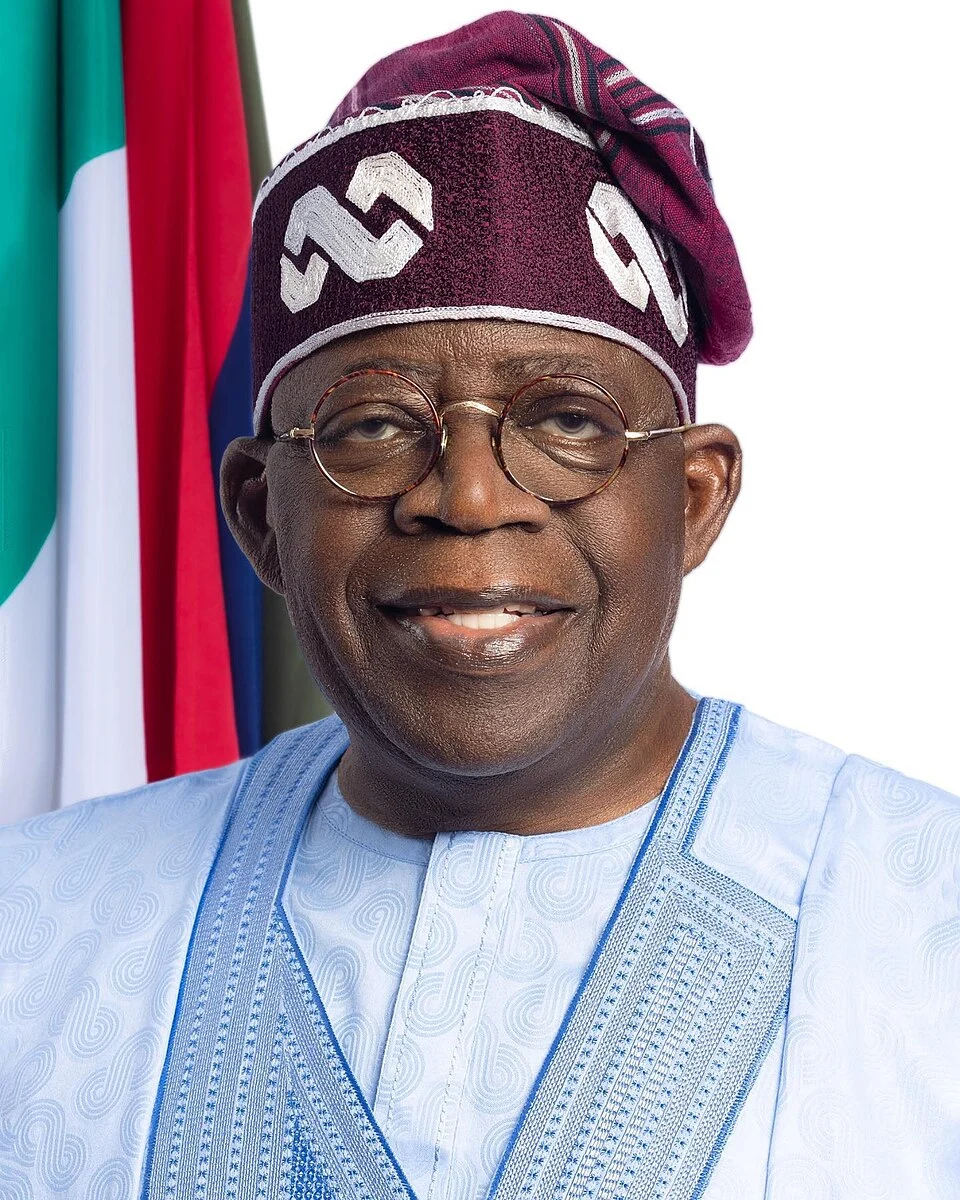
2027: Tinubu Kicks Off Campaign in Kaduna October 24
Yari says Tinubu will officially launch his 2027 re-election campaign in Kaduna on October 24.
Comments (0)
Leave a comment
All comments are moderated before publishing. Your email is never published.