
High Global Grain Costs Put Pressure on Sub-Saharan Livestock Feed Sector
High Global Grain Costs Put Pressure on Sub-Saharan Livestock Feed Sector

Rising global commodity prices continue to apply significant financial pressure on Africa’s livestock and aquaculture sectors, as fluctuating grain markets drive up the cost of commercial animal feed.
A confluence of international market factors,chiefly sustained global demand for soybeans and lingering supply constraints in primary nitrogen-based fertilizer markets,has kept production costs high for commercial feed mills across West Africa. Because yellow maize and soybean meal constitute the primary energetic and protein components of commercial livestock diets, price fluctuations in these commodities report a near-instantaneous impact on farm gates.
Faced with shrinking profit margins, an increasing number of commercial livestock producers are adjusting their operations. Agricultural extension reports indicate a growing pivot toward alternative feed formulations, with some operations attempting to incorporate locally sourced agro-industrial by-products like cassava peel meal and brewery waste to reduce their dependence on expensive imported grain.
Industry analysts warn that if structural grain costs do not ease by the third quarter of the year, consumers should anticipate a corresponding increase in the retail price of poultry, eggs, and farmed fish across urban markets.
Sponsored

Related stories
 Agriculture
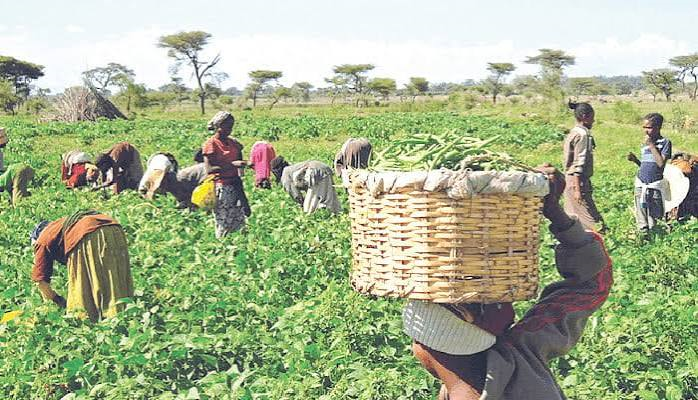
Poor Harvest May Worsen Nigeria's Food Crisis, AFAN Warns
The All Farmers Association of Nigeria has warned that poor harvests caused by devastating floods, insecurity and farmer displacement could plunge the country into a severe food crisis, with millions facing famine-like conditions in early 2027. AFAN President Kabir Ibrahim says the situation could mirror the 2024 hardship protests unless urgent interventions are made to support farmers and stabilise food production.
 Agriculture
Abakaliki Rice Mill: Ebonyi’s N171bn Neglected Goldmine
Nigeria's largest rice mill, operating since 1967, processes 132,000 tonnes of rice annually—worth over N171 billion—yet operates without power, safe working conditions, or good roads. As the state's entire IGR sits at just N17.18 billion, analysts ask how a facility generating ten times that amount has been allowed to decay into a "prostrate goldmine."
 Agriculture
Seaweed Could Transform Nigeria’s Agricultural Energy Sector
SMEFUNDS CEO Dr. Femi Oye advocates for seaweed as a renewable energy source to power Nigeria’s food production, offering a circular solution for farmers and small businesses.
 Agriculture
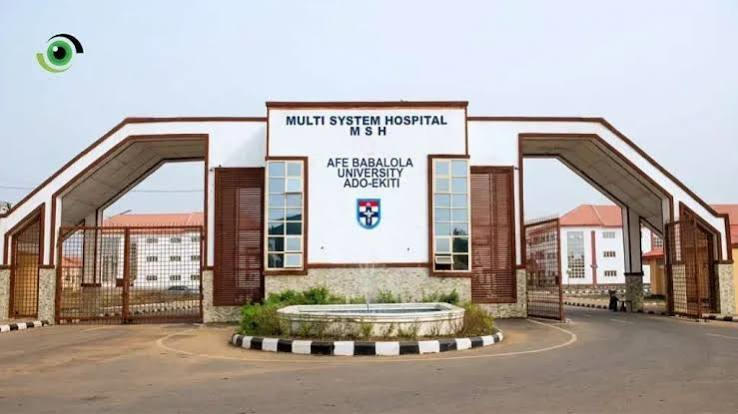
Babalola’s Farmer Support Hits N98m
Legal icon Aare Afe Babalola has disbursed N11.2 million to 81 outstanding farmers across Ekiti State's 16 local government areas, bringing total awards under his annual agricultural scheme since 2015 to N98 million.
Comments (0)
Leave a comment
All comments are moderated before publishing. Your email is never published.