
Federal Government Targets Kebbi Dry Season Yields to Stabilize Food Reserves
Federal Government Targets Kebbi Dry Season Yields to Stabilize Food Reserves

The Federal Government has intensified its focus on Kebbi State’s dry-season rice production corridors, identifying the region's current harvest cycle as a critical anchor for stabilizing national strategic grain reserves.
With food price inflation remaining a primary macroeconomic concern, federal agricultural authorities are monitoring the output from Kebbi's irrigated plains. Smallholder farmers in the state have utilized dedicated dry-season water management systems to sustain cultivation outside the traditional rain-fed windows, mitigating the supply deficits that historically occur mid-year.
To maximize the yield potential of the remaining dry-season window, the Federal Ministry of Agriculture has urged neighboring northern states to rapidly scale up their extension services.
Policymakers are advocating for accelerated investments in localized solar-powered irrigation pumps and targeted fertilizer distribution frameworks. Agricultural analysts emphasize that expanding dry-season infrastructure across the Chad Basin and Niger River floodplains will be vital to ensuring a consistent, year-round domestic supply of staple grains.
Sponsored

Related stories
 Agriculture
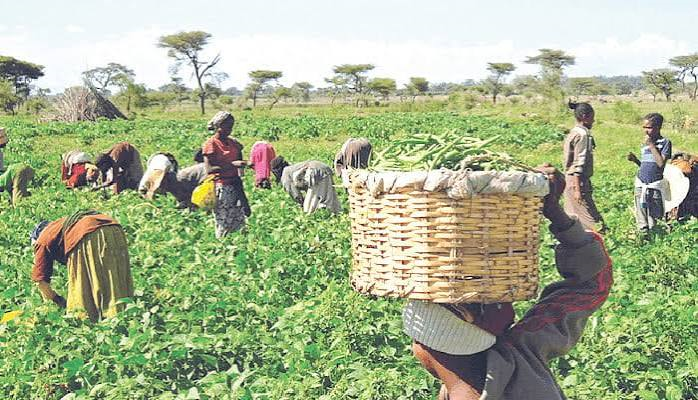
Poor Harvest May Worsen Nigeria's Food Crisis, AFAN Warns
The All Farmers Association of Nigeria has warned that poor harvests caused by devastating floods, insecurity and farmer displacement could plunge the country into a severe food crisis, with millions facing famine-like conditions in early 2027. AFAN President Kabir Ibrahim says the situation could mirror the 2024 hardship protests unless urgent interventions are made to support farmers and stabilise food production.
 Agriculture
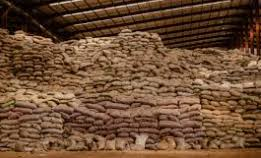
Abakaliki Rice Mill: Ebonyi’s N171bn Neglected Goldmine
Nigeria's largest rice mill, operating since 1967, processes 132,000 tonnes of rice annually—worth over N171 billion—yet operates without power, safe working conditions, or good roads. As the state's entire IGR sits at just N17.18 billion, analysts ask how a facility generating ten times that amount has been allowed to decay into a "prostrate goldmine."
 Agriculture
Seaweed Could Transform Nigeria’s Agricultural Energy Sector
SMEFUNDS CEO Dr. Femi Oye advocates for seaweed as a renewable energy source to power Nigeria’s food production, offering a circular solution for farmers and small businesses.
 Agriculture
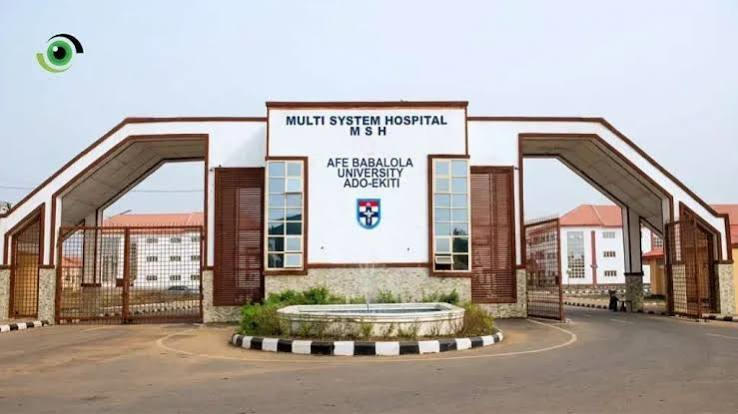
Babalola’s Farmer Support Hits N98m
Legal icon Aare Afe Babalola has disbursed N11.2 million to 81 outstanding farmers across Ekiti State's 16 local government areas, bringing total awards under his annual agricultural scheme since 2015 to N98 million.
Comments (0)
Leave a comment
All comments are moderated before publishing. Your email is never published.