
WFP Warning: Erratic Weather Outlook Threatens Horn of Africa Agriculture
WFP Warning: Erratic Weather Outlook Threatens Horn of Africa Agriculture
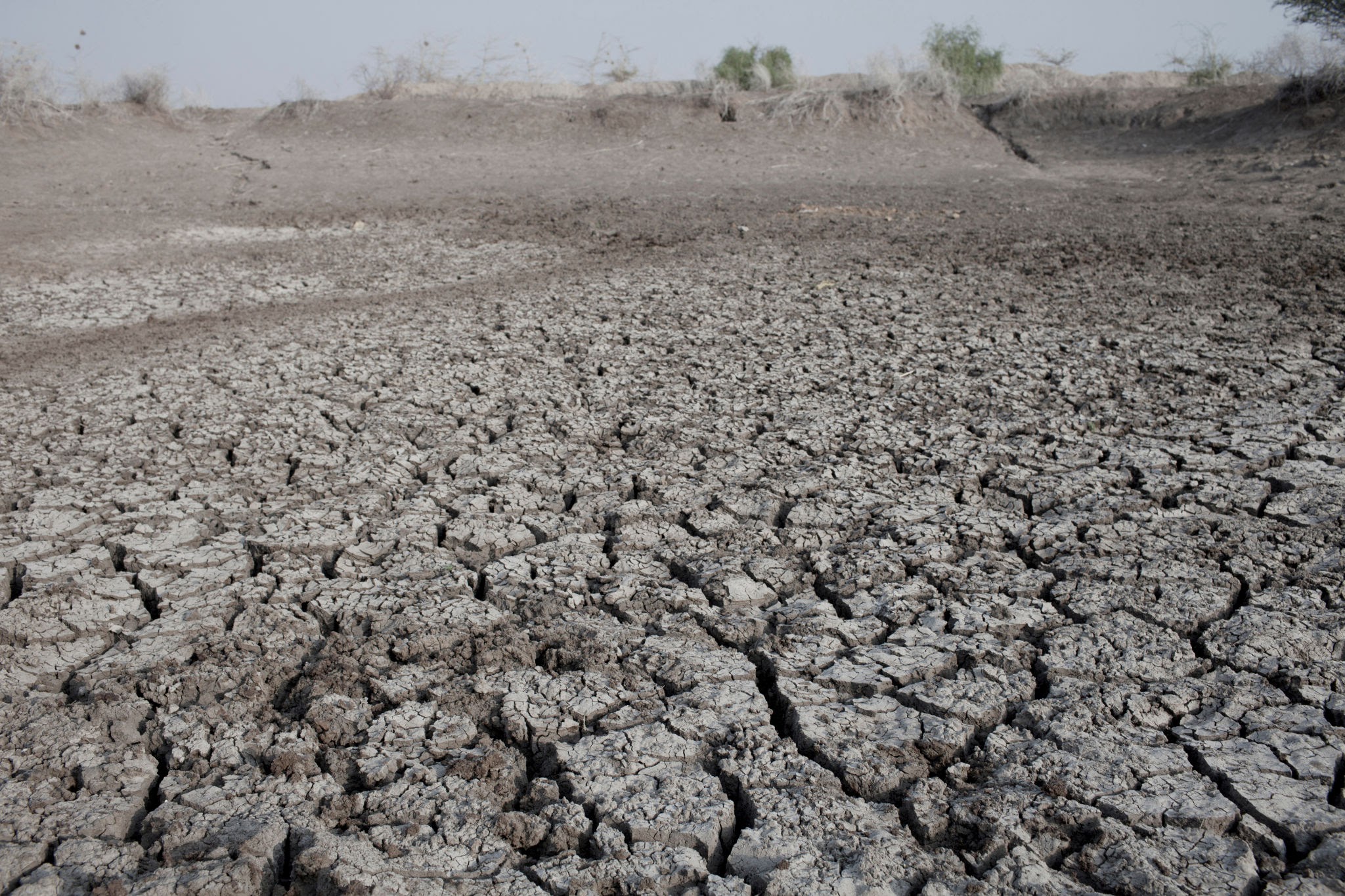
The World Food Programme (WFP) has issued a mixed outlook for Sub-Saharan African agricultural productivity in its latest Global Seasonal Report, warning that erratic rainfall patterns are threatening food security across several major regional corridors.
According to the meteorological data compiled by the UN agency, North Africa has experienced a welcome stabilization in reservoir levels following a recovery in seasonal moisture. However, the situation remains precarious further south. Significant moisture deficits and prolonged dry spells are currently impacting the Horn of Africa, with parts of Sudan and South Sudan bearing the brunt of the erratic weather shifts.
The WFP’s agrometeorological analysts also noted a heightened risk regarding long-term climate cycles. Early diagnostic models suggest a building probability for the return of El Niño conditions as the region approaches the 2026–2027 agricultural calendar.
If these models hold true, rain-fed agricultural systems across Southern and Eastern Africa could face severe water stress, prompting regional bodies to call for an immediate upgrade in drought-tolerant seed distribution and regional grain-sharing agreements.
Sponsored

Related stories
 Agriculture
FG Supports 4,000 Flood-Affected Ogun Farmers Through NADF
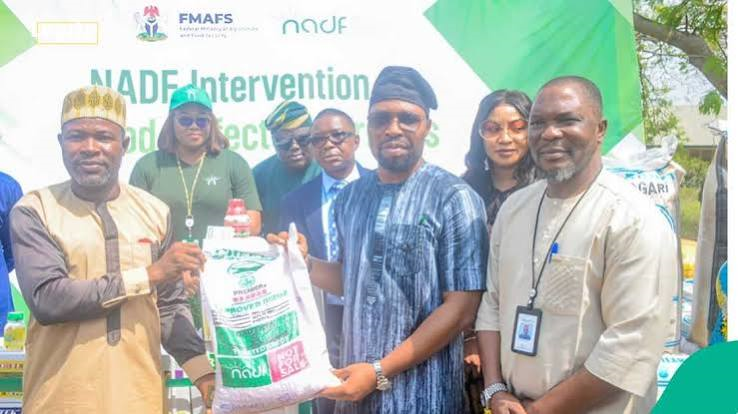
The Federal Government, through the National Agricultural Development Fund (NADF), has launched an emergency agricultural intervention for 4,000 smallholder farmers devastated by the 2026 rainy season floods in Ogun State. With 2,800 maize farmers and 1,200 rice farmers receiving fertilisers, herbicides, and pesticides, the programme is designed to prevent a short-term disaster from becoming a long-term food security crisis, and it comes with a blunt warning: without timely intervention, a disas
 Agriculture
Tinubu Unveils ₦450bn Agricultural Plan Targeting 500,000 Farmers
President Bola Tinubu has committed ₦450 billion to agriculture in a sweeping intervention targeting 500,000 farmers across Nigeria—part of a broader ₦4.7 trillion food security package aimed at tackling hunger, stabilising prices, and weaning the country off food imports. But with food inflation still biting and implementation gaps plaguing past programmes, the question is whether this is the turning point Nigerian farmers have waited for—or another well-funded announcement destined for the she
 Agriculture
Abiodun Deploys 39 Tractors to Boost Mechanised Farming in Ogun
Farmers across Ogun State’s settlements have praised Governor Dapo Abiodun after the government distributed 39 tractors and a suite of modern implements,ploughs, harrows, trailers, grain planters, boom sprayers, cassava planters, and harvesters,at the Cultural Centre, Kuto, Abeokuta. The intervention, part of the World Bank-backed OGSTEP and SAPZ programmes, is designed to end the tyranny of manual labour, accelerate planting after rainfall, and crash food prices. But farmers are already asking
 Agriculture
China’s Smart Farming Revolution Offers Lessons for Nigeria
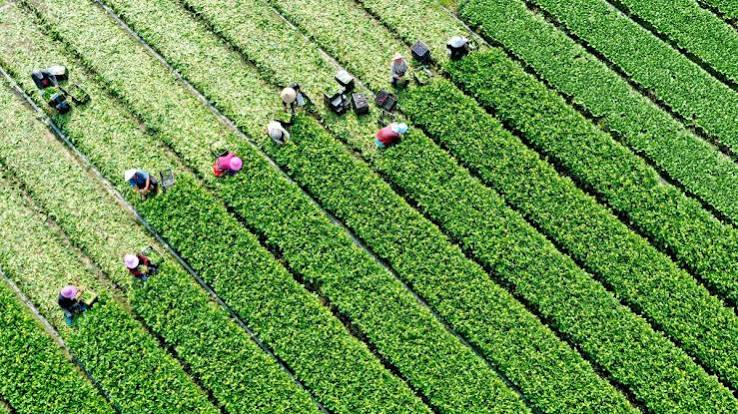
While China’s high-speed trains and skyscrapers dominate headlines, a quieter revolution is unfolding in its fields—one that Nigeria cannot afford to ignore. A visit to Yangling, Shaanxi Province, reveals a farming future built on data-driven greenhouses, spraying drones, and seed research, offering a stark contrast to Nigeria’s vast but underperforming agricultural sector. The lessons are practical, urgent, and within reach—if only the political will exists to act on them.
Comments (0)
Leave a comment
All comments are moderated before publishing. Your email is never published.