
Cross River Flags Off 2026 Wet Season Farming with High-Yield Input Distribution
Cross River Flags Off 2026 Wet Season Farming with High-Yield Input Distribution

The Cross River State Government has officially commenced its 2026 wet season farming cycle, unveiling an aggressive input distribution strategy aimed at tackling high production costs for local smallholders.
Speaking at the flag-off ceremony in Calabar, Governor Bassey Otu announced the immediate distribution of disease-resistant, high-yield seed yams to farmers across all 18 Local Government Areas (LGAs). The initiative seeks to alleviate the financial burden on farmers, as seedling procurement traditionally consumes between 25% to 60% of total yam production budgets in the region.
To ensure the sustainability of the program, the state has finalized a technical partnership with the International Institute of Tropical Agriculture (IITA). The collaboration focuses on introducing "minisett technology"—a specialized propagation method that allows small seed pieces to produce full-sized tubers, multiplying seed availability while reducing upfront costs.
State officials noted that the partnership is designed to transform Cross River into a leading commercial hub for high-quality yam seeds across the South-South geopolitical zone, enhancing regional food security as the wet season gathers momentum.
Sponsored

Related stories
 Agriculture
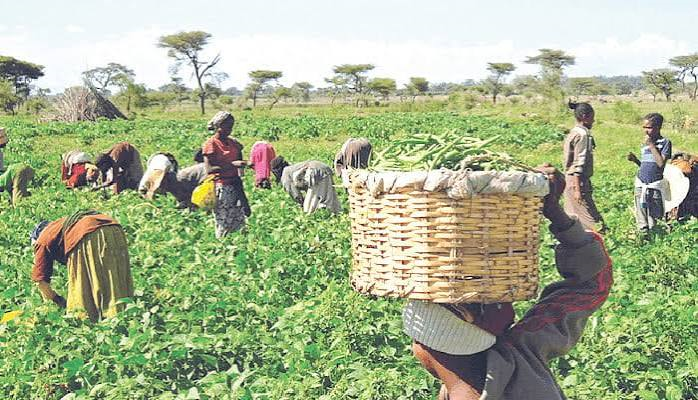
Poor Harvest May Worsen Nigeria's Food Crisis, AFAN Warns
The All Farmers Association of Nigeria has warned that poor harvests caused by devastating floods, insecurity and farmer displacement could plunge the country into a severe food crisis, with millions facing famine-like conditions in early 2027. AFAN President Kabir Ibrahim says the situation could mirror the 2024 hardship protests unless urgent interventions are made to support farmers and stabilise food production.
 Agriculture
Abakaliki Rice Mill: Ebonyi’s N171bn Neglected Goldmine
Nigeria's largest rice mill, operating since 1967, processes 132,000 tonnes of rice annually—worth over N171 billion—yet operates without power, safe working conditions, or good roads. As the state's entire IGR sits at just N17.18 billion, analysts ask how a facility generating ten times that amount has been allowed to decay into a "prostrate goldmine."
 Agriculture
Seaweed Could Transform Nigeria’s Agricultural Energy Sector
SMEFUNDS CEO Dr. Femi Oye advocates for seaweed as a renewable energy source to power Nigeria’s food production, offering a circular solution for farmers and small businesses.
 Agriculture
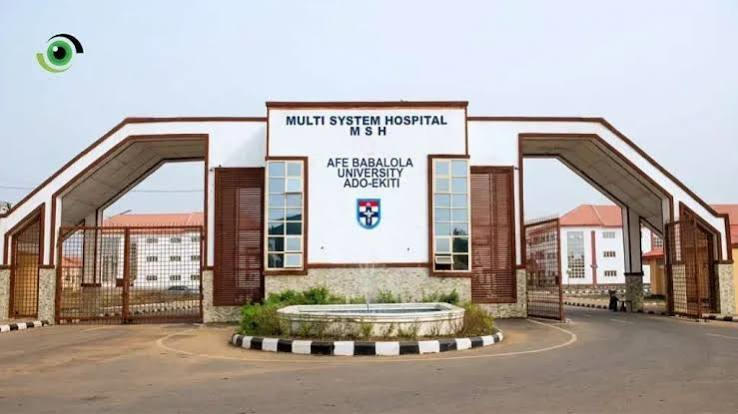
Babalola’s Farmer Support Hits N98m
Legal icon Aare Afe Babalola has disbursed N11.2 million to 81 outstanding farmers across Ekiti State's 16 local government areas, bringing total awards under his annual agricultural scheme since 2015 to N98 million.
Comments (0)
Leave a comment
All comments are moderated before publishing. Your email is never published.