
Gynaecologists Urge Pregnant Women to Complete Five-Dose Tetanus Vaccine Schedule
Maternal health experts say pregnant women should complete the full five-dose tetanus toxoid vaccination schedule, even after childbirth, to secure lifelong immunity for themselves and protection for their newborns.
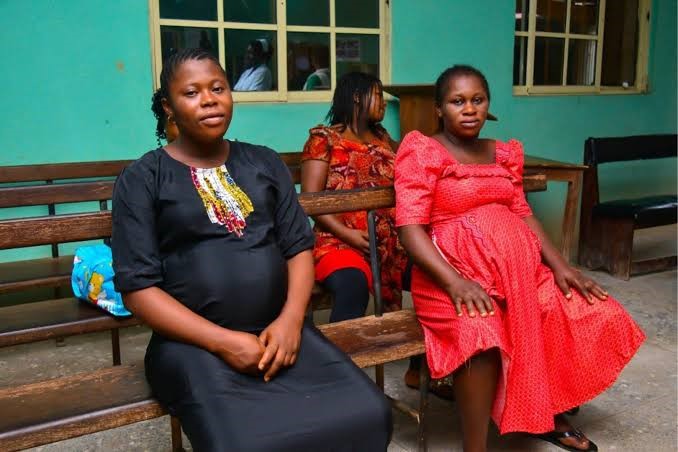
Maternal health experts have urged pregnant women to take and complete the five-dose tetanus toxoid (TT) vaccination schedule, even after childbirth, to secure lifelong immunity against a disease they describe as far easier to prevent than to treat.
The gynaecologists said TT vaccination is an essential part of antenatal care, protecting both mother and baby against the bacteria that cause tetanus. While maternal and neonatal tetanus cases have declined significantly over the years due to improved immunisation coverage, they stressed that the disease remains deadly and entirely preventable.
According to the experts, pregnant women face heightened risk of tetanus during childbirth, particularly those who deliver in unclean environments or where unsterilised instruments are used. They also moved to dispel common misconceptions surrounding the vaccine, stating there is no evidence linking tetanus toxoid to miscarriage, infertility, unusually large babies, or an increased likelihood of caesarean delivery.
The World Health Organisation notes that tetanus is caused by infection of a cut or wound with spores of the bacterium Clostridium tetani, with most cases surfacing within 14 days of infection. The disease is not transmitted from person to person and can be prevented entirely through vaccination.
The global health body has reported that most tetanus cases occur among newborns and mothers who were inadequately vaccinated, with over 7,700 newborn deaths from neonatal tetanus recorded in 2021 — an 84 per cent reduction since 2000, driven largely by expanded immunisation efforts. As of 2025, about 85 per cent of infants worldwide had received three doses of the diphtheria-tetanus-pertussis vaccine.
In Nigeria, the National Primary Health Care Development Agency has previously flagged tetanus and diphtheria as threats to pregnant women, stressing that immunisation remains critical to the safety of both mothers and babies. Health reporting has also linked vaccine hesitancy among pregnant women to a resurgence of tetanus infections in parts of the country, with some women's preference for traditional birth attendants contributing to inconsistent uptake of the mandatory vaccine.
A Consultant Obstetrician and Gynaecologist at the Federal Medical Centre, Abeokuta, Dr Olanrewaju Jimoh, said tetanus toxoid vaccination is one of the most important interventions available in pregnancy because it protects mother and child simultaneously. He noted that Nigeria has recorded a downward trend in both maternal and neonatal tetanus prevalence as immunisation coverage has improved, though the risk during delivery remains real for women who do not give birth in standardised healthcare settings.
Jimoh explained the five-dose schedule in detail: the first dose is given at the first antenatal contact, the second four weeks later, the third six months after that, the fourth a year after the third, and the fifth a year after the fourth. He warned that a common and risky pattern is for women to abandon the schedule after delivery, mistakenly believing the vaccine is no longer necessary once they are no longer pregnant, when in fact the first dose confers no immunity at all, and only by the fifth dose does a woman gain lifelong protection.
He advised that women who miss doses should not restart the schedule but continue from where they stopped, regardless of pregnancy status, and urged mothers to also ensure their newborns complete the full national childhood immunisation schedule for additional protection.
Addressing the myths around the vaccine, Jimoh explained that the false belief linking TT to miscarriage likely stems from the fact that early doses are typically given in the first trimester, when miscarriages are naturally most common, leading some to wrongly connect the two. He dismissed other misconceptions, including claims that the vaccine causes infertility or larger babies requiring caesarean delivery, describing them as medically unfounded.
In a related interview, Consultant Obstetrician and Gynaecologist Dr Babatunde Rosiji noted that neonatal tetanus carries a mortality rate approaching 100 per cent once contracted, underscoring why at least two doses are considered the minimum protective threshold, with five doses recommended to cover the child for life. He called for greater public awareness of the vaccine's dual protective role for both mother and newborn.
Sponsored

Related stories
 Health
Borno Hires 2,000 Health Workers, Still Faces Staff Shortage
Borno State has recruited nearly 2,000 doctors, nurses and other health professionals in two years, but the head of its contributory health agency says manpower gaps persist as demand grows under the state health insurance scheme.
 Health
Lassa Fever Kills 268 in Nigeria as Cases Hit 1,138
Nigeria has recorded 1,138 confirmed Lassa fever cases and 268 deaths across 24 states in 2026, with the case fatality rate rising to 23.6 per cent—significantly higher than the 18.6 per cent recorded during the same period in 2025. The NCDC has identified five states accounting for 88 per cent of all confirmed cases, as it intensifies preparedness efforts ahead of the peak transmission season.
 Health
MSF Calls for Routine Noma Surveillance in Nigeria
Doctors Without Borders says noma, a fast-moving and often fatal facial infection linked to malnutrition and poverty, remains largely missing from Nigeria's routine child health programmes despite its 2023 recognition as a neglected tropical disease.
 Health
Oyo Rejects Diphtheria Outbreak Claims, Accuses APC
The Oyo State Government has dismissed claims by the Senator Sharafadeen Alli Campaign Organisation that diphtheria has affected 16 local government areas, describing the allegation as false and politically motivated. Commissioner for Health Dr. Oluwaserimi Ajetunmobi confirmed that while suspected cases have been recorded in 10 LGAs, none have been confirmed, and accused the APC campaign group of distorting immunisation data to score political points.
Comments (0)
Leave a comment
All comments are moderated before publishing. Your email is never published.