
FG to Scrap JSS-SSS Separation Policy After 20 Million Pupils Drop Out
The Federal Government plans to abolish the separation of junior and senior secondary schools after revealing that over 20 million pupils dropped out before reaching senior secondary education.
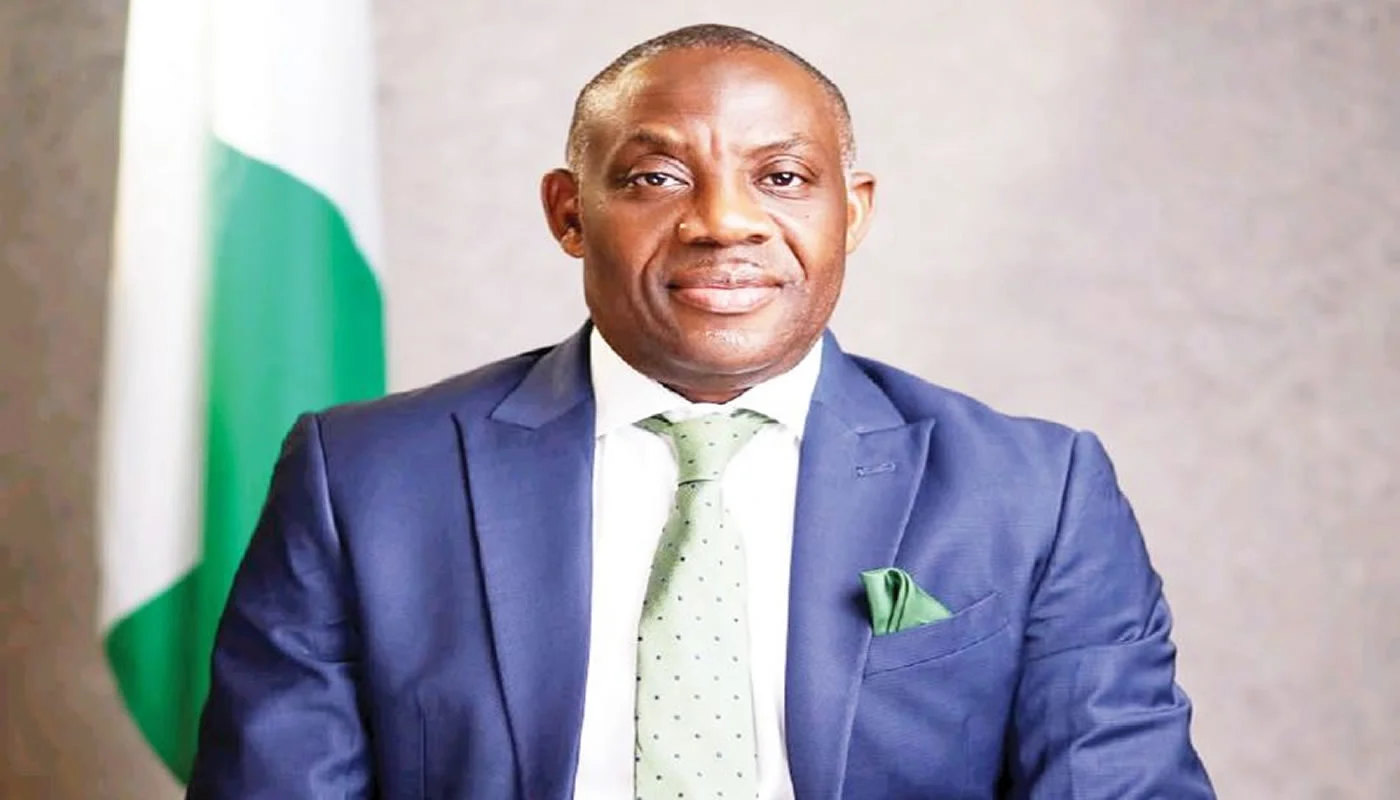
The Federal Government has announced plans to phase out the policy separating Junior Secondary Schools (JSS) from Senior Secondary Schools (SSS) following concerns that the arrangement has contributed to high school dropout rates.
Minister of Education, Dr. Tunji Alausa, disclosed the decision on Tuesday in Abuja during the inauguration of the Universal Basic Education Commission (UBEC) Ministerial Implementation and Monitoring Committee.
According to the minister, the existing “disarticulation policy,” which requires junior and senior secondary schools to operate separately with different principals and facilities, has failed to achieve its intended objectives.
Alausa revealed that government data showed more than 20 million pupils dropped out between primary school and junior secondary school, describing the situation as alarming.
“We have 20 million dropouts from primary school to JSS. Where are those students? We also found we have 80,000 public primary schools and only about 15,000 junior secondary schools. That’s a one-to-eight ratio,” he said.
He explained that the imbalance has resulted in overcrowded junior secondary schools while many senior secondary school facilities remain underutilised, particularly in Kaduna State and other parts of northern Nigeria.
The minister said the Federal Government would present a proposal to abolish the policy at the next meeting of the National Council on Education.
“This disarticulation policy has failed. We will phase it out. We can’t be creating positions because we want to create a director level for people while we harm our education system. It’s about doing what is best for every Nigerian child,” he stated.
Alausa noted that the policy change is intended to improve access to education, strengthen the transition from basic to senior secondary education and reduce dropout rates across the country.
He expressed confidence that the reforms would address longstanding challenges affecting the education sector.
During the event, the minister also inaugurated a committee chaired by Prof. Rashid Aderinoye to oversee UBEC-funded Smart Schools, Bilingual Schools and Alternative Schools nationwide.
The committee has been tasked with ensuring that the schools are completed, handed over to state governments and opened for academic activities.
Alausa lamented that many of the projects remain unfinished or have not admitted learners despite substantial public investment, stressing that completed educational facilities must become fully operational to support efforts to reduce Nigeria’s out-of-school children population.
Related stories
 News
News
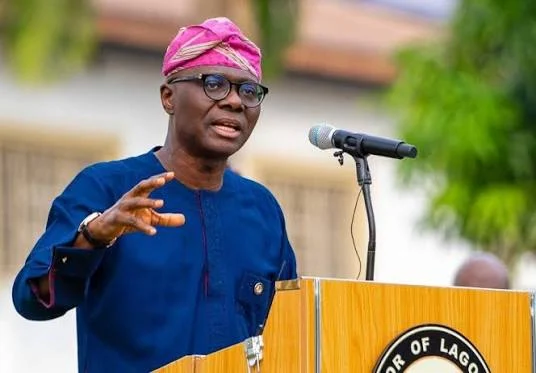
Sanwo-Olu Approves Dredging of 28 Drainage Channels to Tackle Lagos Flooding
Governor Babajide Sanwo-Olu has approved the dredging of 28 additional drainage channels following widespread flooding, as Lagos intensifies efforts to improve stormwater management and strengthen flood resilience.
 News
News
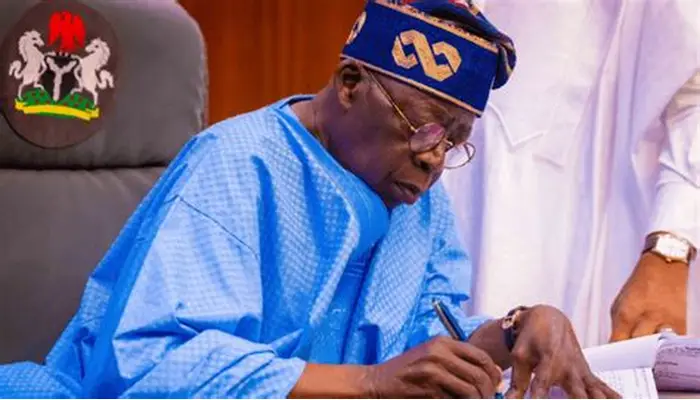
Tinubu Approves 27 Road Projects Worth N3.9tn Across 15 States
President Bola Tinubu has approved 27 federal road projects valued at over N3.9 trillion across 15 states to boost infrastructure, improve connectivity and enhance economic development nationwide.
 News
News
World Bank Rewards Nigerian States with $27m for Education, Healthcare Reforms
The World Bank will disburse $27 million to Nigerian states that excelled in education and healthcare governance reforms under the HOPE Programme, with Bayelsa, Borno, Kano, Kebbi and Yobe leading.
 News
News
Three Remanded for Allegedly Diverting, Selling Government Mosquito Nets in Osun
Three suspects have been remanded in Osun after allegedly diverting and selling 300 government-owned insecticide-treated mosquito nets intended for free distribution to residents across the state.
Comments (0)
Leave a comment
All comments are moderated before publishing. Your email is never published.