
FG to Phase Out Power Sector Subsidy From 2027
Federal Government targets 2027 to end electricity subsidy while maintaining stable tariffs and improved power supply nationwide.

The Federal Government has announced plans to phase out subsidy payments in Nigeria’s power sector from 2027 as part of efforts to create a financially sustainable electricity market.
Minister of Power, Joseph Tegbe, disclosed the plan on Friday during a media interactive session, where he addressed issues surrounding the sector’s mounting debt and ongoing reforms.
According to the minister, the government intends to gradually eliminate the subsidy while ensuring Nigerians continue to enjoy access to electricity without an immediate increase in tariffs.
Tegbe emphasised that the administration of President Bola Tinubu remains committed to improving electricity services while addressing the financial challenges facing the sector.
“We have the mandate of Mr. President to clear the legacy debt and come up with sustainable structures to make sure this doesn’t pile up anymore,” he said.
“I promise you, next year, by God’s grace, we will put a stop to this so-called subsidy in the power sector. Mr. President will not deprive Nigerians of anything. We will make sure Nigerian consumers continue to have power and improve power services.”
The minister also reiterated that there are no immediate plans to increase electricity tariffs despite widespread speculation.
The planned subsidy phase-out aligns with recommendations from the International Monetary Fund, which has consistently advised Nigeria to remove electricity subsidies to improve the financial viability of the sector.
The Federal Government had previously estimated the electricity subsidy burden at about N3 trillion as of February 2024.
Meanwhile, the Association of Power Generation Companies recently disclosed that the government owes generating companies approximately N6.5 trillion in outstanding obligations.
To address the debt, the Tinubu administration has introduced several financing measures.
Following presidential approval for a N4 trillion bond programme aimed at reducing power sector debt, the government issued an inaugural bond worth N501 billion in January under the Presidential Power Sector Debt Reduction Programme.
On July 20, the government announced a second tranche valued at about N729 billion to settle verified legacy debts owed to electricity generation companies.
Earlier this year, President Tinubu also directed all ministries, departments and agencies to rely on existing electricity laws in determining how subsidy costs would be shared among the Federal, state and local governments in preparing the 2026 budget.
The government says the reforms are designed to strengthen the electricity market, improve investor confidence and guarantee more reliable power supply across the country.
Sponsored

Related stories
 News
Shoprite Set To Open Neighbourhood Stores After Shutdown
Shoprite Nigeria plans to open standalone neighbourhood stores after reopening three outlets, as investors pursue a strategy to cut costs and revive operations.
 News
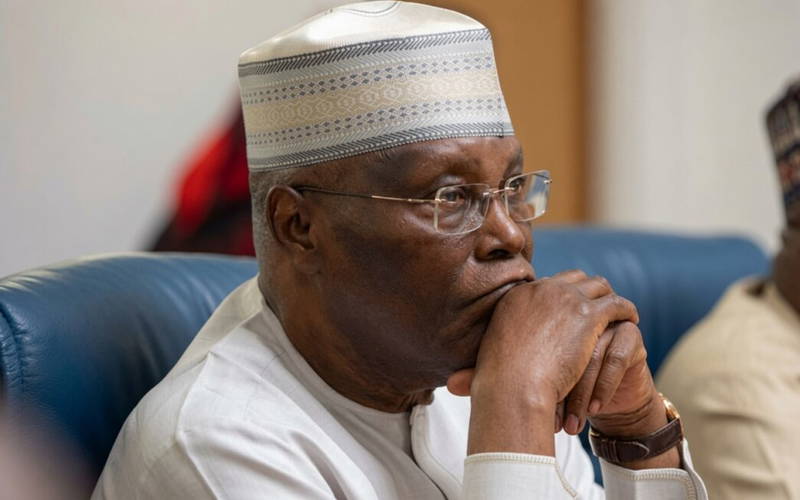
Blaming Opposition For Hunger Is ‘Delusion’ — Atiku Tells Tinubu
Atiku Abubakar has accused President Tinubu of evading responsibility for Nigeria’s economic hardship after blaming opposition politicians for hunger and poverty.
 News
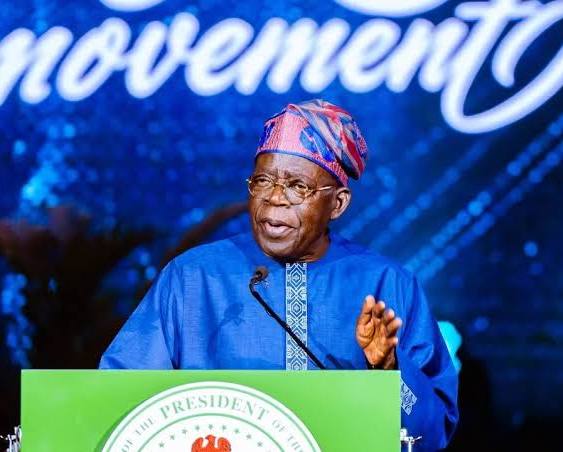
Tinubu Accuses Opposition of Creating Hunger, Poverty
President Bola Tinubu has accused opposition parties of creating the hunger and poverty they now criticise his administration over, insisting that his government is working to eradicate hardship and deliver economic prosperity.
 News
UNICEF, Sokoto Target One Million Children for Polio Vaccination
UNICEF and the Sokoto State Government are intensifying efforts to protect children against polio through vaccination, community mobilisation and public awareness, with emphasis on reaching every eligible child and addressing vaccine hesitancy.
Comments (0)
Leave a comment
All comments are moderated before publishing. Your email is never published.