
FG Expands Nursing Admissions to 50,000 Amid Health Worker Shortage
The Federal Government says it has increased annual nursing admissions to 50,000 from about 20,000 to help ease Nigeria’s health worker shortage and strengthen the healthcare system.
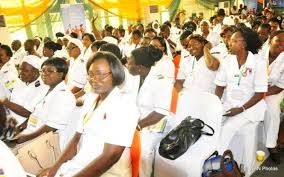
The Federal Government has expanded annual admissions into nursing schools from about 20,000 to 50,000 students in a major push to tackle Nigeria’s shortage of healthcare workers. The Minister of Education, Dr Tunji Alausa, said the move is part of wider reforms designed to produce the skilled manpower needed for the country’s health and economic goals.
Alausa said the growth in nursing enrolment reflects a deliberate effort to rebuild the health workforce after years of shortages and migration. He explained that the government has also increased admissions into medicine, pharmacy and dentistry, as part of a broader strategy to strengthen health-related training across the country.
The minister linked the reform to President Bola Tinubu’s ambition of building a $1tn economy by 2030. In that framework, education is being treated not just as social policy but as a core driver of national productivity, with health professionals seen as essential to both service delivery and economic growth.
The expansion is important because Nigeria has long struggled with inadequate numbers of nurses and other health professionals. As more workers leave for better opportunities abroad, hospitals and clinics face heavier workloads, longer waiting times and reduced quality of care. Increasing training capacity is meant to help close that gap over time.
This move also fits into the government’s broader human capital agenda. Beyond health training, officials say they are investing in technical and vocational education, which is intended to create a more employable workforce and reduce pressure on the labour market. The idea is that stronger training pipelines will eventually support both public services and the wider economy.
Still, the policy’s success will depend on what happens after graduation. Producing more nurses is only part of the solution; Nigeria will also need better working conditions, competitive pay, modern equipment and career support if it wants to keep those workers at home. Otherwise, the country may continue training professionals who later leave for jobs abroad.
The announcement signals that the government recognises the size of the challenge. With admissions now set much higher than before, nursing schools are being asked to play a bigger role in restoring balance to the health sector and improving the country’s long-term supply of frontline medical workers.
Sponsored

Related stories
 Health
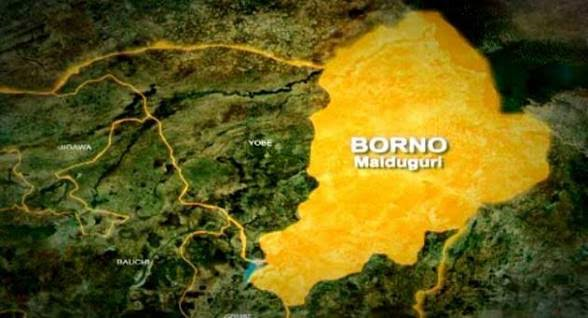
Borno Hires 2,000 Health Workers, Still Faces Staff Shortage
Borno State has recruited nearly 2,000 doctors, nurses and other health professionals in two years, but the head of its contributory health agency says manpower gaps persist as demand grows under the state health insurance scheme.
 Health
Lassa Fever Kills 268 in Nigeria as Cases Hit 1,138
Nigeria has recorded 1,138 confirmed Lassa fever cases and 268 deaths across 24 states in 2026, with the case fatality rate rising to 23.6 per cent—significantly higher than the 18.6 per cent recorded during the same period in 2025. The NCDC has identified five states accounting for 88 per cent of all confirmed cases, as it intensifies preparedness efforts ahead of the peak transmission season.
 Health
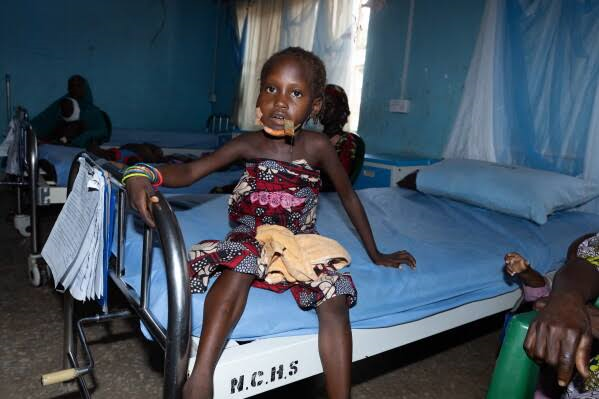
MSF Calls for Routine Noma Surveillance in Nigeria
Doctors Without Borders says noma, a fast-moving and often fatal facial infection linked to malnutrition and poverty, remains largely missing from Nigeria's routine child health programmes despite its 2023 recognition as a neglected tropical disease.
 Health
Oyo Rejects Diphtheria Outbreak Claims, Accuses APC
The Oyo State Government has dismissed claims by the Senator Sharafadeen Alli Campaign Organisation that diphtheria has affected 16 local government areas, describing the allegation as false and politically motivated. Commissioner for Health Dr. Oluwaserimi Ajetunmobi confirmed that while suspected cases have been recorded in 10 LGAs, none have been confirmed, and accused the APC campaign group of distorting immunisation data to score political points.
Comments (0)
Leave a comment
All comments are moderated before publishing. Your email is never published.