
FG Exceeds 2024 Borrowing Target as New Debt Rises to ₦12.62tn
Federal Government exceeded its 2024 borrowing target, raising ₦12.62 trillion amid revenue shortfalls and rising debt.
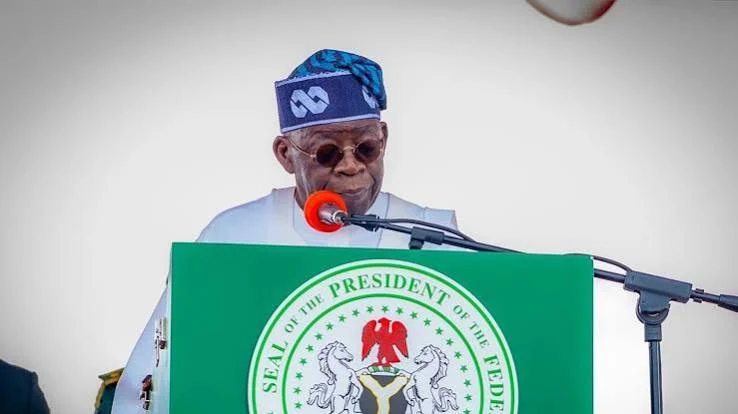
The Federal Government exceeded its 2024 borrowing target after raising ₦12.62 trillion in new debt, surpassing the approved borrowing limit by ₦4.79 trillion, according to the latest Budget Implementation Report released by the Budget Office of the Federation.
The Fourth Quarter and Consolidated Budget Implementation Report for 2024 showed that the government had initially projected new borrowings of ₦7.83 trillion, but ended the fiscal year with borrowing that was 61.2 per cent above the target.
The higher borrowing requirement followed a wider-than-expected budget deficit caused mainly by revenue shortfalls.
According to the report, the Federal Government recorded total revenue of ₦20.98 trillion, falling ₦4.90 trillion below the budget estimate of ₦25.88 trillion.
Government expenditure, however, remained broadly in line with the approved budget, reaching ₦34.49 trillion, resulting in a fiscal deficit of ₦13.51 trillion, compared to the projected ₦9.18 trillion.
The report noted that the deficit also exceeded the ₦10.55 trillion recorded in 2023.
While domestic borrowing remained on target at ₦6.06 trillion, foreign borrowing increased significantly above budget estimates.
The government also received ₦3.19 trillion in budget support, despite making no provision for such financing in the 2024 budget.
In addition, multilateral and bilateral project-tied loans amounted to ₦1.98 trillion, exceeding projections for the year.
The Budget Office attributed the revenue shortfall largely to weaker oil earnings.
Gross oil revenue stood at ₦15.07 trillion, falling below budget expectations due to lower crude oil production and international oil prices.
In contrast, non-oil revenue outperformed expectations, reaching ₦16.09 trillion, driven by stronger collections from Company Income Tax, Value Added Tax, Customs revenue and the Electronic Money Transfer Levy.
The report also showed that debt servicing rose sharply during the year, with total debt expenditure reaching ₦12.36 trillion, significantly above the budgeted amount.
Nigeria’s total public debt increased to ₦144.67 trillion by the end of December 2024, pushing the debt-to-GDP ratio to 61.22 per cent, above both Nigeria’s benchmark of 40 per cent and the international threshold of 56 per cent for comparable economies.
Sponsored

Related stories
 News
News
Shoprite Set To Open Neighbourhood Stores After Shutdown
Shoprite Nigeria plans to open standalone neighbourhood stores after reopening three outlets, as investors pursue a strategy to cut costs and revive operations.
 News
News
Blaming Opposition For Hunger Is ‘Delusion’ — Atiku Tells Tinubu
Atiku Abubakar has accused President Tinubu of evading responsibility for Nigeria’s economic hardship after blaming opposition politicians for hunger and poverty.
 News
News
Tinubu Accuses Opposition of Creating Hunger, Poverty
President Bola Tinubu has accused opposition parties of creating the hunger and poverty they now criticise his administration over, insisting that his government is working to eradicate hardship and deliver economic prosperity.
 News
News
UNICEF, Sokoto Target One Million Children for Polio Vaccination
UNICEF and the Sokoto State Government are intensifying efforts to protect children against polio through vaccination, community mobilisation and public awareness, with emphasis on reaching every eligible child and addressing vaccine hesitancy.
Comments (0)
Leave a comment
All comments are moderated before publishing. Your email is never published.