
FG Budgets ₦963bn for SUVs, Empowerment Projects Despite Rising Borrowing Burden
Tracka questioned the Federal Government’s ₦963bn allocation for SUVs and empowerment projects amid rising borrowing concerns.
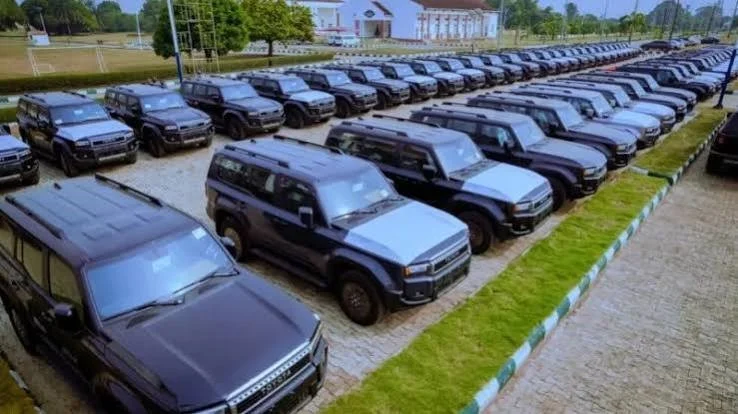
The Federal Government has allocated ₦962.83 billion for the procurement of Sport Utility Vehicles (SUVs) and empowerment projects in the 2026 Appropriation Act, despite growing concerns over the country’s rising debt profile and fiscal deficit.
The figures were disclosed in an analysis of the 2026 budget by civic technology organisation, Tracka, which said the allocation comprises ₦15.13 billion for the procurement of 39 SUVs and ₦947.70 billion for 2,579 empowerment projects.
According to Tracka, the combined allocation exceeds the ₦960.27 billion budgeted for seven key federal ministries, including Industry, Trade and Investment; Housing and Urban Development; Women Affairs; Justice; Livestock Development; Aviation and Aerospace Development; and Petroleum Resources.
The organisation also raised concerns over transparency, noting that only 70 of the 2,579 empowerment projects have clearly identified implementation locations.
It questioned how citizens and oversight agencies could monitor projects without specified locations or identifiable beneficiaries.
Tracka further observed that the projects were spread across 184 implementing agencies, including institutions whose statutory responsibilities do not ordinarily include empowerment programmes.
Among the largest allocations were ₦89.09 billion for the Renewed Hope Fertiliser Support Programme under the National Agricultural Development Fund and ₦127.1 billion worth of projects assigned to the Federal Cooperative College, Oji River.
While acknowledging that empowerment initiatives can improve livelihoods when properly implemented, the organisation warned that poorly designed programmes often become channels for political patronage instead of delivering broad-based public benefits.
Tracka linked its concerns to Nigeria’s worsening fiscal position, noting that the 2026 budget carries a projected deficit of about 46 per cent, with total expenditure estimated at ₦68.32 trillion against projected revenue of ₦36.87 trillion, leaving a deficit of ₦31.46 trillion.
The organisation argued that heavy borrowing to finance such expenditure makes transparency and value-for-money even more critical.
Recent data also showed that the Federal Government increased its borrowing plan for 2026 to ₦29.20 trillion, while raising ₦5.08 trillion from the domestic bond market during the first half of the year.
Former Vice President Atiku Abubakar also questioned why the government continues to borrow heavily despite what he described as an estimated ₦7.98 trillion oil revenue windfall generated from crude oil prices exceeding the 2026 budget benchmark.
Sponsored

Related stories
 News
News
Shoprite Set To Open Neighbourhood Stores After Shutdown
Shoprite Nigeria plans to open standalone neighbourhood stores after reopening three outlets, as investors pursue a strategy to cut costs and revive operations.
 News
News
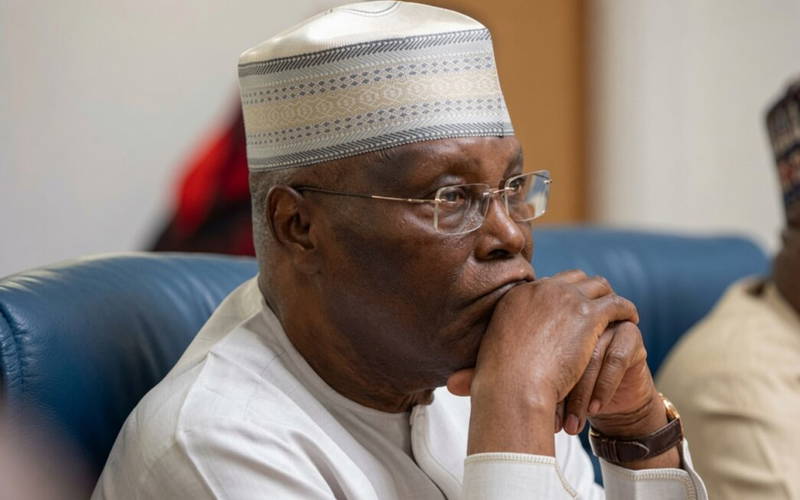
Blaming Opposition For Hunger Is ‘Delusion’ — Atiku Tells Tinubu
Atiku Abubakar has accused President Tinubu of evading responsibility for Nigeria’s economic hardship after blaming opposition politicians for hunger and poverty.
 News
News
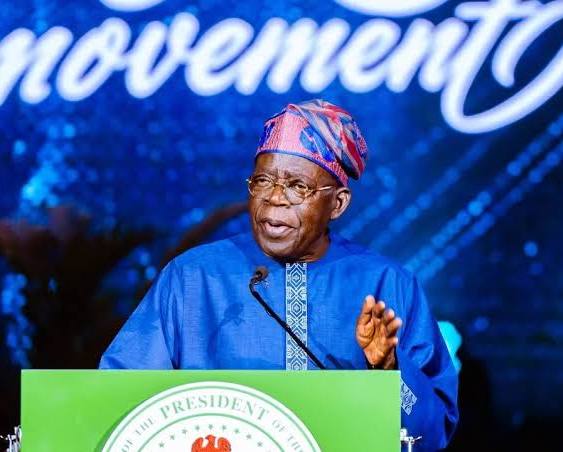
Tinubu Accuses Opposition of Creating Hunger, Poverty
President Bola Tinubu has accused opposition parties of creating the hunger and poverty they now criticise his administration over, insisting that his government is working to eradicate hardship and deliver economic prosperity.
 News
News
UNICEF, Sokoto Target One Million Children for Polio Vaccination
UNICEF and the Sokoto State Government are intensifying efforts to protect children against polio through vaccination, community mobilisation and public awareness, with emphasis on reaching every eligible child and addressing vaccine hesitancy.
Comments (0)
Leave a comment
All comments are moderated before publishing. Your email is never published.