
FAAC Bonanza: Govs Face Questions as Payouts Hit N47tn
Nigeria’s states and local governments received record FAAC allocations after 2023 reforms, intensifying calls for greater accountability and better public services.
Nigeria’s 36 state governments are facing renewed scrutiny over the management of public funds after Federation Account allocations surged following the removal of petrol subsidy.
The Federation Account Allocation Committee distributed about N47.25tn to the three tiers of government between 2023 and 2025, representing more than half of the N93.13tn shared from 2017 to 2025.
Figures contained in a Federal Ministry of Finance document obtained by The PUNCH showed that FAAC allocations rose sharply after the economic reforms introduced in 2023.
The figures showed that net FAAC distributions increased from N5.64tn in 2017 to N21.90tn in 2025, representing an increase of about 288 per cent.
Annual allocations stood at N7.98tn in 2018, N7.85tn in 2019, N7.11tn in 2020, N8.12tn in 2021 and N9.18tn in 2022.
Following the reforms, allocations rose to N10.09tn in 2023, N15.26tn in 2024 and a record N21.90tn in 2025.
The sharp increase has intensified debate over whether the additional revenue has translated into better infrastructure, healthcare, education, security and other public services.
Policy analysts and civil society groups have questioned why Nigerians continue to face high living costs, unemployment, poverty and inadequate basic amenities despite increased government revenues.
A policy analyst, Adebayo Abubakar, said higher revenues had not always resulted in spending that reflected the economic difficulties facing citizens.
He argued that some governments appeared more focused on highly visible projects while basic services such as schools, healthcare, water supply and drainage remained inadequate.
The Federal Ministry of Finance, however, said the reforms had significantly increased the resources available to states and local governments for salaries, pensions, infrastructure and other responsibilities.
According to the ministry, states received about N9.17tn in additional allocations between June 2023 and December 2025, while local governments received approximately N6.66tn.
The figures also showed that the Federal Government received N1.996tn in 2022, N3.749tn in 2023, N4.570tn in 2024 and N7.024tn in 2025, totalling about N17.34tn over the four-year period.
However, analysts noted that the apparent revenue boom should be viewed alongside the depreciation of the naira.
Although FAAC allocations increased substantially in naira terms, their dollar value declined because of the weaker currency.
The development has therefore strengthened calls for state governors and other public officials to demonstrate greater transparency and accountability in the use of increased federation revenues.
Sponsored

Related stories
 Politics
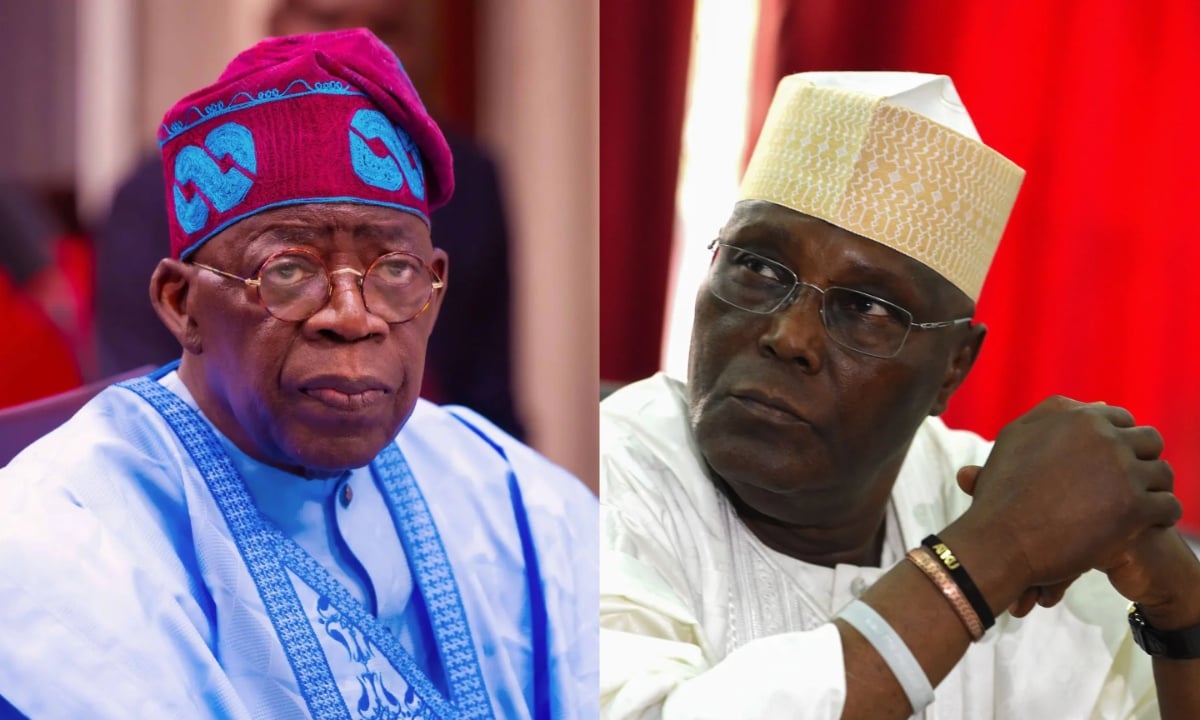
Fuel Discount: Atiku Accuses Tinubu of Turning NNPCL Into Campaign Money Cashier
Atiku has accused Tinubu’s administration of using NNPCL’s petrol discount for political advantage ahead of the 2027 general election.
 Politics
2027: NDC to Inaugurate Presidential Council October 20
The Nigeria Democratic Congress will inaugurate its Presidential Campaign Council on October 20 as it intensifies preparations for the 2027 general elections.
 Politics
2027: Wike Threatens to Block Amaechi’s Campaign in Rivers Over Tinubu Insults
Wike warned Amaechi could face campaign difficulties in Rivers if he continues attacking Tinubu’s supporters.
 Politics
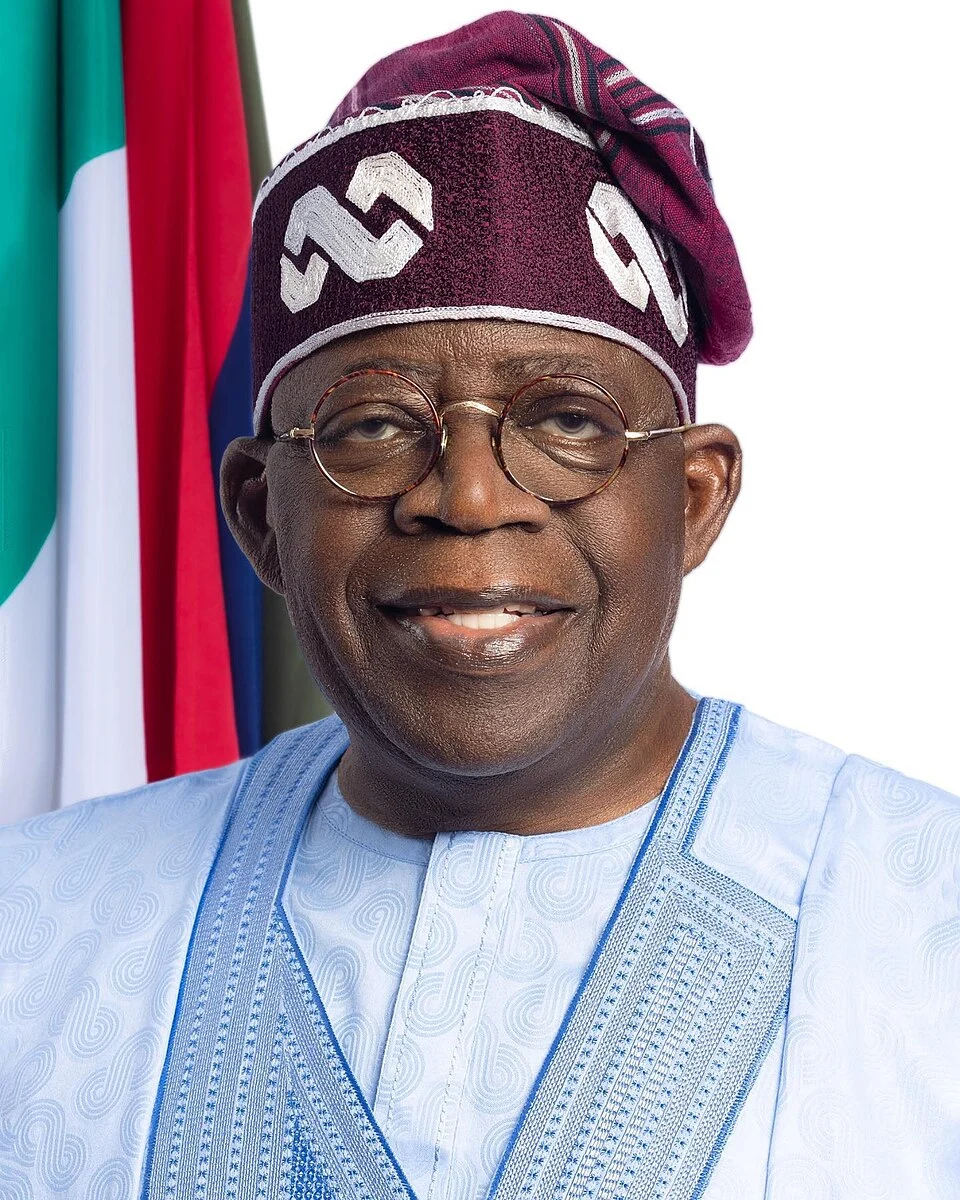
2027: Tinubu Kicks Off Campaign in Kaduna October 24
Yari says Tinubu will officially launch his 2027 re-election campaign in Kaduna on October 24.
Comments (0)
Leave a comment
All comments are moderated before publishing. Your email is never published.