
Drug Abuse, Illegal Mining Fueling Youth Violence In Niger — Residents
Drug abuse, illegal mining, and gang violence are fueling insecurity in Niger State, especially Minna. Residents and security agencies say weak enforcement and unemployment are sustaining a dangerous cycle affecting youths and communities.
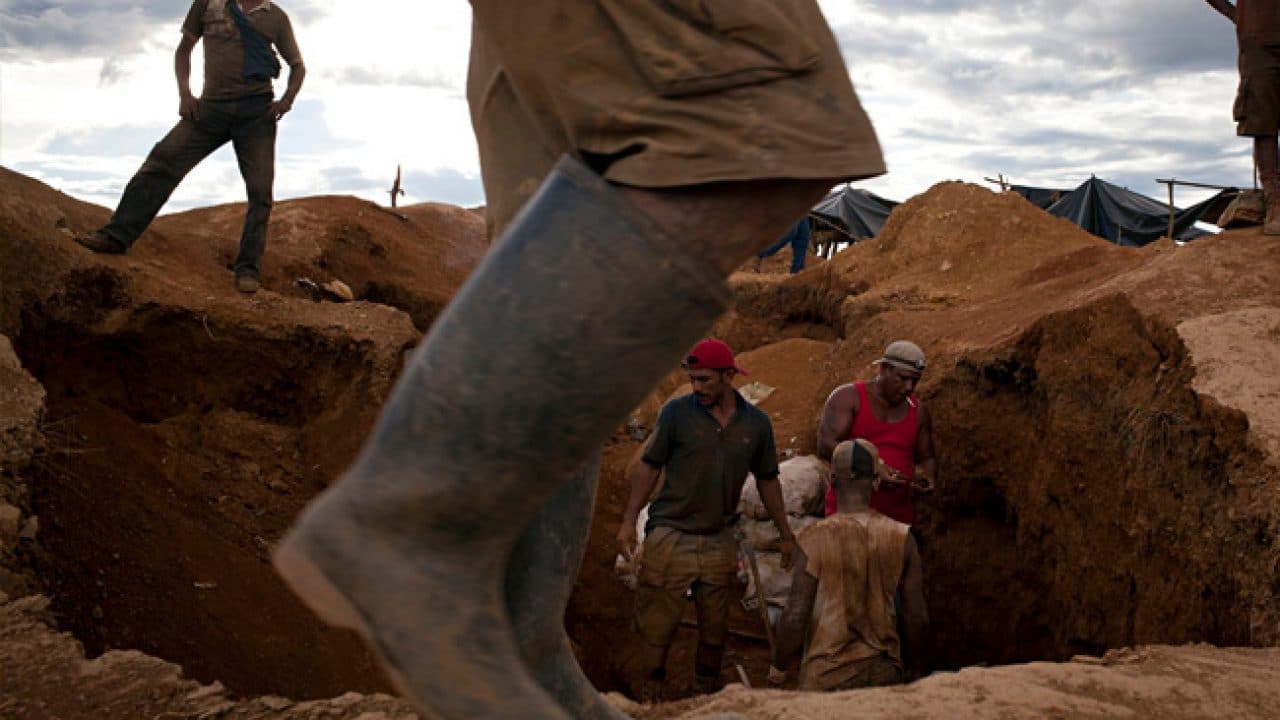
Drug abuse, illegal mining, and youth gang rivalries are driving a rising wave of violence across parts of Niger State, particularly in Minna and surrounding communities, according to residents, security agencies, and civil society findings.
An investigation across areas including Maitumbi, Tunga, Kpakungu, Angwan-Daji, Limawa, Western Bypass axis, M.I. Wushishi Estate, and Chanchaga revealed a complex pattern where unemployment, drug use, and informal mining economies reinforce violent youth behaviour.
Residents say long-standing friendships among youths have broken down into violent confrontations.
“Some of these boys grew up together. They attended the same school. Now if they meet, it can end in bloodshed,” a resident, Fatima, said.
The National Drug Law Enforcement Agency (NDLEA) in Niger State identified drug abuse as a major trigger of violence, warning that substances such as cannabis, Colorado, and shisha are widely used among youths.
State Commander Shehu Gwadabawa said most drugs are trafficked into the state from Ondo and Delta, adding that abuse often begins with experimentation before escalating into addiction and aggression.
“Most parents are not aware their children are into drugs until it is too late,” he said.
Security agencies also linked drug use to violent clashes at illegal mining sites, which have become flashpoints in areas such as Maitumbi corridor, Western Bypass, and Chanchaga Bridge.
The Nigeria Security and Civil Defence Corps said rival groups frequently fight over control of mining spots, while the Department of State Services described illegal mining as a growing security threat exploited by criminal elements.
Civil society groups warned that children as young as 12 are present in mining environments, often exposed to drugs and violence, while police said arrests frequently fail to translate into convictions due to legal and procedural gaps.
A police spokesperson said suspects often return to the streets after bail, describing the situation as a “revolving door” of arrest and release.
Residents also recounted personal tragedies, with families losing young people to gang violence, while others live in constant fear of reprisal attacks.
Stakeholders say the crisis persists due to weak coordination between enforcement agencies and challenges in prosecuting offenders, allowing drug networks, mining disputes, and gang violence to reinforce one another across communities.
Sponsored

Related stories
 News
News
FG Seeks World Bank Guarantees for Infrastructure Financing
Nigeria’s Oyedele and Cardoso seek World Bank guarantees to attract private capital for infrastructure projects.
 News
News
Power: FG to Clear GenCos’ Legacy Debts in 2027 — Tegbe
Power Minister Joseph Tegbe says the Federal Government aims to settle outstanding legacy debts owed to electricity generation companies by 2027.
 News
News
IPO: Dangote Petroleum Refinery Extends Offer Period by Two Weeks
Dangote Refinery extends its share offer to October 27, giving investors more time to participate in the landmark IPO.
 News
News
Houthi Official Warns of ‘Swift, Painful Response’ if US Enters Yemen War
Houthi official Mohammed Al Bukhaiti threatens US interests if Washington joins Saudi Arabia’s military campaign against the group.
Comments (0)
Leave a comment
All comments are moderated before publishing. Your email is never published.