
CSOs Demand Functional PHCs, Increased Health Funding
Civil society organisations have called for functional primary healthcare centres, timely release of health budgets and stronger accountability, urging government to make healthcare a key political priority ahead of the 2027 elections.
Civil society organisations under the Health Sector Reform Coalition have called for stronger funding and accountability in Nigeria’s health sector, with emphasis on making primary healthcare centres fully functional.
The organisations made the demand during a mid-year review of Nigeria’s health sector reforms and policy dialogue in Abuja, urging government to ensure timely release of approved health budgets and strengthen accountability for the Basic Health Care Provision Fund.
Chairperson of the coalition, Dr Muhammed Lecky, said the success of ongoing reforms should be measured by the quality of healthcare available to citizens rather than the number of facilities renovated.
He said a functional primary healthcare centre should have adequate health workers, essential medicines, basic diagnostic services, electricity, water, infection-prevention systems, referral arrangements and maternal and child health services.
Lecky also called for transparent tracking of health funds from allocation to individual facilities and greater attention to the welfare of health workers through timely payment, training, safer working conditions and appropriate incentives for rural postings.
He expressed concern over Nigeria’s high out-of-pocket health expenditure, fragmented financing and continued dependence on external funding.
Lecky cited health indicators showing that only 50 per cent of live births were assisted by a skilled provider, while 39 per cent of children aged 12 to 23 months were fully vaccinated with basic antigens.
He said the figures demonstrated the need for government to focus more on measurable health outcomes and access to quality services.
The coalition also called for a comprehensive review of existing health policies to eliminate overlapping responsibilities and improve coordination among institutions.
Minister of Health and Social Welfare, Prof Muhammad Ali Pate, said the Federal Government was working to increase resources for healthcare while strengthening regulatory and professional institutions.
Pate acknowledged the scale of the challenges facing the sector, saying years of deterioration could not be reversed within a short period.
He also urged development partners to support Nigeria in ways that strengthen local capacity rather than create parallel systems.
Meanwhile, Chair and Co-convener of the Nigeria Universal Health Coverage Forum, Moji Makanjuola, said health should be placed firmly on the political agenda ahead of the 2027 elections.
She disclosed that the forum would convene a stakeholders’ workshop in October to review its citizen-led health agenda and develop an advocacy action plan for the period before, during and after the elections.
Sponsored

Related stories
 News
News
Wike, Adeleke, Soludo’s Alliance With Tinubu Raises Opposition Concerns
The appointment of Nyesom Wike, Ademola Adeleke and Chukwuma Soludo to coordinate President Bola Tinubu’s 2027 re-election campaign has sparked discontent within the APC and raised concerns among opposition candidates about their prospects in legislative elections.
 News
News
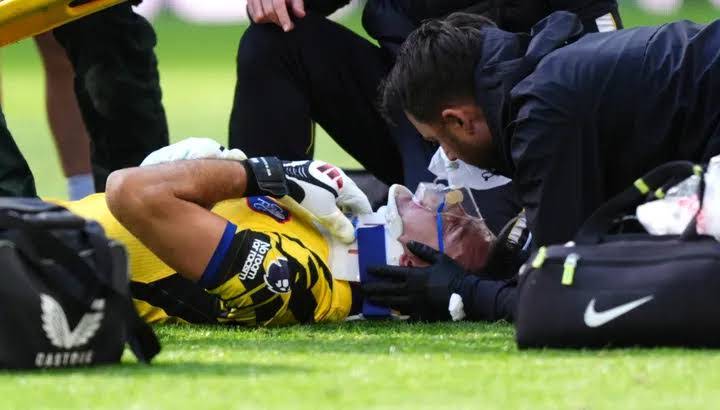
Chelsea Goalkeeper Martínez Targets Return Within Weeks After Surgery
Chelsea goalkeeper Emiliano Martínez has undergone successful surgery for a fractured jaw sustained in a collision with Everton defender Jarrad Branthwaite. The Argentine expects to return within weeks.
 News
News
Aiyedatiwa Renames Ondo Event Centre After Mimiko
Ondo State Governor Lucky Aiyedatiwa has renamed the International Centre for Culture and Events, popularly known as The Dome, in Akure after former Governor Olusegun Mimiko in recognition of his contribution to the state’s development.
 News
News
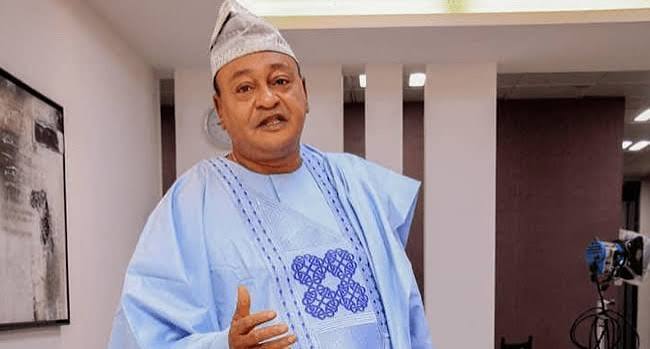
Jide Kosoko Reveals He Has Lived With Diabetes Since 1996
Veteran Nollywood actor Jide Kosoko has disclosed that he has been living with diabetes since 1996, saying his decades-long experience has helped him understand his health better. He also reflected on family losses, his acting career and the responsible use of social media.
Comments (0)
Leave a comment
All comments are moderated before publishing. Your email is never published.