
Crude Prices Slump as U.S.-Iran Diplomatic Talks Ease Middle East Risk Premium
Crude oil prices have dropped sharply following the announcement of direct backchannel diplomatic negotiations between the United States and Iran.
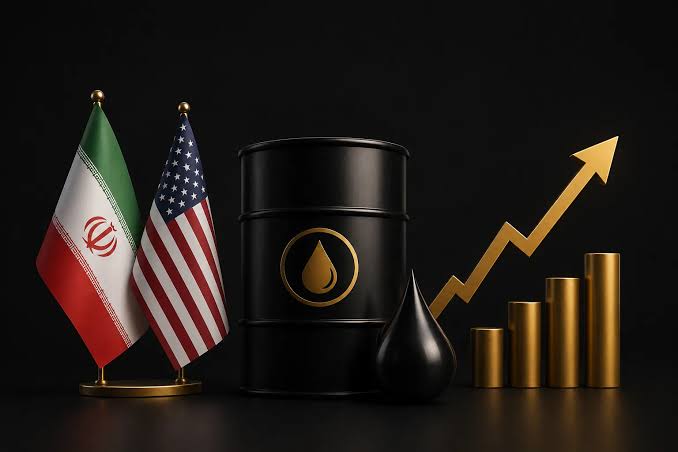
Global oil benchmarks dropped significantly following reports that the United States and Iran have re-entered active diplomatic negotiations, easing fears of direct energy infrastructure disruptions across the Persian Gulf. The sudden geopolitical breakthrough triggered a sharp sell-off by traders, unwinding the steep war risk premium that had kept crude futures trading at multi-month highs.
International energy markets responded immediately to the diplomatic progress, with both Brent and West Texas Intermediate (WTI) plunging below their established technical support floors.
Energy analysts point out that the price collapse is driven by a fundamental shift in market sentiment rather than an immediate change in physical inventory:
- De-escalation Premium: For months, crude prices were artificially inflated by fears of a broader Middle Eastern conflict that could jeopardize major shipping lanes. The confirmation of backchannel talks in Oman has effectively signaled to the market that both Washington and Tehran are seeking an economic and military off-ramp.
- Potential Influx of Iranian Supply: A major factor weighing on futures is the speculation that any successful diplomatic framework will involve a quiet relaxation of Washington’s enforcement of secondary energy sanctions. This could legitimately allow Iran to legally reintroduce hundreds of thousands of barrels of crude per day back into tight European and Asian markets.
- OPEC+ Dilemma: The sudden price drop complicates the strategic outlook for the OPEC+ alliance, which has been actively utilizing voluntary production cuts to defend a higher price floor. A sustained diplomatic thaw could force the cartel to extend its production curbs deeper into the year to avoid a structural supply glut.
While consumer nations welcome the downward trajectory as a vital cushion against stubborn global inflation, energy economists warn that the market remains highly sensitive. Until a formal, verifiable diplomatic agreement is signed, any sudden friction or breakdown in the negotiations could instantly trigger a reactive spike in crude futures.
Related stories
 News
News
Five Nigerians Rescued from Côte d’Ivoire Prison Arrive Abuja
Five Nigerians rescued from detention in Côte d’Ivoire have returned home after months of diplomatic efforts, while the Federal Government seeks compensation following the death of one detainee in custody.
 News
News
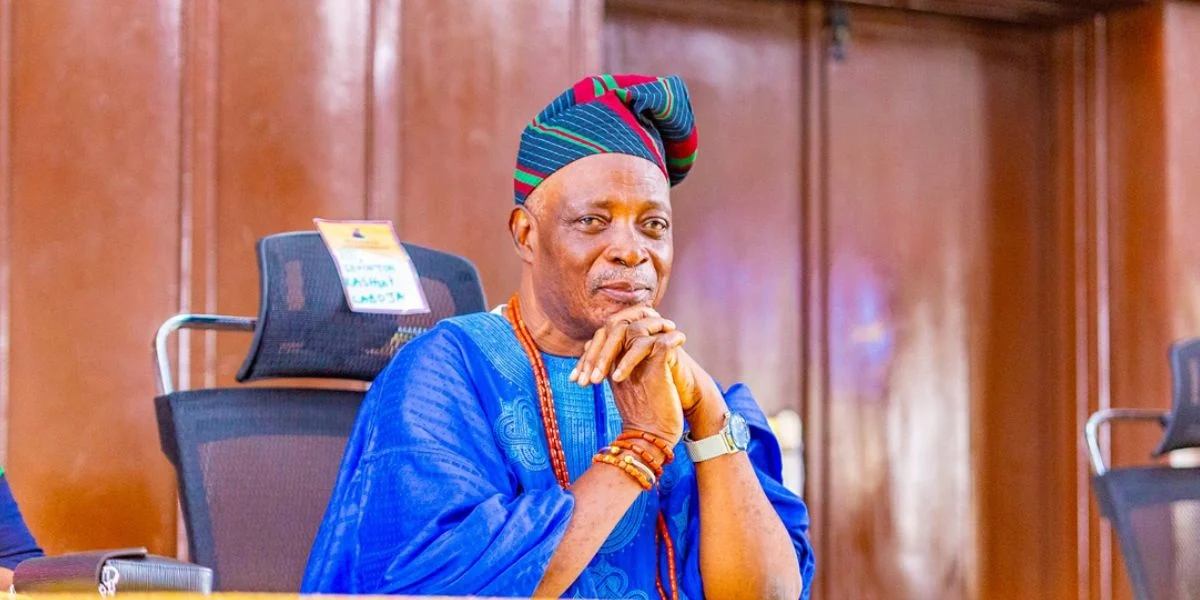
Olubadan Inaugurates Committee on Integration of Traditional, Orthodox Medicine
The Olubadan of Ibadanland has inaugurated a committee to integrate traditional and orthodox medicine, saying both healthcare systems should complement each other to improve healthcare delivery and preserve indigenous knowledge.
 News
News
ICPC, PenCom Recover N3bn Unremitted Pension Deductions from Defaulting Firms
The ICPC and PenCom have recovered over N3bn in unremitted pension deductions from defaulting employers in the electricity sector, with funds credited to workers’ Retirement Savings Accounts amid stricter enforcement efforts.
 News
News
CBN Revokes Licences of 46 Microfinance Banks Over Regulatory Breaches
The Central Bank of Nigeria revoked the licences of 46 microfinance banks over regulatory breaches, saying the action will protect depositors and strengthen confidence in Nigeria’s financial system.
Comments (0)
Leave a comment
All comments are moderated before publishing. Your email is never published.