
Civil War: Why Ojukwu Refused to Recognise Gowon as Head of State — Abdulsalami Abubakar
Abdulsalami Abubakar reveals Ojukwu rejected Gowon’s authority over military hierarchy disputes after Ironsi’s death, escalating ethnic tensions that led to failed negotiations and eventually Nigeria’s Civil War in 1967.
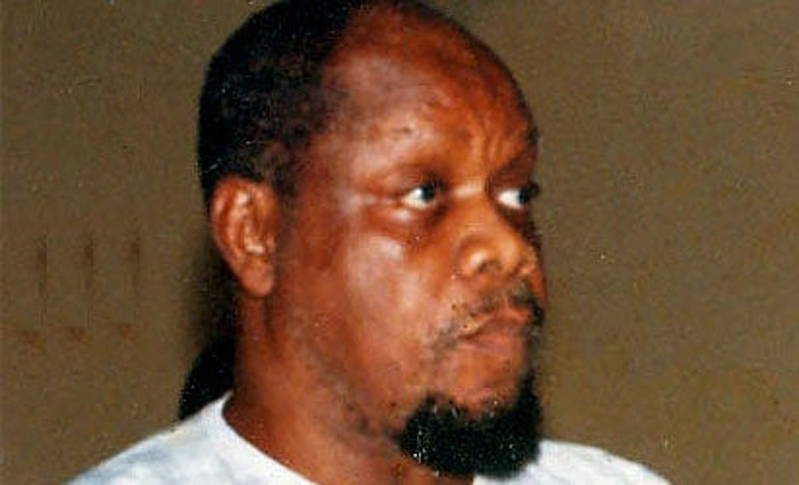
Former Head of State, General Abdulsalami Abubakar, has provided a detailed historical account explaining why Lt. Col. Emeka Odumegwu Ojukwu refused to recognise Lt. Col. Yakubu Gowon as Nigeria’s Head of State in the events leading to the Nigerian Civil War.
The revelation is contained in Abubakar’s autobiography titled Call of Duty, which was presented in Abuja during his 84th birthday celebration.
According to the former military leader, the crisis stemmed from disputes over military hierarchy following the assassination of Major General Aguiyi-Ironsi in 1966. He explained that Ojukwu, then Governor of the Eastern Region, believed Brigadier Babafemi Ogundipe, who was next in seniority, should have succeeded Ironsi in line with military protocol.
Abubakar recalled that the period was marked by rising ethnic tensions, especially in Northern Nigeria, where anti-Igbo sentiments triggered riots, killings, and mass displacement after the January 1966 coup and subsequent counter-coup. These events deepened mistrust and widened divisions across the country.
He noted that although Gowon emerged as Head of State, Ojukwu refused to accept his leadership, arguing that the proper chain of command had been violated. This disagreement further destabilised the fragile political environment and intensified national tensions.
The former Head of State added that several attempts were made to resolve the crisis, including the Aburi Accord, but all efforts failed to produce lasting peace. The breakdown in negotiations ultimately paved the way for the declaration of the Republic of Biafra on May 30, 1967, and the outbreak of the Civil War.
Reflecting on the conflict, Abubakar said the war could have been avoided if dialogue had been sustained and retaliatory actions curtailed. He emphasised that anger, mistrust, and political miscalculations worsened the situation at the time.
He concluded that despite the tragic consequences of the war, Nigeria survived and later achieved reconciliation, stressing the importance of unity and learning from historical mistakes.
Sponsored

Related stories
 News
News
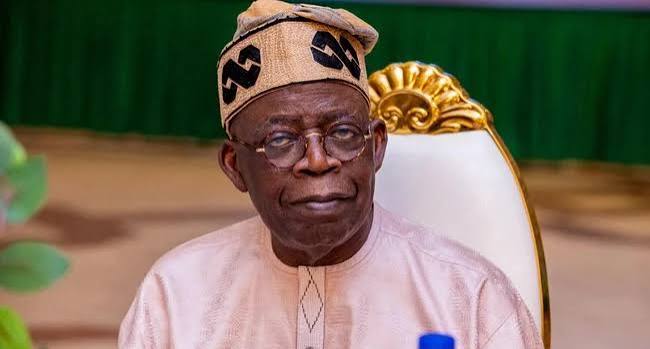
Tinubu Seeks Senate Nod to Replace ASCON With National School of Government
President Bola Tinubu has asked the Senate to approve a bill seeking to repeal the law establishing the Administrative Staff College of Nigeria and replace it with a National School of Government focused on leadership development and public-sector capacity building.
 News
News
Adeleke Dances With Tinubu at APC Campaign Council Inauguration
Osun State Governor Ademola Adeleke joined President Bola Tinubu at the inauguration of the APC’s 2027 Presidential Campaign Council in Abuja, drawing attention to their political collaboration ahead of the general election.
 News
News
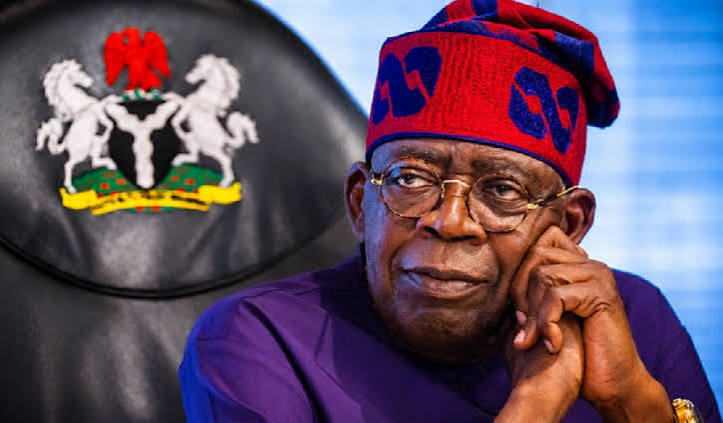
Tinubu Seeks Repeal of Indian Hemp Act in Drug Law Overhaul
President Bola Tinubu has asked the Senate to repeal the Indian Hemp Act as part of a proposed overhaul of Nigeria’s drug enforcement laws, aimed at consolidating the legal framework for combating illicit drugs.
 News
News
Tinubu Seeks Senate Approval to Replace ASCON with National School of Government
President Bola Tinubu has asked the Senate to repeal the law establishing the Administrative Staff College of Nigeria and create a National School of Government to strengthen leadership development and public sector capacity.
Comments (0)
Leave a comment
All comments are moderated before publishing. Your email is never published.