
Chinese Investors May Acquire 51% Stake in PH, Warri Refineries
NNPC Limited is reportedly considering a potential equity partnership that could give Chinese investors up to 51% stake in the Port Harcourt and Warri refineries under a rehabilitation and operational upgrade plan. The agreement, still non-binding, aims to boost efficiency, capacity, and long-term refinery sustainability through technical and financial collaboration.
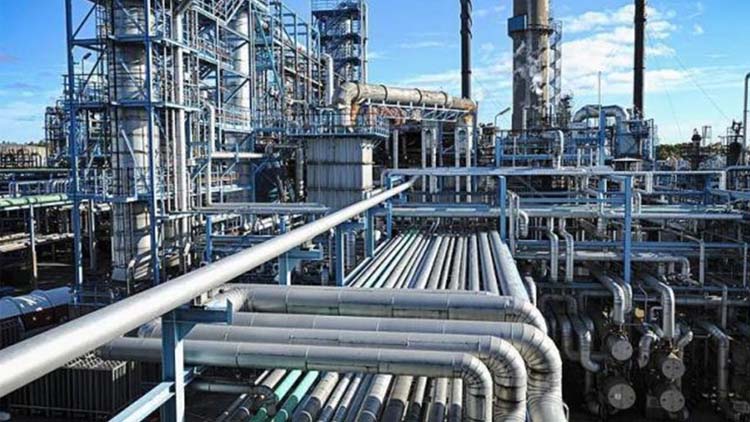
The Nigerian National Petroleum Company Limited (NNPC Ltd) is considering a major equity partnership arrangement that could hand Chinese investors a 51 per cent stake in the Port Harcourt and Warri refineries as part of plans to rehabilitate and commercially reposition the facilities.
The proposed arrangement emerged after NNPC signed a Memorandum of Understanding with Chinese firms Sanjiang Chemical Company Limited and Xinganchen (Fuzhou) Industrial Park Operation and Management Co. Ltd for what it described as a potential technical equity partnership.
The agreement was signed on April 30, 2026, in Jiaxing City, China, by the Group Chief Executive Officer of NNPC Ltd, Bayo Ojulari, alongside executives of the Chinese companies.
According to findings, the proposed framework goes beyond ordinary refinery rehabilitation contracts and may involve long-term equity participation, joint governance arrangements, and operational involvement by the Chinese partners.
Sources familiar with the agreement disclosed that the structure is being designed around an “NLNG-type model,” where investors hold majority equity, participate in management decisions, and share operational responsibilities over an extended period.
Under the proposed collaboration, the Chinese firms are expected to assist with completing outstanding engineering and rehabilitation work at the Port Harcourt and Warri refineries while also providing operations and maintenance services aimed at improving efficiency and profitability.
The planned upgrades are also expected to expand refinery capacity, improve fuel quality, and support cleaner fuel production standards.
In addition, both parties are reportedly exploring opportunities in petrochemical and gas-based industrial projects through the development of industrial hubs around the refinery complexes.
Speaking after the signing ceremony, Ojulari described the agreement as an important milestone after months of engagement between NNPC and the Chinese firms.
He said the partnership represents a significant step toward identifying technical equity partners capable of restarting and expanding Nigeria’s refineries while improving their long-term sustainability.
Sources further explained that the agreement remains a non-binding framework and is still subject to technical, financial, commercial, and legal due diligence before any final commercial contracts are executed.
Industry analysts say the move may reflect concerns within NNPC about the sustainability of previous refinery rehabilitation arrangements and the need for technically competent investors with direct financial stakes in the projects.
The proposed deal could also expand Chinese involvement in Nigeria’s downstream petroleum and gas industries if discussions eventually lead to binding agreements.
Sponsored

Related stories
 News
News
FG Seeks World Bank Guarantees for Infrastructure Financing
Nigeria’s Oyedele and Cardoso seek World Bank guarantees to attract private capital for infrastructure projects.
 News
News
Power: FG to Clear GenCos’ Legacy Debts in 2027 — Tegbe
Power Minister Joseph Tegbe says the Federal Government aims to settle outstanding legacy debts owed to electricity generation companies by 2027.
 News
News
IPO: Dangote Petroleum Refinery Extends Offer Period by Two Weeks
Dangote Refinery extends its share offer to October 27, giving investors more time to participate in the landmark IPO.
 News
News
Houthi Official Warns of ‘Swift, Painful Response’ if US Enters Yemen War
Houthi official Mohammed Al Bukhaiti threatens US interests if Washington joins Saudi Arabia’s military campaign against the group.
Comments (0)
Leave a comment
All comments are moderated before publishing. Your email is never published.