
Chike-Obi Questions Benefits of Nigeria’s Rising Foreign Reserves
Former Fidelity Bank chairman Mustafa Chike-Obi says Nigeria’s foreign reserves of between $52 billion and $53 billion could cost the country more than $10 billion annually to maintain. He argues that reserve levels should reflect external payment obligations rather than the assumption that higher reserves automatically improve economic welfare.
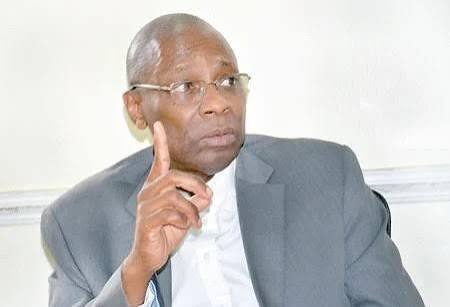
Former Chairman of Fidelity Bank, Mustafa Chike-Obi, has questioned the economic benefits of Nigeria’s rising foreign reserves, arguing that maintaining a large stock of foreign currency assets comes with substantial costs that must be weighed against their benefits.
Chike-Obi made the remarks during an episode of *Policy Without Politics*, a podcast he co-hosts with Ken Ikpe, where he explained that Nigeria’s foreign reserves of between $52 billion and $53 billion could cost the country more than $10 billion annually under his estimates.
He said the reserves generated an average return of about three per cent from liquid assets held abroad, while the naira used to finance them carried a cost of approximately 20 per cent.
According to him, the difference between the returns on reserve assets and the cost of funding them creates a significant financial burden. He estimated that the 17-percentage-point gap, applied to reserves of about $52 billion, translated into an annual cost exceeding $10 billion, assuming the naira remained at the same nominal level.
Chike-Obi cautioned against the belief that an increase in foreign reserves necessarily means the country is economically better off. He said the assets must be invested in liquid financial instruments held abroad, meaning their value should be assessed alongside the cost of maintaining them.
He explained that reserve assets could be held through financial institutions abroad, including overseas branches of Nigerian banks and international institutions such as JPMorgan. He added that investments that could not be readily accessed would not qualify as foreign reserves, citing a 10-year South African bond as an example.
The former bank chairman identified two major reasons for maintaining foreign reserves: meeting external payment obligations when they fall due and assuring international trading partners and lenders that the country can pay for imported goods.
He argued that the appropriate level of reserves should therefore be determined by Nigeria’s projected foreign currency obligations and the amount of dollars required to meet them, rather than by pursuing a higher headline figure.
Although he did not specify the exact amount Nigeria should maintain, Chike-Obi said the required level was, in his view, substantially below $52 billion. He acknowledged, however, that the appropriate amount would depend partly on the country’s reliance on imports, with greater dependence on foreign goods requiring a larger reserve buffer.
Data from the Central Bank of Nigeria showed that the country’s foreign reserves stood at $55.09 billion on October 14, 2026, rising from $51.94 billion on July 28.
Foreign reserves serve as a buffer for meeting international payment obligations and supporting confidence in a country’s ability to fulfil external commitments. Chike-Obi’s comments highlight the need to balance those functions against the financial cost of holding reserve assets.
Sponsored

Related stories
 News
News
Ogun CP Summons Four Officers Over Viral Assault Video
Ogun Police apprehend four officers after a viral video showed them attempting to arrest a man over his camouflage shorts in Ijagba.
 News
News
France Counts Cost of Violent Protests as 1,800 Arrested
France assesses widespread damage after violent protests over living costs leave a historic town hall burned, shops looted and hundreds injured.
 News
News
Scavengers Stole Wires from N3bn Power Line — Zulum
Borno Governor Babagana Zulum accuses metal scavengers of stealing power-line wires, warning that vandalism threatens public infrastructure and electricity supply.
 News
News
Oyebanji Credits Tinubu’s Policies for Ekiti Development
Ekiti Governor Biodun Oyebanji says President Tinubu’s economic policies have increased state resources, helping his administration advance development across key sectors.
Comments (0)
Leave a comment
All comments are moderated before publishing. Your email is never published.