
CBN’s Revocation of Microfinance Bank Licenses Signals Serious Regulatory Concerns — Economist Warns
An economist says the CBN’s revocation of 46 microfinance bank licences reflects serious regulatory failures, warning that customers and small businesses could face financial risks despite NDIC protection.
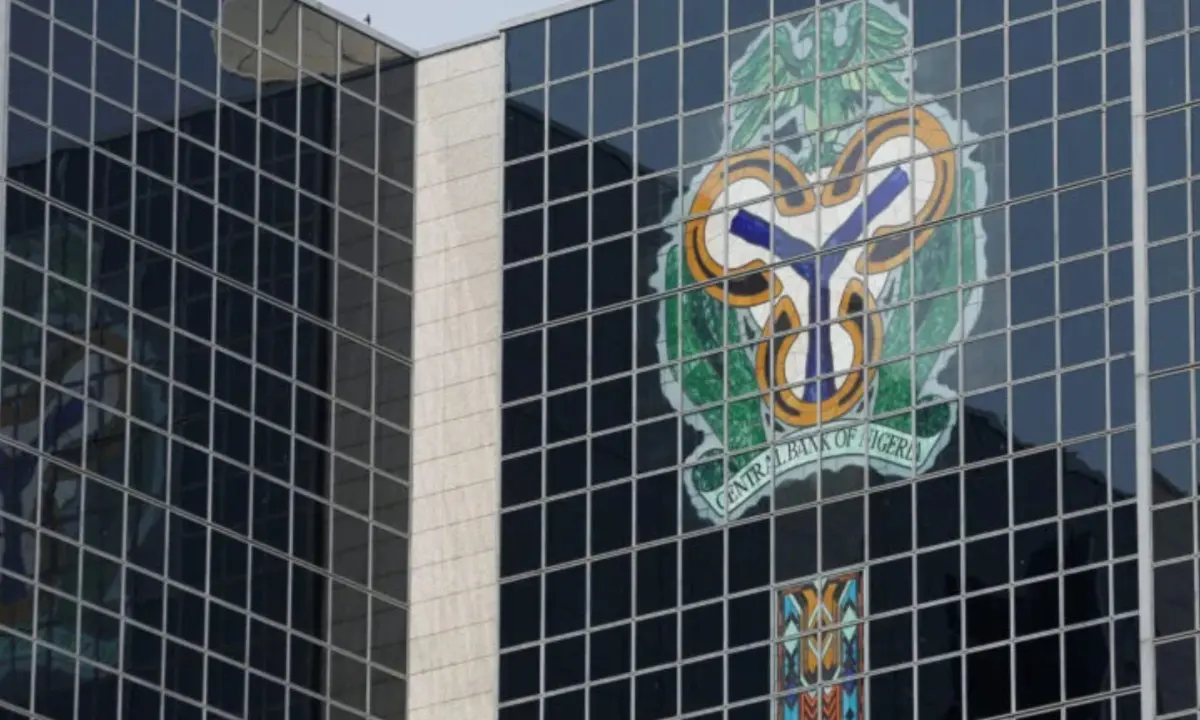
An economist has described the Central Bank of Nigeria’s decision to revoke the operating licences of 46 microfinance banks as an indication of serious regulatory and financial concerns within the affected institutions.
The CBN announced on Wednesday that it had withdrawn the licences of the banks with effect from July 1, 2026, after they failed to meet the regulatory requirements for continued operations under the Banks and Other Financial Institutions Act (BOFIA), 2020.
Among the affected institutions are 13 microfinance banks based in Kano State, raising concerns among customers, depositors and small business owners who rely on the banks for access to credit.
Speaking with DAILY POST, economist and lecturer in the Department of Economics and Development Studies at the Federal University Dutse, Dr Abdulnasir Turawa Yola, said the apex bank would not revoke a financial institution’s licence without identifying serious shortcomings.
“Whenever a bank’s licence is revoked, it means the CBN has detected a problem. It could be that the institution no longer meets the required capital base, or it may be facing serious management and corporate governance challenges,” he said.
He explained that although the Nigeria Deposit Insurance Corporation (NDIC) provides protection for depositors, customers may still suffer financial losses depending on the amount held in the failed institutions.
“When a bank’s licence is withdrawn, there are consequences. Although the NDIC compensates depositors, it is not always 100 per cent of their funds. Creditors are usually settled first, followed by depositors, while shareholders are often the last to be considered,” he added.
The affected Kano-based institutions include Zain Microfinance Bank, Bompai Microfinance Bank, Ajwa Microfinance Bank, NOW Digital Microfinance Bank, Minjibir Microfinance Bank, Shanono Microfinance Bank, Sumaila Microfinance Bank, Rimin Gado Microfinance Bank, Sycamore Microfinance Bank, Tofa Microfinance Bank, Kanopoly Microfinance Bank, Bellbank Microfinance Bank and Esteem Microfinance Bank.
While some residents believe the closures will have limited impact because the banks serve relatively small customer bases, others fear the development could reduce access to affordable loans.
A small-scale trader, Ibrahim Sulaiman, said microfinance banks play a vital role in supporting entrepreneurs.
“These banks often give us loans without much difficulty. Commercial banks have stricter conditions, making it hard for people like us to qualify,” he said.
Officials of the affected banks were unavailable for comment.
Related stories
 News
News
NNPC Revenue Falls by N636bn Despite Stable Oil Production
NNPC’s May revenue declined by N636 billion despite stable oil production, while profit also fell as the company advanced key gas infrastructure projects and intensified efforts to improve operations.
 News
News
Venezuela Earthquake: Three-Year-Old Rescued Alive After Six Days
A three-year-old child has been rescued alive six days after Venezuela’s devastating earthquakes, as the death toll approaches 2,000 and humanitarian agencies intensify relief efforts across affected communities.
 News
News
Tinubu Reels Out Administration’s Health Sector Gains
President Bola Tinubu says his administration has expanded health insurance, revitalised primary healthcare centres, trained thousands of workers and improved maternal healthcare through wide-ranging reforms across Nigeria.
 News
News
Nigerian Govt Slashes Vehicle Import Levies, Introduces Green Tax
The Federal Government has reduced vehicle import levies and introduced a Green Tax, but auto dealers say uncertainty over the surcharge may determine whether car prices actually decline.
Comments (0)
Leave a comment
All comments are moderated before publishing. Your email is never published.