
Breastfeeding: Why It Matters and How to Make It Work
As World Breastfeeding Week begins, health experts are urging mothers and communities to support early initiation, proper latching and sustained breastfeeding to protect infant and maternal health. [unicefusa](https://www.unicefusa.org/what-unicef-does/childrens-health/breastfeeding) *** Health experts are using World Breastfeeding Week 2026 to re-emphasise the critical role of breastfeeding in pr
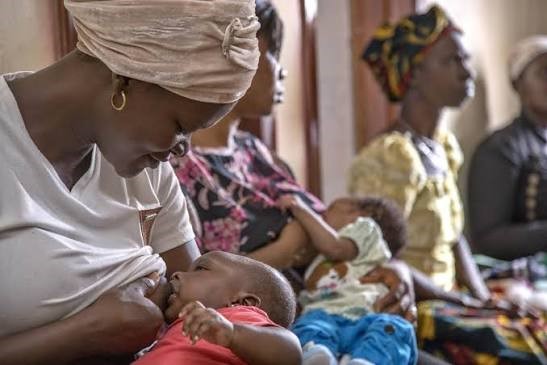
Health experts are using World Breastfeeding Week 2026 to re-emphasise the critical role of breastfeeding in protecting the health of mothers and babies, while calling for stronger community and policy support to help more women meet their breastfeeding goals.
Breast milk is widely recognised as the best first food for most infants. It provides ideal nutrition, supports brain development and helps protect babies from infections in the first months of life. The World Health Organization and other global health bodies recommend exclusive breastfeeding for about the first six months, followed by continued breastfeeding alongside appropriate complementary foods for up to two years or beyond.
In Nigeria, state governments and development partners have marked the week with advocacy campaigns. In Benue, for example, mothers shared their experiences with exclusive breastfeeding as the state government and UNICEF marked World Breastfeeding Week, urging more women to embrace the practice. The message is consistent: breastfeeding saves lives, reduces illness and supports long-term health, but mothers often need practical help to succeed.
Research shows that breastfed babies are less likely to develop diarrhoea, respiratory infections, ear infections and stomach bugs, and they often have fewer hospital visits in the first year of life. Breast milk contains antibodies and immune-supporting components such as IgA, lactoferrin and human milk oligosaccharides that help protect infants from germs and support a healthy gut.
Longer-term benefits are also documented. Studies link breastfeeding to lower risks of obesity, asthma, type 1 diabetes, certain childhood leukaemias and sudden infant death syndrome. Some research also suggests associations with better sleep patterns and a lower risk of ADHD symptoms in early childhood.
Mothers gain health advantages too. Breastfeeding helps the uterus contract after delivery, reducing postpartum bleeding. Over time, women who breastfeed longer have lower rates of breast and ovarian cancer, type 2 diabetes, high blood pressure and cardiovascular disease. Many also find it easier to return to their pre-pregnancy weight because lactation uses extra calories.
Despite the benefits, many mothers stop breastfeeding earlier than they intended. Global data suggest about 60 per cent of mothers do not breastfeed as long as they plan, often citing pain, concerns about low milk supply, work pressures and lack of support. In Nigeria and other low-resource settings, additional barriers include limited access to skilled lactation support, cultural myths and inadequate workplace policies.
Common myths persist in some communities. Some mothers have been told that colostrum is “dirty” or that giving water or formula in the first days is necessary. Evidence shows that colostrum is rich in antibodies and nutrients, and that healthy newborns do not need extra fluids in the first days if breastfeeding is well established.
Health workers advise mothers to start breastfeeding within the first hour after birth, when the baby is alert and eager to feed. Early skin-to-skin contact helps stimulate milk production and encourages the baby to latch.
A good latch is crucial. Signs include the baby’s mouth wide open, taking more of the areola than just the nipple, lips flanged outward, rhythmic swallowing and a gentle tug rather than sharp pain. If breastfeeding is painful or the baby struggles to feed, seeking help from a lactation specialist or healthcare provider early can prevent bigger problems.
Newborns typically need to feed 8–12 times a day. Mothers are encouraged to watch for early hunger cues such as rooting, hand-to-mouth movements, lip smacking and restlessness, and to feed before the baby becomes very upset.
Self-care also matters. Breastfeeding mothers need extra calories, protein, vitamins, minerals and fluids. Keeping water nearby, eating balanced meals and resting when possible can help maintain milk supply.
Experts stress that breastfeeding is not something mothers should do alone. They call on partners, families, employers and communities to create enabling environments. That includes encouraging early initiation, supporting mothers in public spaces and workplaces and ensuring access to accurate information and skilled help.
World Breastfeeding Week serves as a reminder that while breastfeeding is a personal choice, it is also a public health priority. When communities normalise breastfeeding and provide practical assistance, more mothers are able to meet their goals. That matters because even small increases in breastfeeding duration can prevent thousands of child and maternal deaths globally each year. [unicefusa](https://www.unicefusa.org/what-unicef-does/childrens-health/breastfeeding)
Sponsored

Related stories
 Health
Borno Hires 2,000 Health Workers, Still Faces Staff Shortage
Borno State has recruited nearly 2,000 doctors, nurses and other health professionals in two years, but the head of its contributory health agency says manpower gaps persist as demand grows under the state health insurance scheme.
 Health
Lassa Fever Kills 268 in Nigeria as Cases Hit 1,138
Nigeria has recorded 1,138 confirmed Lassa fever cases and 268 deaths across 24 states in 2026, with the case fatality rate rising to 23.6 per cent—significantly higher than the 18.6 per cent recorded during the same period in 2025. The NCDC has identified five states accounting for 88 per cent of all confirmed cases, as it intensifies preparedness efforts ahead of the peak transmission season.
 Health
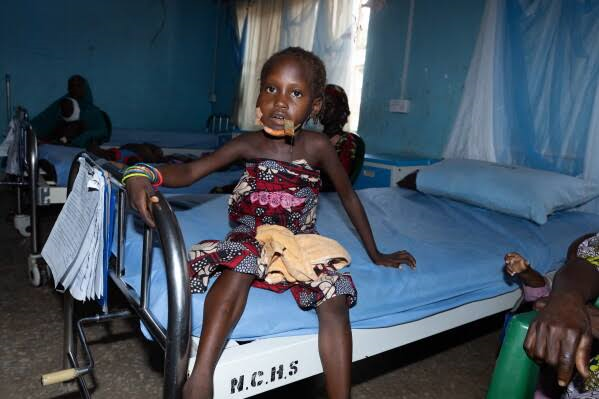
MSF Calls for Routine Noma Surveillance in Nigeria
Doctors Without Borders says noma, a fast-moving and often fatal facial infection linked to malnutrition and poverty, remains largely missing from Nigeria's routine child health programmes despite its 2023 recognition as a neglected tropical disease.
 Health
Oyo Rejects Diphtheria Outbreak Claims, Accuses APC
The Oyo State Government has dismissed claims by the Senator Sharafadeen Alli Campaign Organisation that diphtheria has affected 16 local government areas, describing the allegation as false and politically motivated. Commissioner for Health Dr. Oluwaserimi Ajetunmobi confirmed that while suspected cases have been recorded in 10 LGAs, none have been confirmed, and accused the APC campaign group of distorting immunisation data to score political points.
Comments (0)
Leave a comment
All comments are moderated before publishing. Your email is never published.