
Benue Dismisses Suspected Mpox in Kornya
Benue State has ruled out a suspected Mpox outbreak in Korinya, saying investigations showed the reported cases were actually consistent with chickenpox
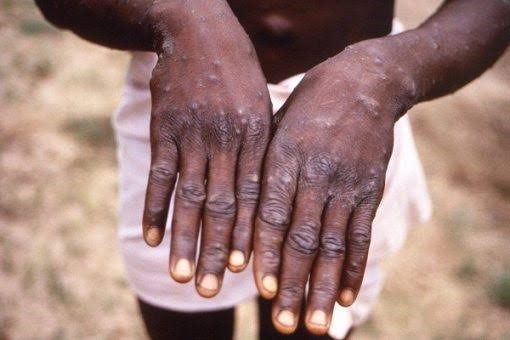
Benue has dismissed reports of a suspected Mpox outbreak in Korinya community, saying the cases under review were actually consistent with chickenpox. The state government said its investigation found no evidence of monkeypox in the area after health officers visited the community and examined the reported illnesses.
The clarification came after a public alert raised concern that a possible Mpox outbreak might be spreading in Konshisha Local Government Area. In response, the Ministry of Health and Human Services deployed its surveillance team, including the state epidemiologist and World Health Organisation community monitors, to carry out an on-the-ground assessment.
According to the state government, the health workers met two adults who had earlier developed fever and a skin rash. Both had already been treated at a private health facility and were reportedly recovering. Officials said the rash had dried and crusted, a pattern that pointed more strongly to chickenpox than Mpox.
The ministry said other clinical signs also did not match Mpox. In particular, the patients did not show lesions on the palms, soles or inside the mouth, and investigators found no clear epidemiological link to any confirmed or suspected Mpox case. On that basis, the government concluded that the illness should not be classified as a Mpox outbreak.
That distinction matters because Mpox and chickenpox can look similar at first glance, especially when rashes and fever are involved. But public health authorities rely on patterns of symptoms, contact tracing and laboratory or field investigation to separate one from the other. In this case, Benue officials said the evidence supported a chickenpox diagnosis rather than a monkeypox alert.
The government also moved quickly to prevent panic. Health authorities said they were continuing active surveillance in Korinya and neighboring communities so any new cases would be detected early. That approach is intended to reassure residents while still keeping watch for any actual outbreak that may emerge later.
The response reflects a broader lesson in public health: early reports can be alarming, but not every cluster of symptoms is the disease people fear. Fever and rash illnesses have several possible causes, and accurate diagnosis depends on careful investigation rather than rumor or assumption. In rural communities especially, word of mouth and social media can spread anxiety faster than health workers can verify the facts.
Benue’s statement suggests officials are trying to strike a balance between caution and calm. They did not dismiss the report lightly; instead, they treated it as a legitimate alert, sent personnel to investigate and then publicly explained why they ruled out Mpox. That kind of transparency can help reduce misinformation and build trust in health messaging.
It also shows the importance of local surveillance systems. When community members notice unusual symptoms, rapid reporting gives officials a chance to check the situation before it becomes a wider crisis. In this case, the investigation appears to have worked as intended: the state examined the reports, found another likely cause and kept monitoring in case the situation changes.
For residents of Korinya, the immediate concern now is not Mpox but continued observation and proper treatment if more rashes or fevers appear. The state’s message is that the community should stay alert, but there is no confirmed monkeypox outbreak at this time.
Sponsored

Related stories
 Health
Borno Hires 2,000 Health Workers, Still Faces Staff Shortage
Borno State has recruited nearly 2,000 doctors, nurses and other health professionals in two years, but the head of its contributory health agency says manpower gaps persist as demand grows under the state health insurance scheme.
 Health
Lassa Fever Kills 268 in Nigeria as Cases Hit 1,138
Nigeria has recorded 1,138 confirmed Lassa fever cases and 268 deaths across 24 states in 2026, with the case fatality rate rising to 23.6 per cent—significantly higher than the 18.6 per cent recorded during the same period in 2025. The NCDC has identified five states accounting for 88 per cent of all confirmed cases, as it intensifies preparedness efforts ahead of the peak transmission season.
 Health
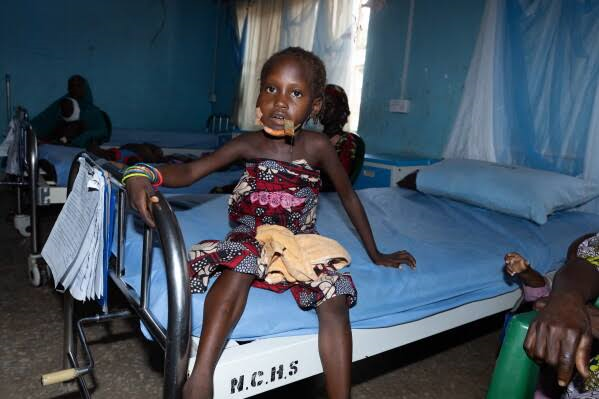
MSF Calls for Routine Noma Surveillance in Nigeria
Doctors Without Borders says noma, a fast-moving and often fatal facial infection linked to malnutrition and poverty, remains largely missing from Nigeria's routine child health programmes despite its 2023 recognition as a neglected tropical disease.
 Health
Oyo Rejects Diphtheria Outbreak Claims, Accuses APC
The Oyo State Government has dismissed claims by the Senator Sharafadeen Alli Campaign Organisation that diphtheria has affected 16 local government areas, describing the allegation as false and politically motivated. Commissioner for Health Dr. Oluwaserimi Ajetunmobi confirmed that while suspected cases have been recorded in 10 LGAs, none have been confirmed, and accused the APC campaign group of distorting immunisation data to score political points.
Comments (0)
Leave a comment
All comments are moderated before publishing. Your email is never published.