
Banks Face N100m Penalty for Forex Violations
The Central Bank of Nigeria has introduced a N100 million penalty for banks processing foreign exchange transactions without proper documentation as part of sweeping reforms to strengthen market compliance.
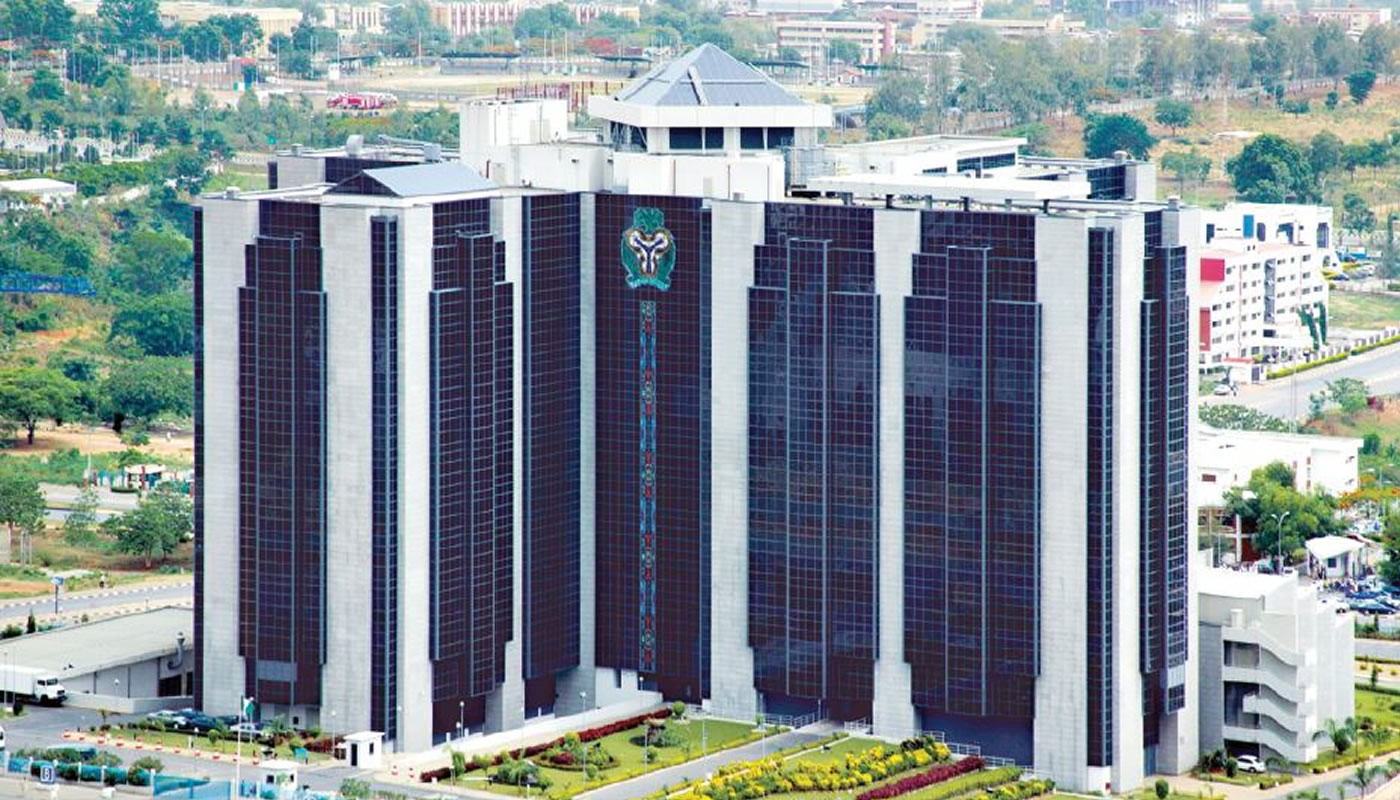
The Central Bank of Nigeria (CBN) has introduced a N100 million penalty for banks that process foreign exchange transactions without adequate documentation, as part of a revised compliance framework contained in its newly released Foreign Exchange Manual.
The sanction was outlined in the fourth edition of the manual, which serves as a regulatory guide for banks, authorised dealers, exporters, investors, and other participants in Nigeria’s foreign exchange market.
According to the apex bank, authorised dealers found consummating foreign exchange transactions with insufficient documentation will face a N100 million fine in addition to a N10 million penalty for each affected transaction.
The revised manual, released by the CBN’s Trade and Exchange Department in May 2026, represents the first major review of the framework since 2017 and is aimed at strengthening transparency, compliance, and accountability in the foreign exchange market.
Beyond the N100 million sanction, the framework introduces stricter penalties for several categories of violations. Banks that exceed approved Net Open Position limits will face escalating sanctions ranging from warning letters to temporary suspension from the foreign exchange market.
The CBN also tightened reporting requirements, directing banks to submit daily foreign exchange transaction returns by 10 a.m. for the previous day and monthly returns within five working days after month-end.
Failure to comply will attract penalties, including a N500,000 fine for late submission of returns and a minimum N5 million penalty for non-submission, alongside an additional N500,000 daily fine for continuing violations.
The apex bank warned that unauthorised reallocation of foreign exchange funds could result in monetary sanctions, suspension of authorised dealership licences, or outright licence revocation, depending on the severity of the offence.
Importers were also affected by the new measures. The manual requires Exchange Control Documents to be submitted within 90 days of negotiating shipping documents. Defaulters risk restrictions from foreign exchange transactions, with penalties increasing for repeated violations and culminating in a complete market ban after a fourth offence.
For exporters, non-oil export proceeds must be repatriated within 180 days, while oil and gas export proceeds must be received within 90 days. Failure to comply attracts financial penalties for both exporters and banks.
The revised framework also introduces operational reforms, including increasing allowable advance payment for imports from 15 per cent to 30 per cent, removing processing fees for export Form NXP, and simplifying certain remittance procedures.
CBN Governor, Olayemi Cardoso, said the reforms reflect the bank’s commitment to strengthening macroeconomic stability, improving transparency, and modernising Nigeria’s foreign exchange administration.
Sponsored

Related stories
 News
News
Police Arrest Three Suspects over Drug Possession, Child Defilement in Bauchi
Bauchi Police have arrested two men over suspected Indian hemp possession and a 20-year-old man over the alleged defilement of a seven-year-old girl in Dass.
 News
News
Oyo Government Denies Diphtheria Outbreak Claims, Says No Cases Confirmed
The Oyo State Government says no diphtheria cases have been confirmed, dismissing claims by an APC campaign organisation while outlining measures to manage suspected cases.
 News
News
Haitian-Canadian Novelist Denies Using AI to Write Debut Novel
Haitian-Canadian author Thélyson Orélien has denied using artificial intelligence to write his acclaimed debut novel, while admitting to past plagiarism and describing the controversy surrounding his work as deeply distressing.
 News
News
Fubara Commends IGP Disu for Neutrality During Rivers Crisis
Rivers State Governor Siminalayi Fubara has commended the Inspector-General of Police, Mr Olatunji Disu, for maintaining neutrality and professionalism while serving as Commissioner of Police in the state during its political crisis.
Comments (0)
Leave a comment
All comments are moderated before publishing. Your email is never published.