
Bank of Agriculture, WACOT Target 10,000 Jigawa Farmers With Sesame Outgrower Programme
WACOT Limited and the Bank of Agriculture have launched the 2026 Sesame Outgrower Programme in Jigawa State, targeting over 10,000 smallholder farmers with input loans, extension services and guaranteed off-take under the Renewed Hope Smallholder Support and Value Chain Programme.
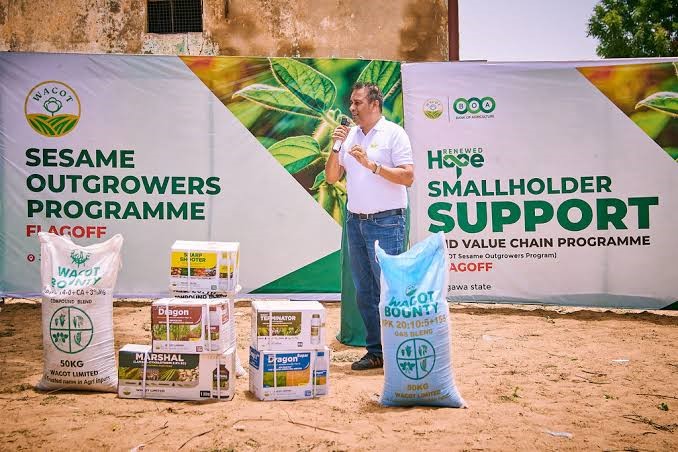
WACOT Limited, a subsidiary of TGI Group, in partnership with the Bank of Agriculture (BoA), has kicked off its 2026 Sesame Outgrower Programme in Jigawa State, targeting more than 10,000 smallholder farmers with improved access to finance, quality inputs, extension services and sustainable farming practices.
The programme, implemented under the Federal Government’s Renewed Hope Smallholder Support and Value Chain Programme, commenced with the distribution of agricultural inputs to farmers in Medu Village, Gagarawa Local Government Area of the state.
Under the new partnership with BoA, participating farmers will receive input loans and repay them with farm produce after harvest, rather than making cash repayments.
Extension services will also be provided to help farmers improve productivity, crop quality and long-term sustainability through better agronomic practices and climate-smart techniques.
The partnership covers other crops and states, including rice farmers in Kebbi State and maize and soybean farmers in Katsina State, as part of a broader effort to strengthen agricultural value chains across northern Nigeria.
In a press statement, WACOT said the initiative, which began in 2018 as a pilot scheme, has expanded into one of Nigeria’s major contract farming programmes, covering over 10,000 farmers across eight local government areas in Jigawa.
Over the past seven years, WACOT said it had provided more than N1 billion in input credit, including certified seeds, fertilisers and crop protection products, alongside technical support through its Farmers Academy and extension services.
The programme emphasises increasing the participation of women and youths while promoting climate-smart and sustainable farming practices to improve yields and incomes.
According to WACOT, the sesame outgrower scheme guarantees off-take of farmers’ produce, provides inputs on credit, offers extension support on demo farms and individual plots, and trains farmers on good agricultural practices and yield enhancement techniques.
At harvest, the crop is purchased at prevailing market prices, giving farmers a ready market and reducing the risk of post-harvest losses or distress sales.
The Bank of Agriculture, represented by Executive Director, Operations and Technology, Tosin Salami, explained that the intervention is a concessionary loan scheme with a single-digit interest rate of nine per cent, funded through Federal Government intervention.
Each input package is valued at about N500,000 and comprises improved seeds, two to three bags of fertiliser and about 20 litres of agrochemicals, with farmers expected to generate returns of up to N1.5 million after harvest.
The facilities have a nine-month repayment period and are channelled through accredited farmer aggregation companies, including WACOT Limited, instead of being disbursed directly to individual farmers, to ensure effective implementation and accountability.
Salami said the nationwide intervention is expected to reach more than two million smallholder farmers across over 20 states through the supply of more than 10 million bags of fertiliser, improved seeds and structured financing, with women accounting for over one-third of the beneficiaries.
Approximately 200,000 farmers are targeted during the current wet season, with the target projected to increase to 500,000 during the dry season as the programme expands across the country.
Managing Director of WACOT Limited, Naveen Chaurasia, reaffirmed the company’s commitment to supporting farmers with quality agricultural inputs, improved production techniques and structured out-grower programmes for sesame, rice and soybean cultivation.
For Jigawa farmers, the scheme offers an opportunity to move from subsistence production to more commercially oriented farming, with access to certified inputs, technical guidance and a guaranteed market for their sesame harvest.
Sponsored

Related stories
 Agriculture
Babalola’s Farmer Support Hits N98m
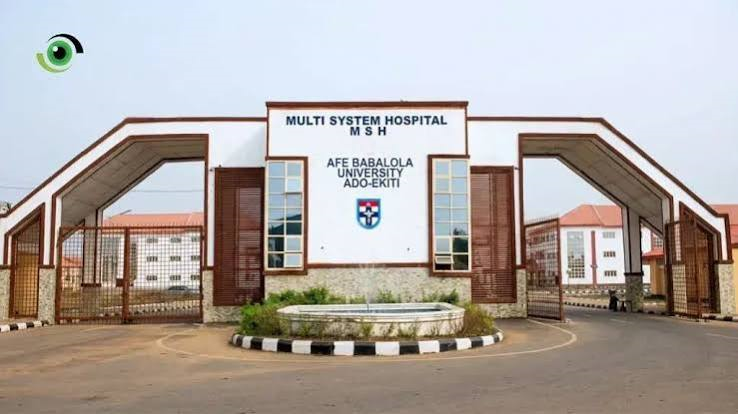
Legal icon Aare Afe Babalola has disbursed N11.2 million to 81 outstanding farmers across Ekiti State's 16 local government areas, bringing total awards under his annual agricultural scheme since 2015 to N98 million.
 Agriculture
FG Launches African Swine Fever Control Campaign in Southwest
The Federal Government has launched a major African Swine Fever control and biosecurity campaign at the Oke-Aro Pig Farm Estate, distributing protective kits to farmers and pledging comprehensive training to prevent future outbreaks. The intervention by the Livestock Productivity and Resilience Support Project (L-PRES) targets one of Nigeria's largest pig production clusters, which has suffered devastating losses from the highly contagious disease in the past.
 Agriculture
Kyari: More Farmland Won’t Feed 400 Million Nigerians
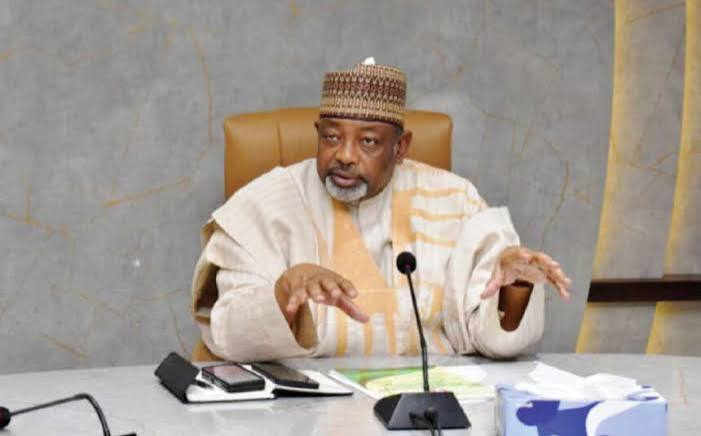
Agriculture Minister Abubakar Kyari says Nigeria must treat agricultural extension as critical infrastructure, disclosing that over 100,000 farmers already receive weekly digital advisories as the country's population heads toward 400 million by 2050.
 Agriculture
Farmland Expansion Alone Won’t Feed Nigeria
Agriculture Minister Abubakar Kyari says Nigeria must shift to demand-driven, AI-enabled agricultural extension services to boost farm yields, warning that expanding farmland alone can no longer feed the country's growing population.
Comments (0)
Leave a comment
All comments are moderated before publishing. Your email is never published.