
APM Faults Tinubu’s Reforms, Laments Economic Hardship
APM says Tinubu’s reforms have deepened hardship, citing rising costs, business closures, unemployment and poverty.
The Allied Peoples Movement, APM, has criticised economic reforms introduced by President Bola Tinubu’s administration, saying the policies have contributed to worsening hardship across Nigeria.
The party’s reaction followed comments by Minister of Budget and Economic Planning Abubakar Bagudu, who acknowledged that the reforms, alongside global economic pressures, had contributed to cost-of-living challenges facing citizens.
In a statement, APM National Publicity Secretary Abubakar Yusuf said the minister’s remarks supported the party’s earlier warnings about the consequences of the government’s economic direction.
The party said Nigerians were facing rising living costs, business closures, unemployment and increasing difficulty in meeting basic needs, including food and healthcare.
APM criticised the removal of the petrol subsidy, the floating of the naira and increased taxation, arguing that the measures were implemented without sufficient safeguards to protect households and businesses.
According to APM, the government should have anticipated the effects of its policies and introduced stronger measures to cushion citizens from rising prices and declining purchasing power.
Bagudu, however, said the reforms were necessary to strengthen Nigeria’s public finances and establish conditions for sustainable and inclusive economic growth.
The minister acknowledged that the government did not anticipate the scale of the economic turbulence that followed the reforms, but attributed part of the pressure to global uncertainties, conflicts, international trade disruptions and tariff-related developments.
He also said the reforms had increased revenues available to the three tiers of government, giving states and local governments greater resources to fund infrastructure, education, security and other responsibilities.
He also said the government was targeting a $1tn economy by 2030 through the 2026–2030 National Development Plan.
APM maintained that increased government revenue should be matched by visible improvements in the lives of Nigerians.
It argued that reforms should also be judged by their effects on employment, household purchasing power and access to essential goods.
The disagreement highlights the continuing debate over the economic consequences of the Tinubu administration’s reforms and whether recent fiscal gains are translating into relief for citizens.
APM said government revenue should be used to effectively support productive sectors, protect vulnerable households and improve economic opportunities nationwide. It urged greater attention to immediate social impact.
The party’s position contrasts with the Federal Government’s argument that the reforms, despite short-term pressures, are intended to strengthen public finances and create conditions for longer-term economic stability and growth.
Sponsored

Related stories
 Politics
Fuel Discount: Atiku Accuses Tinubu of Turning NNPCL Into Campaign Money Cashier
Atiku has accused Tinubu’s administration of using NNPCL’s petrol discount for political advantage ahead of the 2027 general election.
 Politics
2027: NDC to Inaugurate Presidential Council October 20
The Nigeria Democratic Congress will inaugurate its Presidential Campaign Council on October 20 as it intensifies preparations for the 2027 general elections.
 Politics
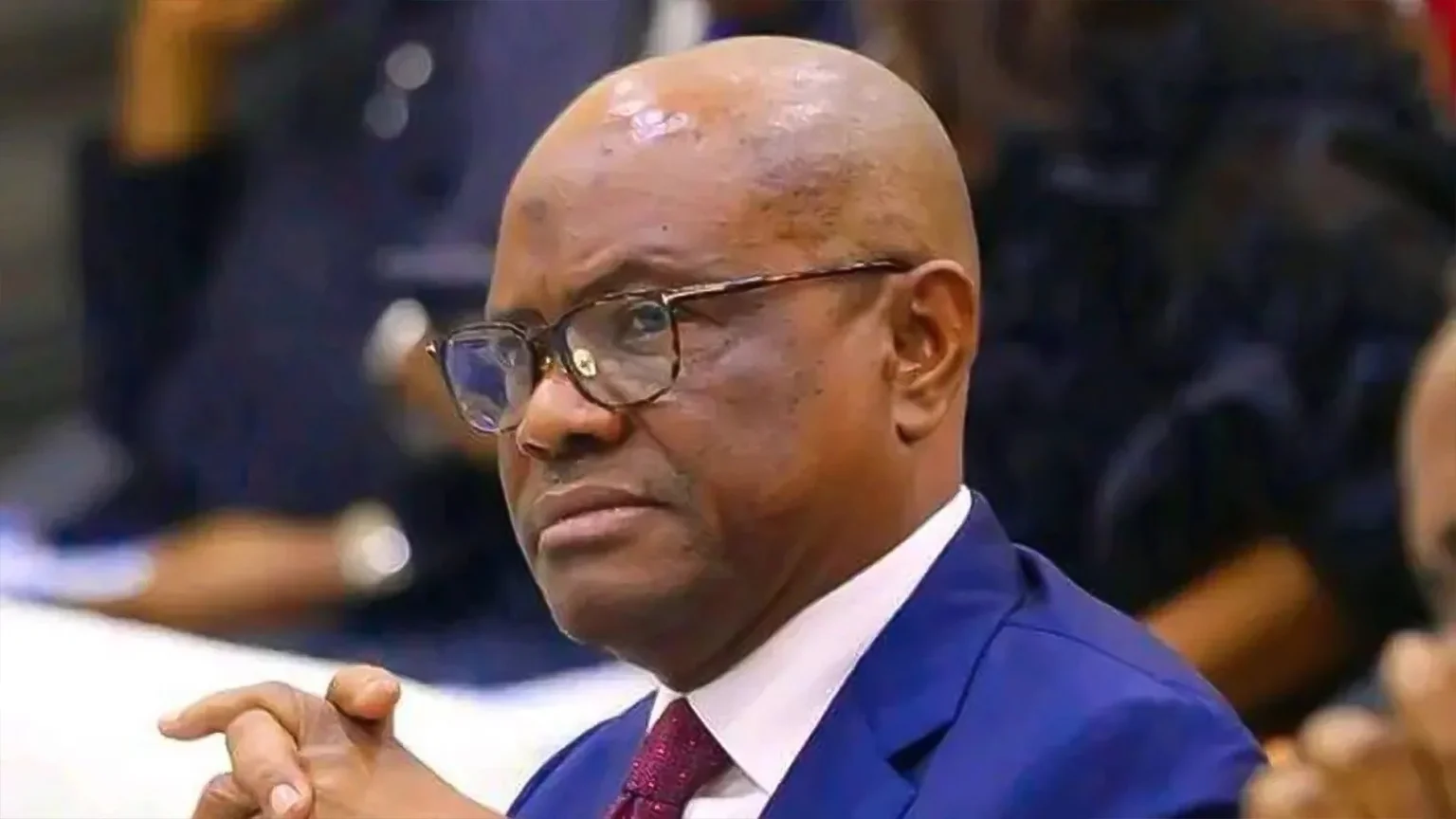
2027: Wike Threatens to Block Amaechi’s Campaign in Rivers Over Tinubu Insults
Wike warned Amaechi could face campaign difficulties in Rivers if he continues attacking Tinubu’s supporters.
 Politics
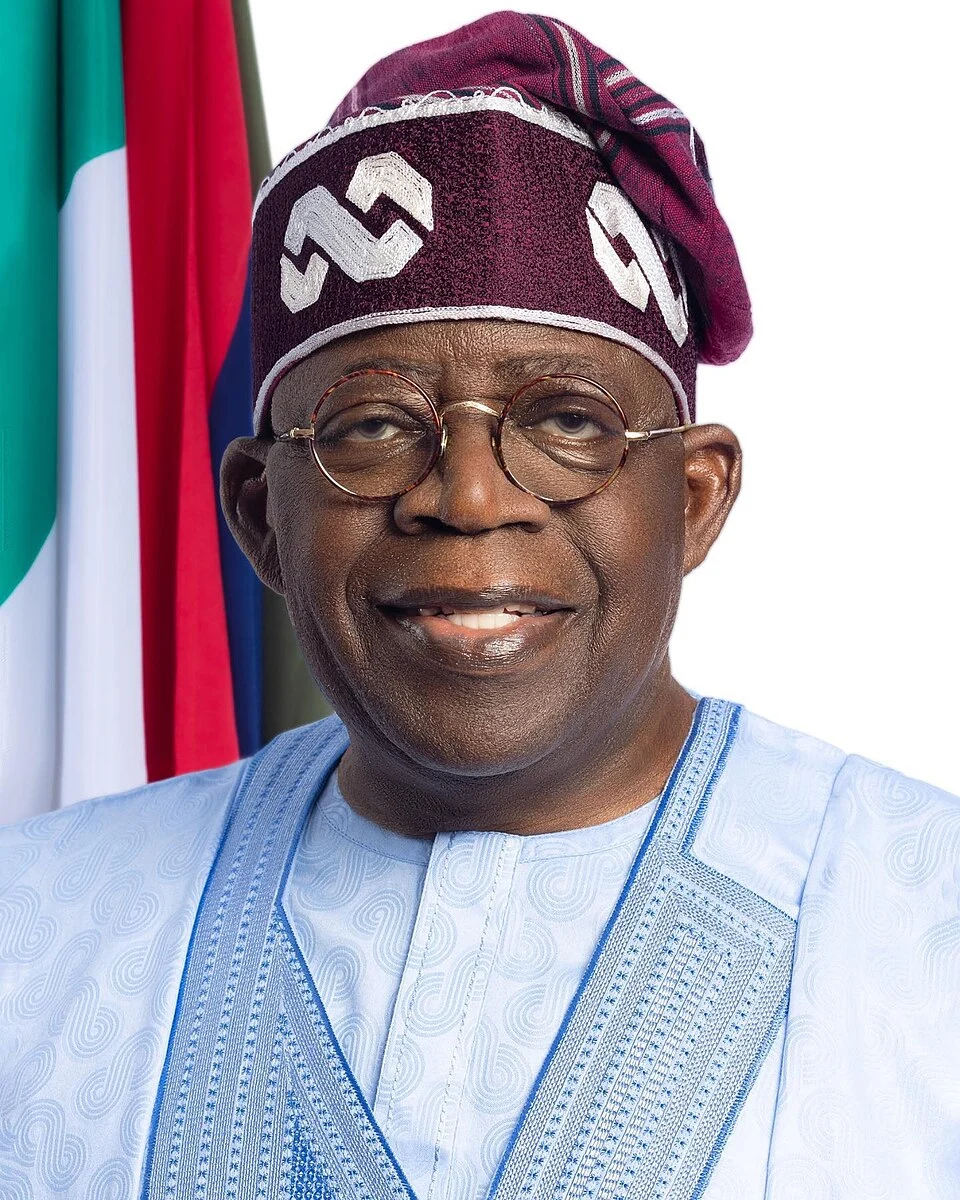
2027: Tinubu Kicks Off Campaign in Kaduna October 24
Yari says Tinubu will officially launch his 2027 re-election campaign in Kaduna on October 24.
Comments (0)
Leave a comment
All comments are moderated before publishing. Your email is never published.