
Alleged US Drug Trafficking: Tinubu’s Records’ll Be Disclosed But Important Aspect Hidden — Ejimakor
Ejimakor says Tinubu’s US records may emerge publicly, but sensitive details could remain withheld under FOIA protections.

Special Counsel to Nnamdi Kanu, leader of the Indigenous People of Biafra, Aloy Ejimakor, has said records concerning President Bola Tinubu in an ongoing United States Freedom of Information Act lawsuit may be disclosed, but some sensitive details could remain withheld.
Ejimakor made the disclosure on Tuesday while reacting to a US federal court’s decision to allow the Federal Bureau of Investigation to conduct an ex parte review of sensitive records relating to Tinubu.
The lawyer said the records that eventually become public could contain information with limited political significance, while details considered sensitive or capable of compromising protected interests may be redacted.
His comments followed an application by the FBI seeking permission to explain under seal why releasing certain records concerning Tinubu could potentially endanger individuals or reveal sensitive law enforcement methods.
In a statement titled, “Analysing FBI’s Stonewall on President Tinubu’s US Records,” Ejimakor said the FBI’s request for an ex parte review raised an additional issue: that publicly explaining the justification for withholding the records could itself compromise the interests the agency was seeking to protect.
He explained that the FBI’s position could be linked to provisions of the US FOIA that permit law enforcement records to be withheld when disclosure could reasonably be expected to endanger the life or physical safety of an individual.
Ejimakor referenced FOIA Exemption 7(F), contained in 5 U.S.C. § 552(b)(7)(F), which allows agencies such as the FBI to withhold certain law enforcement records where disclosure could reasonably be expected to endanger an individual’s life or physical safety.
According to the lawyer, the legal threshold does not require authorities to establish that harm is certain to occur. Rather, courts consider whether there is a reasonable expectation that disclosure could result in such harm.
Ejimakor cited a 2014 decision of the US Court of Appeals for the District of Columbia Circuit to support his explanation of the applicable legal standard.
He maintained that the FBI’s request for a confidential review does not necessarily mean the records will remain entirely inaccessible, but indicates that some information may be subject to restrictions because of safety or law enforcement concerns.
The development forms part of an ongoing FOIA litigation concerning the release of US records relating to Tinubu and alleged past activities in the country.
Sponsored

Related stories
 Politics
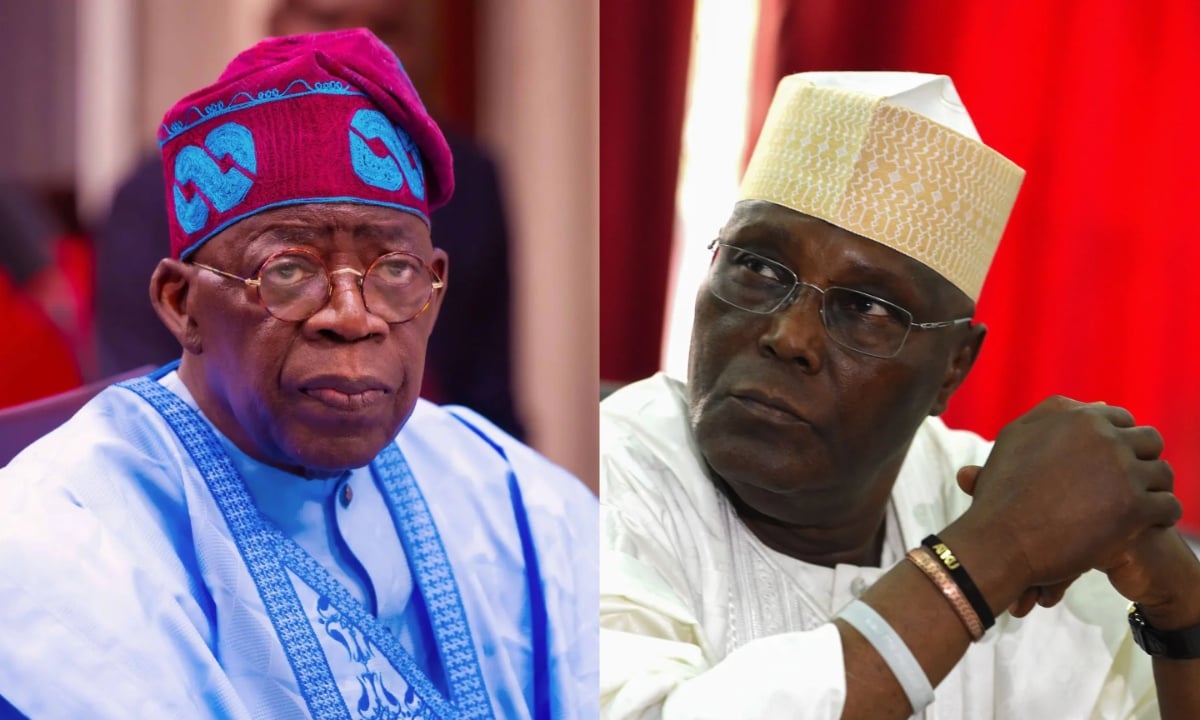
Fuel Discount: Atiku Accuses Tinubu of Turning NNPCL Into Campaign Money Cashier
Atiku has accused Tinubu’s administration of using NNPCL’s petrol discount for political advantage ahead of the 2027 general election.
 Politics
2027: NDC to Inaugurate Presidential Council October 20
The Nigeria Democratic Congress will inaugurate its Presidential Campaign Council on October 20 as it intensifies preparations for the 2027 general elections.
 Politics
2027: Wike Threatens to Block Amaechi’s Campaign in Rivers Over Tinubu Insults
Wike warned Amaechi could face campaign difficulties in Rivers if he continues attacking Tinubu’s supporters.
 Politics
2027: Tinubu Kicks Off Campaign in Kaduna October 24
Yari says Tinubu will officially launch his 2027 re-election campaign in Kaduna on October 24.
Comments (0)
Leave a comment
All comments are moderated before publishing. Your email is never published.