
Africa Must Stop Exporting Raw Materials, Says AfCFTA
The Nigeria AfCFTA Coordination Office has urged African countries to stop exporting raw materials and focus on local value addition to accelerate industrialisation, create jobs and maximise the benefits of the African Continental Free Trade Area.
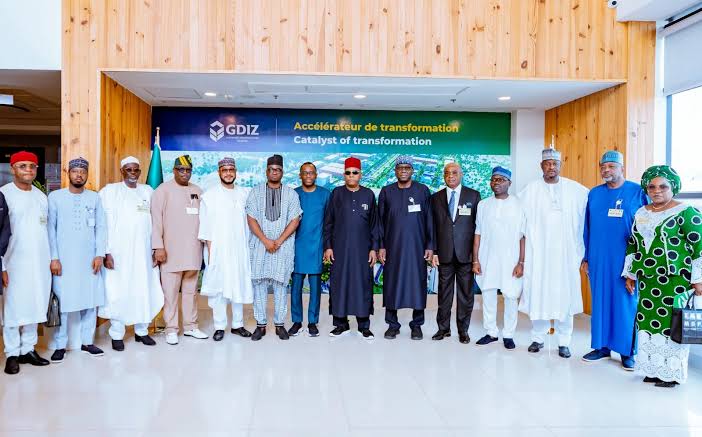
The National Coordinator and Chief Executive Officer of the Nigeria African Continental Free Trade Area (AfCFTA) Coordination Office, Patience Okala, has urged African countries to end the export of raw materials and instead prioritise local processing and value addition to drive industrialisation and sustainable economic growth. She made the call during the Streamsowers & Köhn 20th Anniversary Business Forum, stressing that Africa must maximise the benefits of the AfCFTA by creating more value within the continent.
Okala explained that the AfCFTA is more than a tariff-reduction agreement, describing it as a framework for industrialisation, value addition and job creation. She said Africa's vast natural resources should be processed locally before export, arguing that beneficiation would boost manufacturing, increase exports of finished products and generate greater economic returns for African countries.
According to her, the success of the AfCFTA will not be measured by the number of agreements signed but by how effectively businesses can access new markets, trade seamlessly across borders and take advantage of opportunities created under the continental free trade arrangement. She stressed that implementation, rather than negotiations, is now the priority.
Okala noted that Nigeria has intensified efforts to implement the agreement under the leadership of the Minister of Industry, Trade and Investment, Dr Jumoke Oduwole. She said the Nigeria AfCFTA Coordination Office has developed simplified guides in six languages to help businesses, particularly small and medium-sized enterprises, better understand and benefit from the trade agreement.
She also called for stronger collaboration among governments, regulators and the private sector to remove barriers to trade and investment across Africa. According to her, ensuring that MSMEs, women-owned businesses and young entrepreneurs can fully participate in the AfCFTA will be critical to achieving an integrated and competitive African market.
Sponsored
Related stories
 News
News
Shoprite Set To Open Neighbourhood Stores After Shutdown
Shoprite Nigeria plans to open standalone neighbourhood stores after reopening three outlets, as investors pursue a strategy to cut costs and revive operations.
 News
News
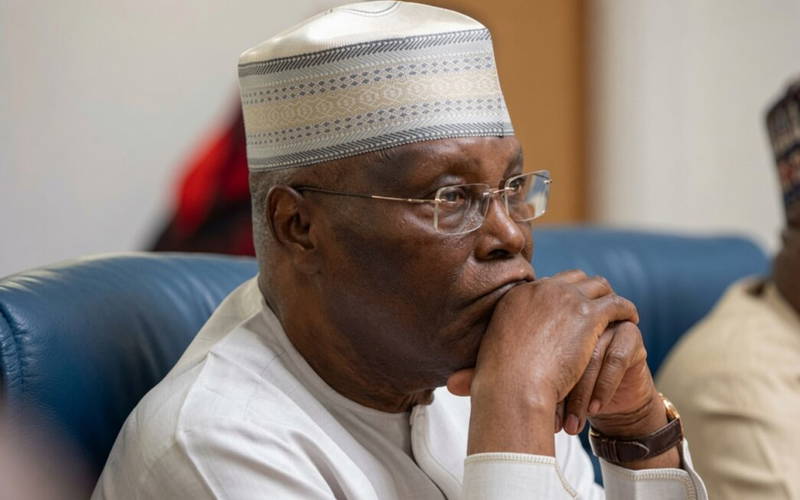
Blaming Opposition For Hunger Is ‘Delusion’ — Atiku Tells Tinubu
Atiku Abubakar has accused President Tinubu of evading responsibility for Nigeria’s economic hardship after blaming opposition politicians for hunger and poverty.
 News
News
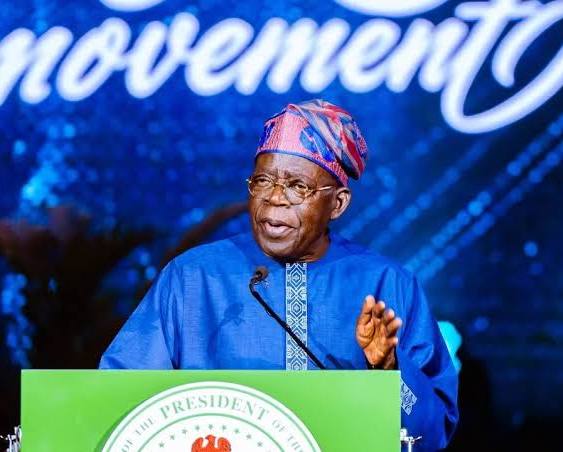
Tinubu Accuses Opposition of Creating Hunger, Poverty
President Bola Tinubu has accused opposition parties of creating the hunger and poverty they now criticise his administration over, insisting that his government is working to eradicate hardship and deliver economic prosperity.
 News
News
UNICEF, Sokoto Target One Million Children for Polio Vaccination
UNICEF and the Sokoto State Government are intensifying efforts to protect children against polio through vaccination, community mobilisation and public awareness, with emphasis on reaching every eligible child and addressing vaccine hesitancy.
Comments (0)
Leave a comment
All comments are moderated before publishing. Your email is never published.