
Abayomi Warns Lagos of Pandemic Flu Threat, Advocates One Health Approach
Lagos State Commissioner for Health, Professor Akin Abayomi, has urged the state to strengthen preparedness for pandemic influenza and other biological threats through closer cooperation among human, animal and environmental health sectors

Lagos State Commissioner for Health, Professor Akin Abayomi, has warned that the state must urgently strengthen its preparedness for future biological, environmental and climate-related emergencies, particularly the threat of pandemic influenza.
Abayomi, who played a key role in coordinating Lagos’ response to the COVID-19 pandemic, said the experience of the outbreak had shown that health threats could no longer be addressed by hospitals and doctors alone. He called for an integrated response involving human health experts, veterinarians, environmental scientists, researchers, government agencies and communities.
The commissioner spoke while delivering the keynote address at the inaugural conference organised by the Faculty of Life Sciences, University of Lagos. The conference was held under the theme, “One Health in a Megacity: Lagos, the Megacity of Africa.”Abayomi said Lagos, as one of Africa’s most densely populated cities, was particularly vulnerable to outbreaks because of its large population, intense human movement, environmental pressures and close interaction between people, animals and ecosystems.
He described biosecurity as a critical instrument for implementing the One Health approach. According to him, a strong biosecurity system would help authorities prevent, detect and respond to pathogens before they become large-scale public health emergencies.
The commissioner warned that the number of outbreaks caused by dangerous pathogens was rising. He listed Lassa fever, Ebola, dengue, yellow fever, multidrug-resistant monkeypox and genetically manipulated pathogens among the threats that required serious attention.
However, he identified pandemic influenza as the threat that concerned him most. Abayomi said many experts believed a pandemic flu outbreak could occur at any time and cautioned that, compared with such an event, the COVID-19 pandemic could appear relatively mild.
“If you thought COVID was bad, COVID will seem like child’s play compared to pandemic flu,” he warned.
The warning reflects concerns among health experts that influenza viruses can spread rapidly through respiratory transmission, especially in crowded urban environments. A highly transmissible strain with severe health effects could place enormous pressure on hospitals, laboratories, supply chains and emergency response systems.
Abayomi urged governments, scientists and health institutions to strengthen preparedness before another major outbreak occurs. He said the lessons from COVID-19 showed that preparedness could not begin after a pathogen had already spread widely.
Key areas of preparedness include early warning systems, laboratory capacity, emergency coordination, reliable disease surveillance and clear public communication. Lagos would also need sufficient supplies, trained health workers and response plans that can be activated quickly when a threat emerges.
The One Health approach promoted at the conference recognises that the health of humans, animals, plants and the environment is closely connected. The approach requires professionals from different sectors to work together in surveillance, research, prevention and response.
Professor Folasade Ogunsola, who also spoke at the event, said climate change, infectious diseases and antimicrobial resistance had made the integration of human, animal, plant and environmental health essential. She said the boundaries between these areas had never been more closely connected.
“The One Health Approach is not merely a concept, it is a necessity,” she said, stressing that the health of people, animals and the environment could not be treated as separate issues.
Professor Ganiyu Oyetibo, Dean of the Faculty of Life Sciences, also called for greater collaboration across academic disciplines and government institutions. He said the increasing connection between human, animal and environmental health required a more coordinated response to emerging global health challenges.
Nigeria has already adopted a One Health strategy that brings together the ministries responsible for health, agriculture and the environment. The national framework covers surveillance and response, training and research, governance, communication and resource mobilisation.
The strategy has also been used in efforts to manage diseases such as avian influenza, Ebola, monkeypox, Lassa fever and yellow fever. However, experts say implementation remains uneven, with gaps in data sharing, funding, coordination and environmental surveillance.
For Lagos, operationalising the approach would require regular communication between health facilities, veterinary authorities, environmental agencies, laboratories and emergency managers. Communities would also need to be involved because residents are often the first to notice unusual illnesses or animal deaths.
Abayomi’s warning therefore goes beyond pandemic flu. It is a call for Lagos to treat health security as a shared responsibility involving people, institutions, animals and the environment.
If the state acts before the next crisis, it could respond more quickly and limit the damage caused by emerging infections. If it waits until an outbreak is already widespread, the cost to lives, livelihoods and the healthcare system could be far greater.
Sponsored

Related stories
 Health
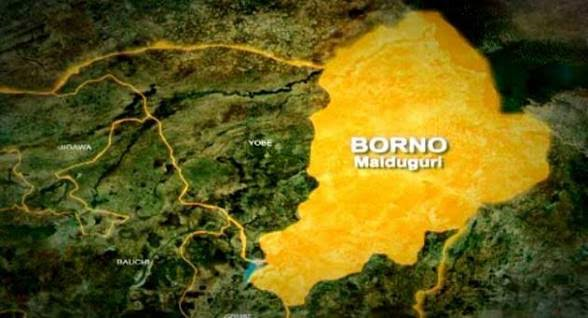
Borno Hires 2,000 Health Workers, Still Faces Staff Shortage
Borno State has recruited nearly 2,000 doctors, nurses and other health professionals in two years, but the head of its contributory health agency says manpower gaps persist as demand grows under the state health insurance scheme.
 Health
Lassa Fever Kills 268 in Nigeria as Cases Hit 1,138
Nigeria has recorded 1,138 confirmed Lassa fever cases and 268 deaths across 24 states in 2026, with the case fatality rate rising to 23.6 per cent—significantly higher than the 18.6 per cent recorded during the same period in 2025. The NCDC has identified five states accounting for 88 per cent of all confirmed cases, as it intensifies preparedness efforts ahead of the peak transmission season.
 Health
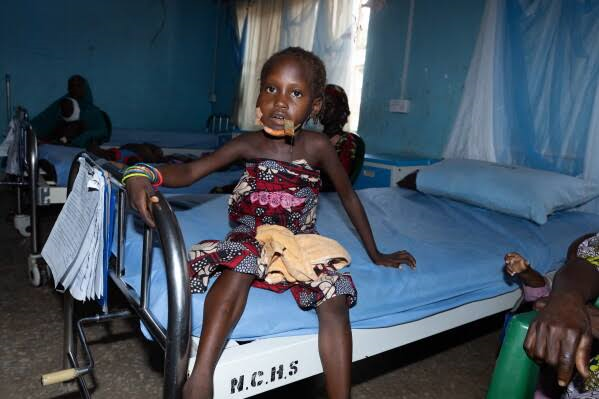
MSF Calls for Routine Noma Surveillance in Nigeria
Doctors Without Borders says noma, a fast-moving and often fatal facial infection linked to malnutrition and poverty, remains largely missing from Nigeria's routine child health programmes despite its 2023 recognition as a neglected tropical disease.
 Health
Oyo Rejects Diphtheria Outbreak Claims, Accuses APC
The Oyo State Government has dismissed claims by the Senator Sharafadeen Alli Campaign Organisation that diphtheria has affected 16 local government areas, describing the allegation as false and politically motivated. Commissioner for Health Dr. Oluwaserimi Ajetunmobi confirmed that while suspected cases have been recorded in 10 LGAs, none have been confirmed, and accused the APC campaign group of distorting immunisation data to score political points.
Comments (0)
Leave a comment
All comments are moderated before publishing. Your email is never published.