
54 Injured, 18 Missing After Catastrophic Explosion at Qatar’s Core Ras Laffan LNG Hub
A powerful explosion at Qatar’s Barzan gas facility has left 54 workers injured and 18 missing, triggering a high-priority international rescue mobilization.
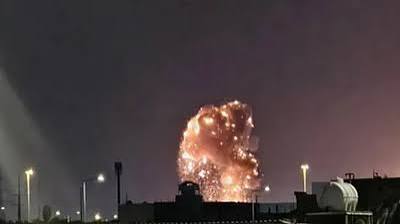
A massive explosion and subsequent fireball ripped through Qatar’s premier liquefied natural gas (LNG) industrial zone on Sunday evening, June 21, 2026. Official statements from Qatar’s Ministry of Interior have confirmed that 54 people were injured and 18 workers remain missing following the blast at the Barzan gas facility, located within the sprawling Ras Laffan Industrial City.
The state-run energy firm, QatarEnergy, announced that the blast occurred during the critical restart phase of operations at the facility, which is a foundational pillar of both local utility infrastructure and global export networks.
The industrial accident highlights the severe operational vulnerabilities facing Middle Eastern energy infrastructure as producers attempt to normalize output following heavy regional disruptions:
- The Technical Point of Failure: Initial investigative briefs released by the Qatari Interior Ministry attribute the disaster to an internal "technical accident" during the plant’s complex start-up sequence. Civil defense teams and the Qatari International Search and Rescue Group have established a command center at the scene to hunt for the 18 missing personnel.
- The War Backstory: The catastrophic failure occurred as engineers were attempting to fully restore and stabilize processing operations at the export hub. The facility had been heavily throttled after enduring a severe missile strike in March 2026 amid ongoing regional conflicts involving the U.S., Israel, and Iran, which knocked out roughly 17% of Qatar's overall LNG export capacity.
- Domestic Utility Risks: While international markets track the export impact, the failure introduces an immediate domestic crisis. The Barzan facility processes nearly 1.4 billion standard cubic feet of sales gas per day. It serves as the primary energy source fueling Qatar’s nationwide power generation grids and its crucial desert water desalination plants.
Though authorities have stressed that the incident is safely contained with no ongoing toxic leaks threatening public safety, international energy analysts note that the disaster will inject fresh volatility into global natural gas prices. With the Strait of Hormuz facing continuous shipping bottlenecks, any prolonged downtime at Ras Laffan further compromises the fuel supply safety nets relied upon by major industrial economies across Europe and Asia.
Related stories
 News
News
Five Nigerians Rescued from Côte d’Ivoire Prison Arrive Abuja
Five Nigerians rescued from detention in Côte d’Ivoire have returned home after months of diplomatic efforts, while the Federal Government seeks compensation following the death of one detainee in custody.
 News
News
Olubadan Inaugurates Committee on Integration of Traditional, Orthodox Medicine
The Olubadan of Ibadanland has inaugurated a committee to integrate traditional and orthodox medicine, saying both healthcare systems should complement each other to improve healthcare delivery and preserve indigenous knowledge.
 News
News
ICPC, PenCom Recover N3bn Unremitted Pension Deductions from Defaulting Firms
The ICPC and PenCom have recovered over N3bn in unremitted pension deductions from defaulting employers in the electricity sector, with funds credited to workers’ Retirement Savings Accounts amid stricter enforcement efforts.
 News
News
CBN Revokes Licences of 46 Microfinance Banks Over Regulatory Breaches
The Central Bank of Nigeria revoked the licences of 46 microfinance banks over regulatory breaches, saying the action will protect depositors and strengthen confidence in Nigeria’s financial system.
Comments (0)
Leave a comment
All comments are moderated before publishing. Your email is never published.