
Uzodimma Inaugurates 6,030 Teachers in Imo
In a historic move to revitalise Imo State's education sector, Governor Hope Uzodimma has inaugurated 6,030 newly recruited teachers and 345 non-teaching staff, marking the largest single injection of personnel into the state's school system in decades. The governor pledged to make teachers the most important civil servants in Imo, promising priority salary payments, digital teaching devices, and deployment to their native communities to bridge the rural-urban staffing gap.
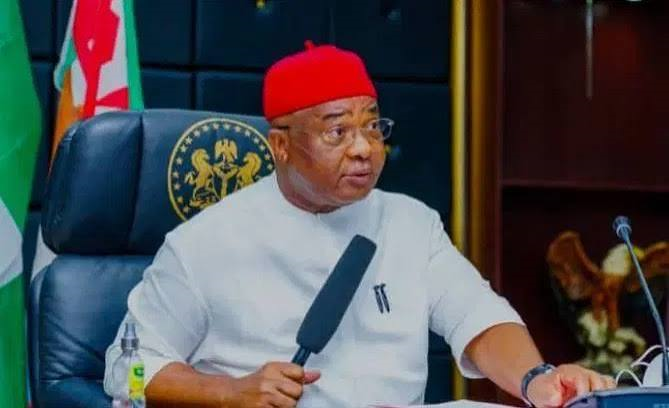
Imo State Governor, Senator Hope Uzodimma, has inaugurated 6,030 newly recruited teachers and 345 non-teaching staff into the state's civil service, describing the exercise as a major step towards revitalising the education sector and restoring dignity to the teaching profession.
The inauguration ceremony, held at the Emmanuel Iwuanyanwu International Conference Centre in Owerri, marked the first time in a long while that such a large number of teachers would be injected into the state's school system at once. The newly recruited teachers had completed a six-week intensive training programme at the state-owned Ben Uwajimogu College of Education, Ihitte Uboma, before their formal inauguration.
Speaking at the ceremony, Governor Uzodimma said the recruitment was designed to address the acute teacher shortage in the state's primary and secondary schools and to eliminate gaps in teaching and learning across the 27 local government areas. He declared his administration's commitment to making Imo teachers the most important civil servants in the state, vowing that their salary payments would be top priority for the government.
"I want to make Imo teachers the most important civil servants in the state," Uzodimma said, drawing applause from the newly recruited teachers and other stakeholders present at the ceremony. He promised that their welfare would remain central to his administration's agenda, noting that a motivated teaching workforce was essential to achieving the state's educational objectives.
The governor disclosed that the new teachers had been deployed to public schools within their native communities to ensure equitable distribution of personnel and bridge the rural-urban staffing gap. The deployment strategy, he explained, was designed to ensure that schools in rural areas, which had long suffered from a shortage of qualified teachers, would benefit from the influx of new personnel. He also announced plans to distribute digital teaching devices to the teachers, while charging them to protect school infrastructure, maintain hygienic learning environments, and foster close ties with parents and community leaders.
The Commissioner for Information, Public Orientation and Strategy, Declan Emelumba, had earlier disclosed that the recruitment was part of the government's broader strategy to improve the state's education system. He said the exercise was undertaken to fill existing vacancies and ensure that there were no gaps in teaching and learning across the state. Emelumba noted that the governor's decision to personally address the newly recruited teachers underscored the importance attached to the exercise, describing it as a demonstration of the administration's commitment to the education sector.
The Commissioner for Primary and Secondary Education, Prof. Bernard Ikegwuoha, described the mass recruitment as a historic milestone, stemming from a comprehensive needs assessment conducted across all 27 local government areas of the state. He said the initiative was built on the broader educational reforms in the state, including the recovery and renaming of Kingsley Ozumba Mbadiwe University, as well as the establishment of new tertiary institutions. Ikegwuoha's remarks highlighted the systematic approach that the Uzodimma administration had adopted in addressing the challenges facing the education sector, from infrastructure to personnel.
Responding on behalf of the new teachers, Mrs Philomena Maduako thanked the governor for creating the job opportunity and pledged their commitment to raising educational standards in line with the state's policies. The event also featured the symbolic presentation of computer tablets to selected teachers, while others were directed to receive theirs after their biometric enrolment, a move designed to integrate technology into teaching and learning across the state's public schools.
The recruitment of 6,030 teachers represents one of the largest single injections of educational personnel in Imo State's recent history. The exercise is expected to significantly reduce the teacher-to-pupil ratio in public schools, improve the quality of instruction, and enhance learning outcomes for thousands of students across the state. For a state that has grappled with infrastructural deficits and a shortage of qualified teachers in rural areas, the initiative offers a renewed sense of hope for the future of public education.
Governor Uzodimma's promise to prioritise teachers' welfare and his declaration that educators would become the most important civil servants in Imo State signal a policy shift that recognises the critical role of teachers in national development. The coming months will determine whether these promises translate into tangible improvements in the classroom, but for the 6,030 newly inaugurated teachers, the journey towards transforming Imo's education system has already begun.
Sponsored

Related stories
 Tech & Education
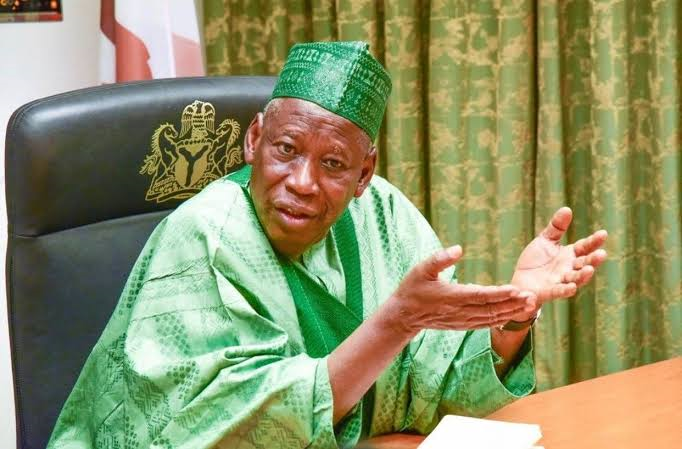
Kano Allocates N3 Billion Scholarships to 120,000 Students
The Kano State Government has proposed a N3 billion local scholarship scheme that will cover 120,000 indigenes in tertiary institutions across the country, regardless of their course of study. Executive Secretary Dr Mukhtar Bello unveiled the plan during the 2027 budget defence, revealing that it forms part of a broader N8.7 billion Scholarship Board budget that also funds foreign scholarships and operational costs. For a state with a long and complicated history of unpaid scholarships, the prop
 Tech & Education
NUC Directs Universities to Adopt AI Policies for Teaching, Research, Administration
The National Universities Commission has issued a formal directive requiring all Nigerian universities to develop and implement comprehensive artificial intelligence policies, warning that institutions without clear frameworks for AI use, ethics, and academic integrity risk producing graduates unprepared for a world already transformed by the technology. With concerns mounting over plagiarism, data privacy, and the digital divide, the NUC says the time for deliberation is over and the time for a
 Tech & Education
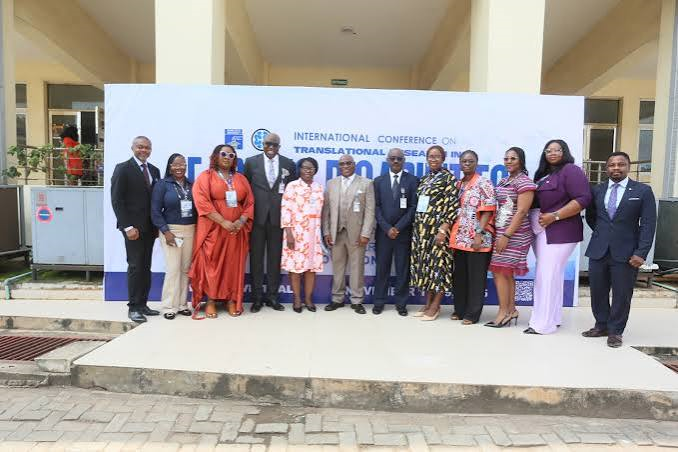
Babcock Conference Raises Awareness on Dyslexia, Challenges Misconceptions About Learning Difficulties
Babcock University’s learning disabilities conference has called for inclusive teaching reforms to support children with dyslexia, dyscalculia and other neurodivergent conditions. With 60% of learning disabilities linked to specific learning challenges and two-thirds of teachers lacking adequate knowledge, experts warned that rigid classroom practices are wrongly branding struggling pupils as lazy or unintelligent.
 Tech & Education
SACOETEC Graduates 4,944 Students, Produces 31 First-Class Graduates
Sikiru Adetona College of Education, Science and Technology (SACOETEC), Omu-Ajose, Ogun State, will today graduate 4,944 students at its second combined convocation, with 31 earning first-class honours. Provost Dr Modupe Oba-Adenuga says the ceremony is more than a certificate presentation; it is a celebration of a college delivering competent, professionally equipped teachers and degree holders under its NCE-Degree Dual Mandate. Governor Dapo Abiodun’s support, including increased subvention, h
Comments (0)
Leave a comment
All comments are moderated before publishing. Your email is never published.