
UK Economy Slows as Political Unrest, Mideast War Bite
UK GDP grew 0.4 per cent in the second quarter of 2026, down from 0.6 per cent in the first quarter, as political uncertainty, elevated inflation and higher energy costs linked to the Middle East conflict weighed on the economy.
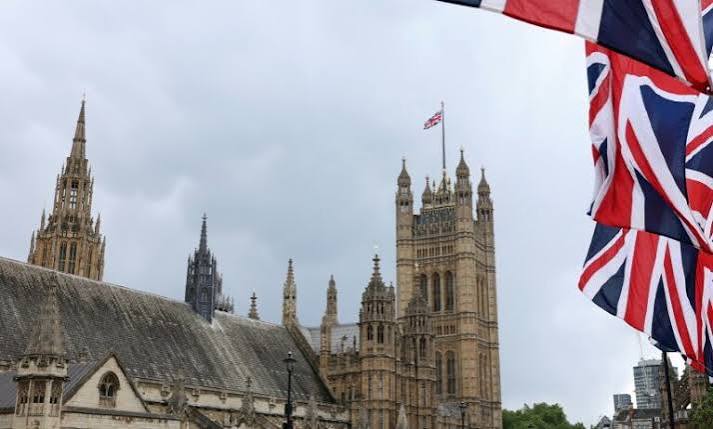
Britain’s economy grew by 0.4 per cent in the second quarter of 2026, slowing from the 0.6 per cent expansion recorded in the first quarter, according to the Office for National Statistics.
The ONS said the economy remained relatively robust despite domestic political uncertainty and the economic impact of the US-Iran war.
The slowdown came amid a period of political upheaval in the UK. Former Prime Minister Keir Starmer resigned in late June and was replaced about a month later by Andy Burnham, while the Labour government faced growing pressure from the right-wing Reform UK party.
Rising energy prices linked to the conflict in the Middle East have also added pressure to households and businesses, with inflation already elevated.
Britain’s new Finance Minister, John Healey, acknowledged concerns over the effect of the conflict on the cost of living and businesses, saying the government was focused on making the economy more resilient.
The services sector remained the main driver of growth, expanding by 0.5 per cent during the quarter. Construction also recorded growth, while production remained flat.
The economy expanded by 0.3 per cent in June, following no growth in May and a slight contraction in April.
The ONS attributed part of June’s stronger performance to increased business activity linked to the recent FIFA World Cup, particularly in alcohol manufacturing, wholesale, food and beverage services, publishing, television production and advertising.
However, the British Chambers of Commerce warned that the headline growth figures masked continuing cost pressures affecting businesses and called for the government’s October budget to deliver measures that would boost trade, investment and productivity.
The Bank of England has also warned that UK inflation could rise further as the Middle East conflict keeps energy prices elevated.
Sponsored

Related stories
 News
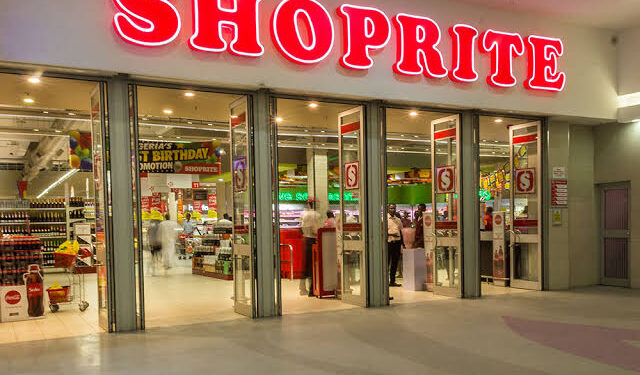
Shoprite Set To Open Neighbourhood Stores After Shutdown
Shoprite Nigeria plans to open standalone neighbourhood stores after reopening three outlets, as investors pursue a strategy to cut costs and revive operations.
 News
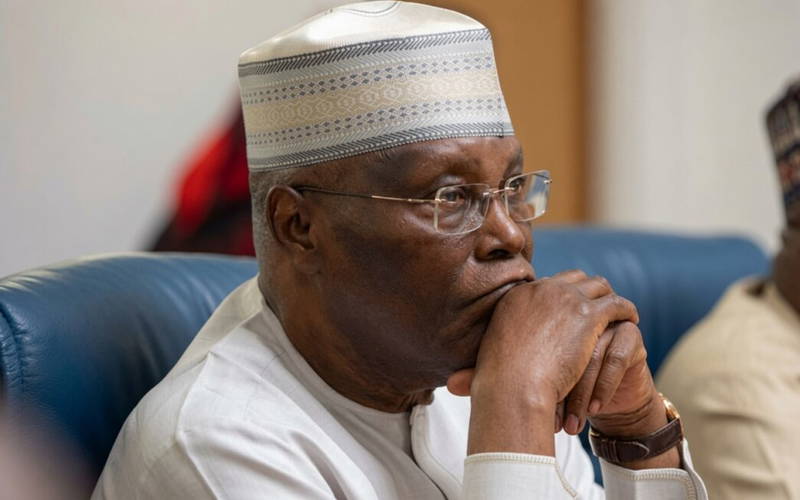
Blaming Opposition For Hunger Is ‘Delusion’ — Atiku Tells Tinubu
Atiku Abubakar has accused President Tinubu of evading responsibility for Nigeria’s economic hardship after blaming opposition politicians for hunger and poverty.
 News
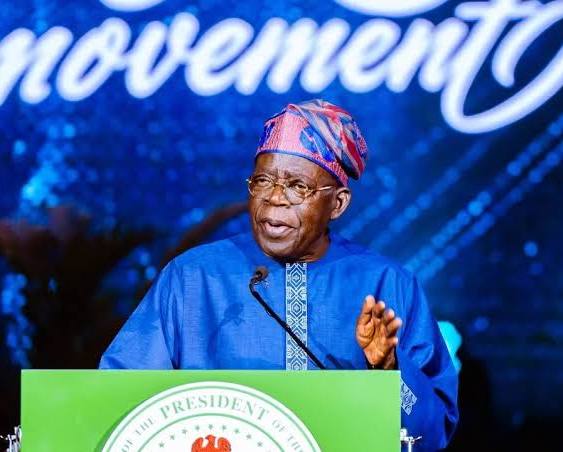
Tinubu Accuses Opposition of Creating Hunger, Poverty
President Bola Tinubu has accused opposition parties of creating the hunger and poverty they now criticise his administration over, insisting that his government is working to eradicate hardship and deliver economic prosperity.
 News
UNICEF, Sokoto Target One Million Children for Polio Vaccination
UNICEF and the Sokoto State Government are intensifying efforts to protect children against polio through vaccination, community mobilisation and public awareness, with emphasis on reaching every eligible child and addressing vaccine hesitancy.
Comments (0)
Leave a comment
All comments are moderated before publishing. Your email is never published.