
Backlash, Support as Pastor Quits Christianity for Isese Practice in Ondo
Ondo pastor Olabanjo Felix embraces Isese, sparking debate over religious freedom, cultural identity and his former congregation’s fate.

Public reaction has remained divided following the decision of an Ondo State-based pastor, Olabanjo Felix, to renounce Christianity and embrace Isese, an indigenous Yoruba spiritual tradition.
Felix, who previously founded the Image of God Evangelical and Prophetic Ministries in Ibaka, Oka Akoko area of Ondo State, announced his transition to Ifá practice in a viral social media video that surfaced on Thursday.
In the video, the former cleric declared himself a Babalawo and introduced his new spiritual identity as Ifawamiri Aworanolodumare.
“I’m now Ifawamiri Aworanolodumare, Babalawo of Ifá,” he said.
Felix also expressed appreciation to his new spiritual mentor, the Araba of Isararemọ, Oluṣẹgun Latunji Aifuwapẹ, and other spiritual guides who he said supported his journey.
The former pastor described foreign religions as deceitful in the video and argued that indigenous Yoruba worship was superior. He did not, however, explain what would happen to his former church, its activities or members.
His declaration has triggered debate across social media, with Nigerians expressing contrasting opinions on religious freedom, cultural identity, personal conviction and the role of religious leaders.
Some commentators questioned how Felix could previously preach Christianity as the truth before later embracing an indigenous spiritual tradition. Others defended his decision, arguing that individuals should be free to explore their cultural and spiritual roots.
Several social media users also speculated about his motives, with some alleging that financial considerations may have influenced the decision. Others dismissed such claims and described the move as an expression of personal conviction.
Some Christians urged the public not to condemn Felix, instead calling for prayers and suggesting that his decision could change again in the future.
Others welcomed his transition, describing it as a return to indigenous traditions and an opportunity for greater cultural authenticity.
The controversy has also revived discussions about the relationship between Christianity and indigenous African spirituality, particularly the extent to which religious converts can change their beliefs without facing social condemnation.
Felix’s case has drawn particular attention because of his previous public role as a Christian pastor and the influence that religious leaders often wield over their congregations.
His decision has therefore generated a wider conversation about personal faith, religious identity and the place of indigenous Yoruba spirituality in contemporary Nigerian society.
Sponsored

Related stories
 News
News
Shoprite Set To Open Neighbourhood Stores After Shutdown
Shoprite Nigeria plans to open standalone neighbourhood stores after reopening three outlets, as investors pursue a strategy to cut costs and revive operations.
 News
News
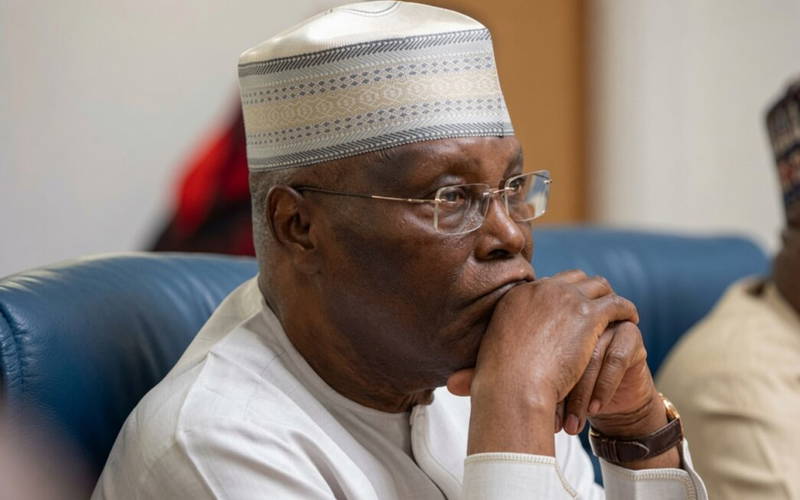
Blaming Opposition For Hunger Is ‘Delusion’ — Atiku Tells Tinubu
Atiku Abubakar has accused President Tinubu of evading responsibility for Nigeria’s economic hardship after blaming opposition politicians for hunger and poverty.
 News
News
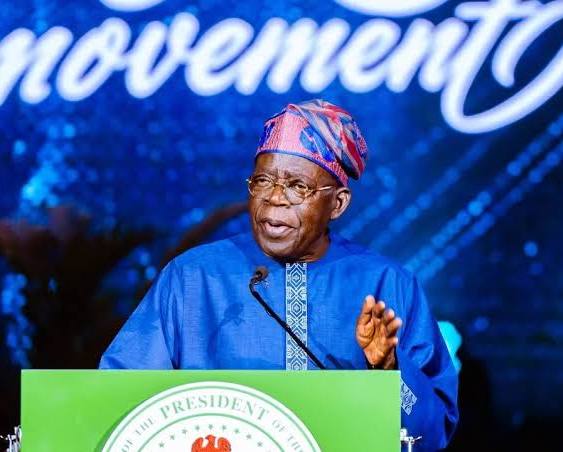
Tinubu Accuses Opposition of Creating Hunger, Poverty
President Bola Tinubu has accused opposition parties of creating the hunger and poverty they now criticise his administration over, insisting that his government is working to eradicate hardship and deliver economic prosperity.
 News
News
UNICEF, Sokoto Target One Million Children for Polio Vaccination
UNICEF and the Sokoto State Government are intensifying efforts to protect children against polio through vaccination, community mobilisation and public awareness, with emphasis on reaching every eligible child and addressing vaccine hesitancy.
Comments (0)
Leave a comment
All comments are moderated before publishing. Your email is never published.