
Tinubu Welcomes World Bank Report, Says Economic Reforms Are Delivering Results
President cites stronger economic growth, rising government revenues and improved external reserves, while acknowledging persistent cost-of-living challenges.
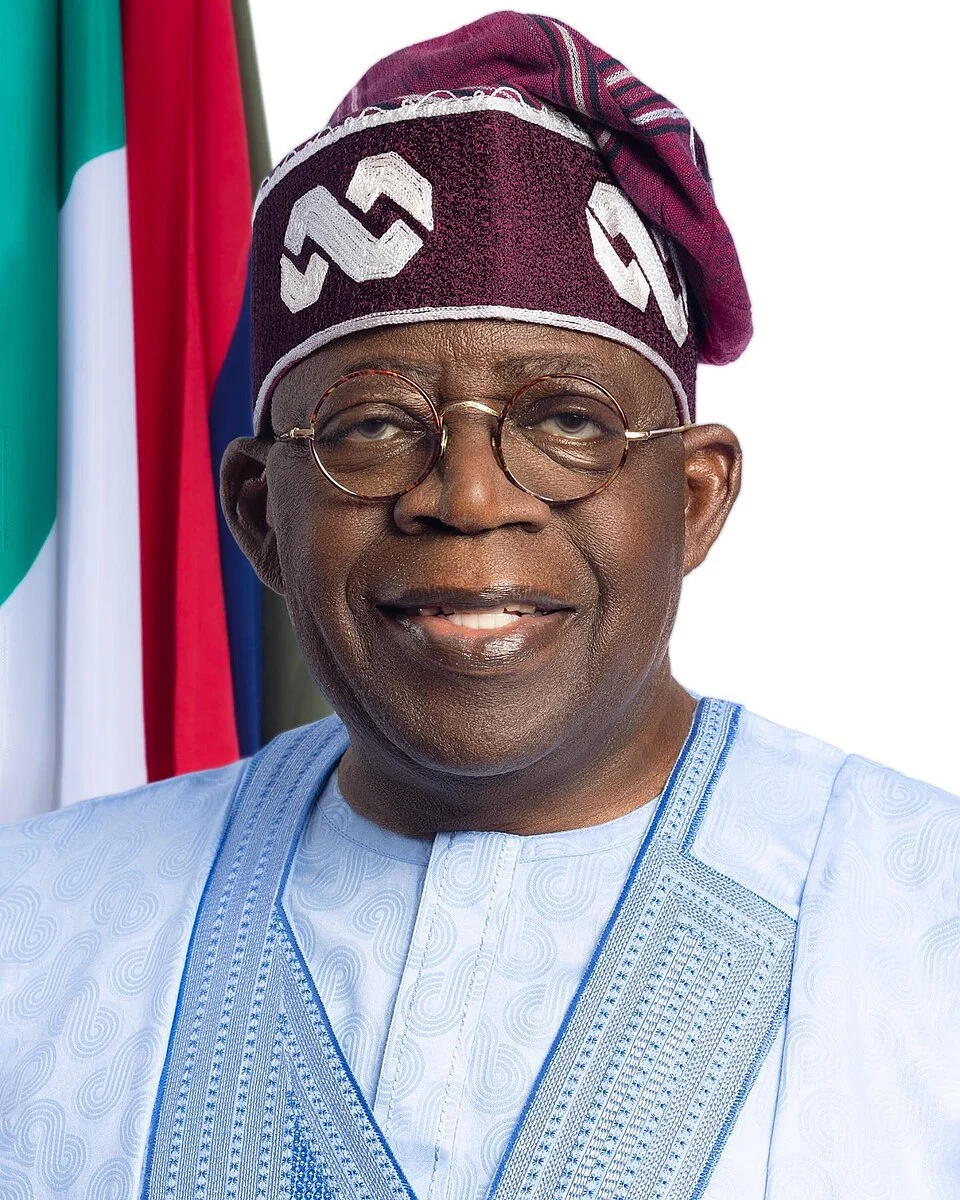
President Bola Tinubu has welcomed the World Bank’s October 2026 Nigeria Development Update, saying its findings show that his administration’s economic reforms are strengthening the economy and creating more resources for development.
In a statement issued on Sunday by his Special Adviser on Information and Strategy, Bayo Onanuga, Tinubu said the report confirmed that reforms introduced since 2023 were helping to stabilise the economy and improve government finances.
The report, titled Beyond the Federal Purse: How Higher Revenues Reshaped State Priorities, examined Nigeria’s economic performance and how increased public revenue has influenced spending by state governments.
Tinubu highlighted the World Bank’s finding that Nigeria’s economy grew by 4.2 per cent in the first half of 2026, compared with 3.9 per cent in the corresponding period of 2025. The bank projected average annual growth of at least 4.4 per cent between 2026 and 2028.
On inflation, the report noted that the rate fell from 27.6 per cent in January 2025 to 15.2 per cent in December 2025. However, higher global fuel prices linked to the conflict in the Middle East have slowed the subsequent decline.
Nigeria’s external position also improved, according to the report. The current account surplus rose to $12 billion, equivalent to 7 per cent of gross domestic product, in the first half of 2026, while gross external reserves increased from $45.5 billion at the end of 2025 to $53.8 billion by the end of August 2026.
The President said reforms had helped increase federation revenues by 69 per cent in real terms between 2023 and 2025, with state governments emerging as the largest beneficiaries.
According to the report, states increased capital spending by 151 per cent in real terms over the period, directing much of the additional funding towards roads, transport, agriculture, energy and housing. Twenty-nine of 33 states shifted spending towards economic infrastructure.
The report also indicated that Nigeria’s poverty rate had stabilised for the first time since 2019, although the World Bank expects any reduction in poverty to depend on sustained growth and improvements in living standards.
Tinubu acknowledged that more work remained to ensure economic gains translated into lower food prices and decent jobs. He said his administration would expand targeted cash transfers, accelerate compressed natural gas deployment, improve agricultural productivity and strengthen access to healthcare and education.
He also urged state governments to manage their increased revenues prudently and prioritise projects that directly improve citizens’ welfare.
The World Bank has emphasised that sustaining economic stability must go hand in hand with effective public spending, job creation and poverty reduction.
Sponsored
Related stories
 News
News
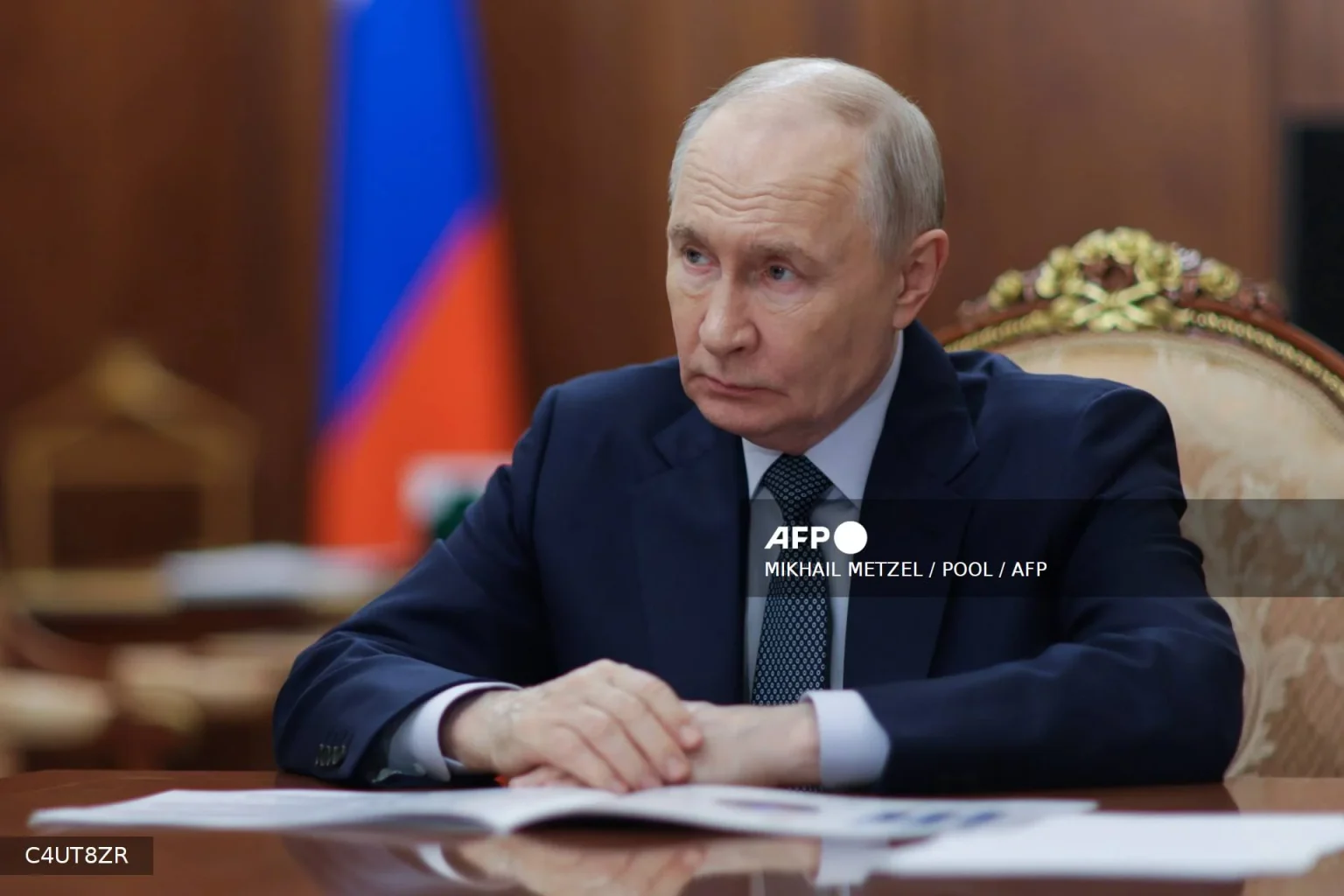
Russia Hits Ukraine Power Plants Despite Trump Energy Ceasefire Claim
Zelensky reports strikes on Kyiv and Kharkiv power plants after Trump announced an energy ceasefire.
 News
News
SERAP Sues CBN Over Alleged $6.23m, ₦1.63trn in Unaccounted Public Funds
SERAP asks the Federal High Court to compel the CBN to explain billions in flagged transactions and disclose recovery efforts.
 News
News
Atiku’s Shallow Politics Can’t Buy Nigeria’s Economic Future — Presidency
Presidency rejects Atiku’s production subsidy, arguing Nigeria lacks sufficient uncommitted crude to sustain the plan.
 News
News
Economic Society Urges FG, States to Ensure Credible Budgets, Transparent Spending
Nigerian Economic Society calls for realistic revenue forecasts, accountable spending and productive borrowing to improve public services.
Comments (0)
Leave a comment
All comments are moderated before publishing. Your email is never published.