
Atiku’s Shallow Politics Can’t Buy Nigeria’s Economic Future — Presidency
Presidency rejects Atiku’s production subsidy, arguing Nigeria lacks sufficient uncommitted crude to sustain the plan.
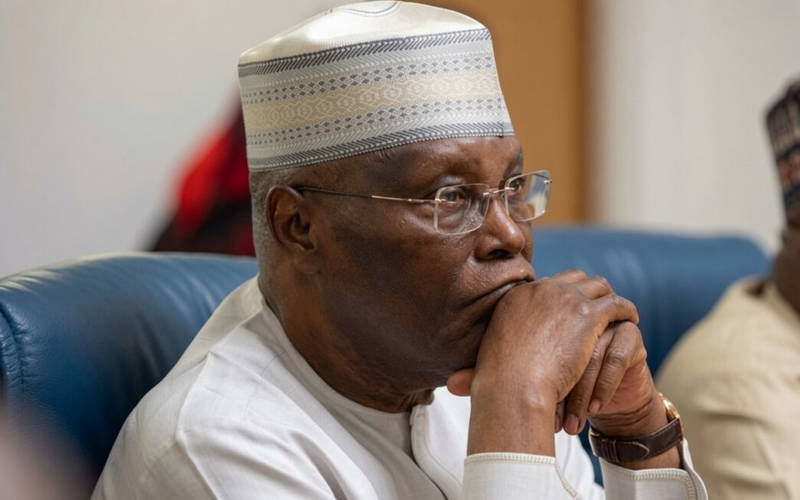
The Presidency has criticised former Vice President Atiku Abubakar over his proposed petrol production subsidy, accusing him of using economic hardship to advance his political ambitions ahead of the 2027 presidential election.
In a statement issued on Sunday, October 11, by the Special Adviser to President Bola Tinubu on Media and Public Communication, Sunday Dare, the Presidency described Atiku’s criticism of the administration’s petrol price relief measures as “shallow, election-laced demagoguery”.
The response followed Atiku’s criticism of the 30-day petrol discount at Nigerian National Petroleum Company Limited (NNPC) retail stations and the government’s proposed price modulation framework. Atiku had described the measures as inadequate in addressing the rising cost of living.
The former vice president has advocated a production subsidy for petrol refined locally, arguing that support tied to domestic refining could reduce pump prices while encouraging local production.
However, the Presidency argued that Nigeria lacked sufficient uncommitted crude oil to support such a programme without disrupting existing supply contracts or placing additional pressure on public finances.
It said that although Nigeria produces about 1.8 million barrels of crude oil daily, contractual obligations, production costs, royalties and profit-sharing arrangements reduce the volume available for discretionary government allocation.
According to the statement, a blanket subsidy could recreate problems associated with the former fuel subsidy system, including opaque spending, fraudulent practices and losses to government revenue.
The Presidency also defended the government’s temporary petrol price relief measures, saying NNPC Retail’s decision to extend its discount was intended to cushion consumers against global oil market volatility rather than restore the previous subsidy regime.
It listed other measures, including the expansion of compressed natural gas infrastructure, strategic energy reserves and arrangements to support domestic refining, as part of its approach to stabilising fuel supply and prices.
Atiku, meanwhile, has argued that Nigerians continue to face severe economic hardship despite the government’s reform claims. He has called for a production subsidy restricted to verified locally refined fuel, with published costs and independent audits.
The disagreement reflects competing approaches to petrol pricing, domestic refining and consumer relief as political parties prepare for the 2027 elections.
Sponsored

Related stories
 News
News
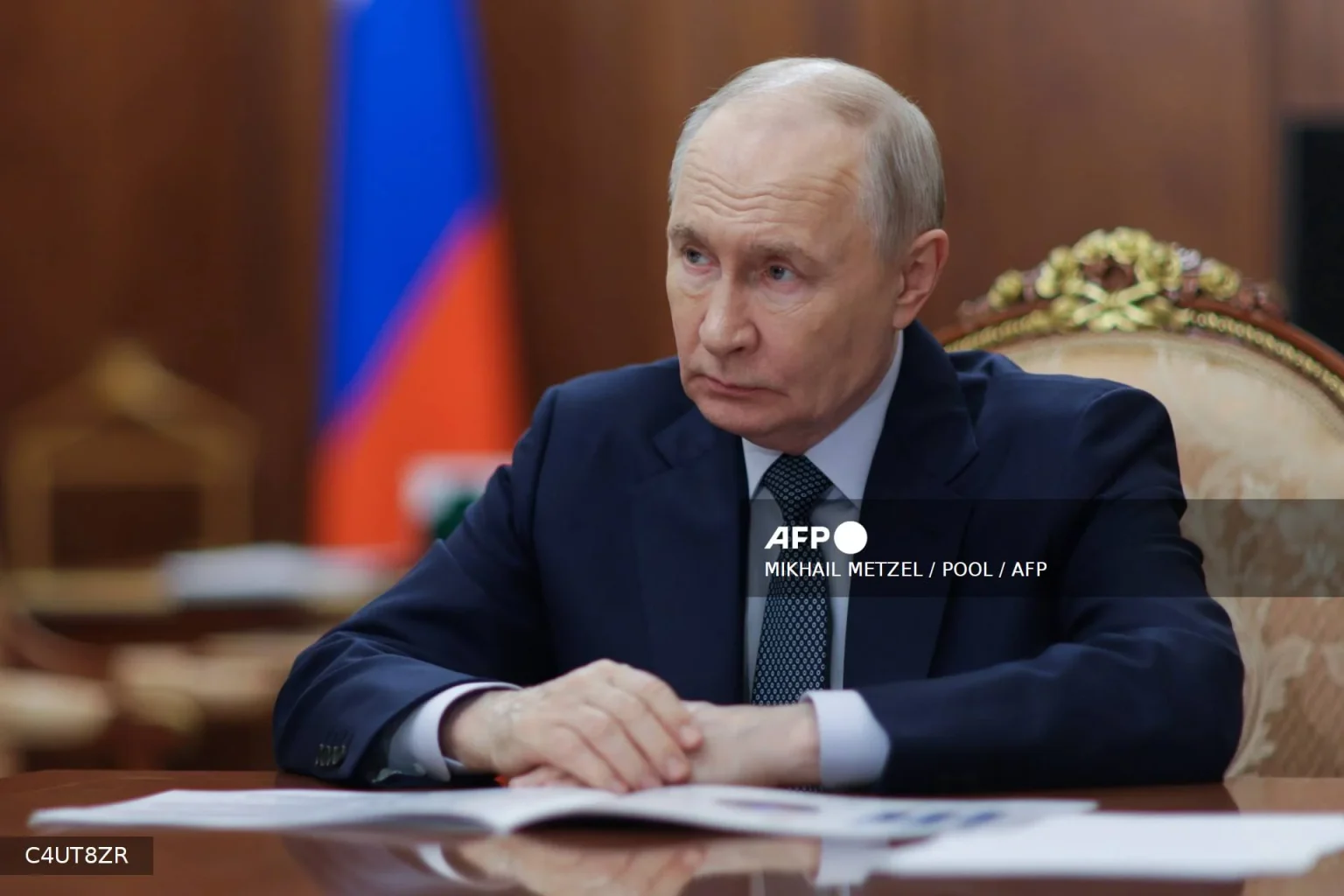
Russia Hits Ukraine Power Plants Despite Trump Energy Ceasefire Claim
Zelensky reports strikes on Kyiv and Kharkiv power plants after Trump announced an energy ceasefire.
 News
News
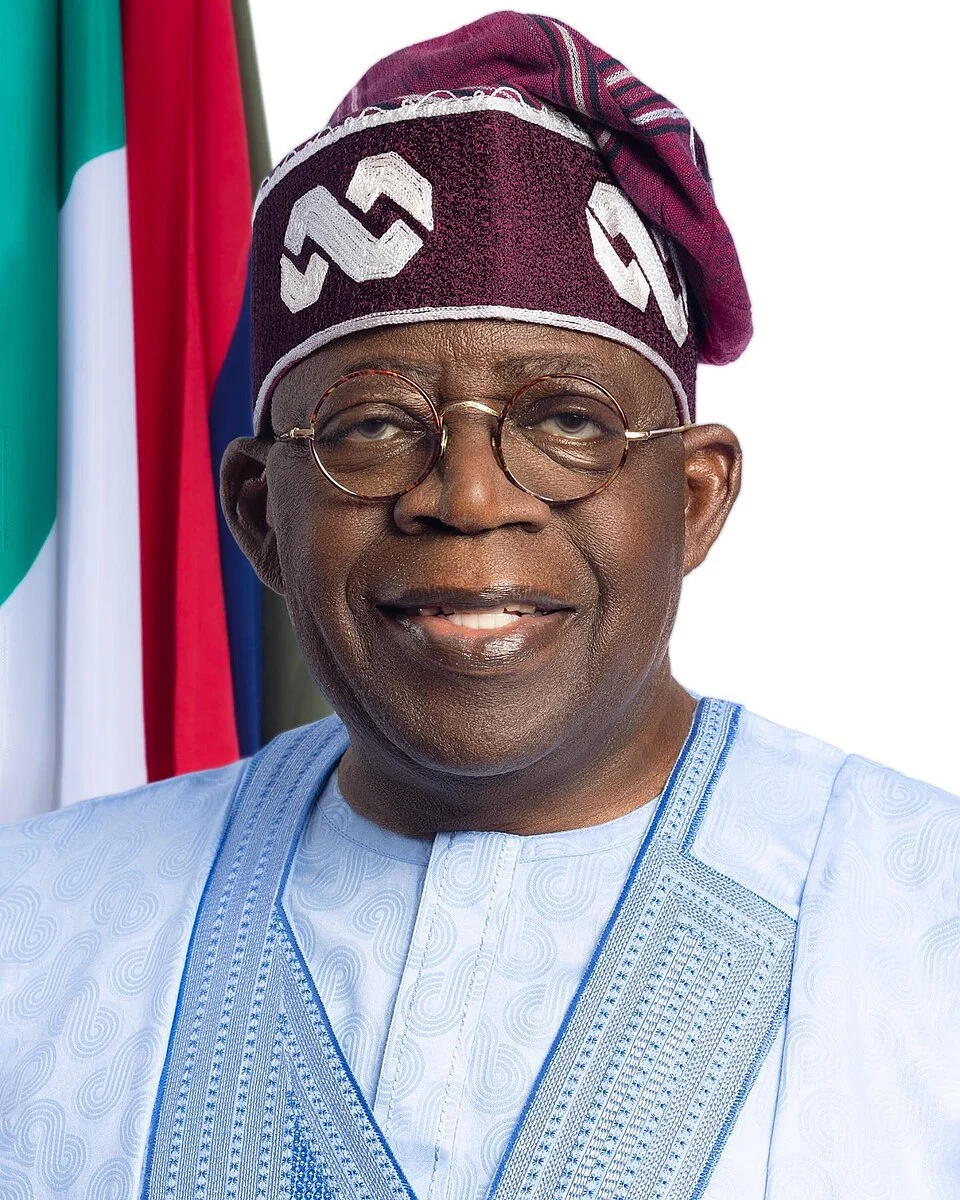
Tinubu Welcomes World Bank Report, Says Economic Reforms Are Delivering Results
President cites stronger economic growth, rising government revenues and improved external reserves, while acknowledging persistent cost-of-living challenges.
 News
News
SERAP Sues CBN Over Alleged $6.23m, ₦1.63trn in Unaccounted Public Funds
SERAP asks the Federal High Court to compel the CBN to explain billions in flagged transactions and disclose recovery efforts.
 News
News
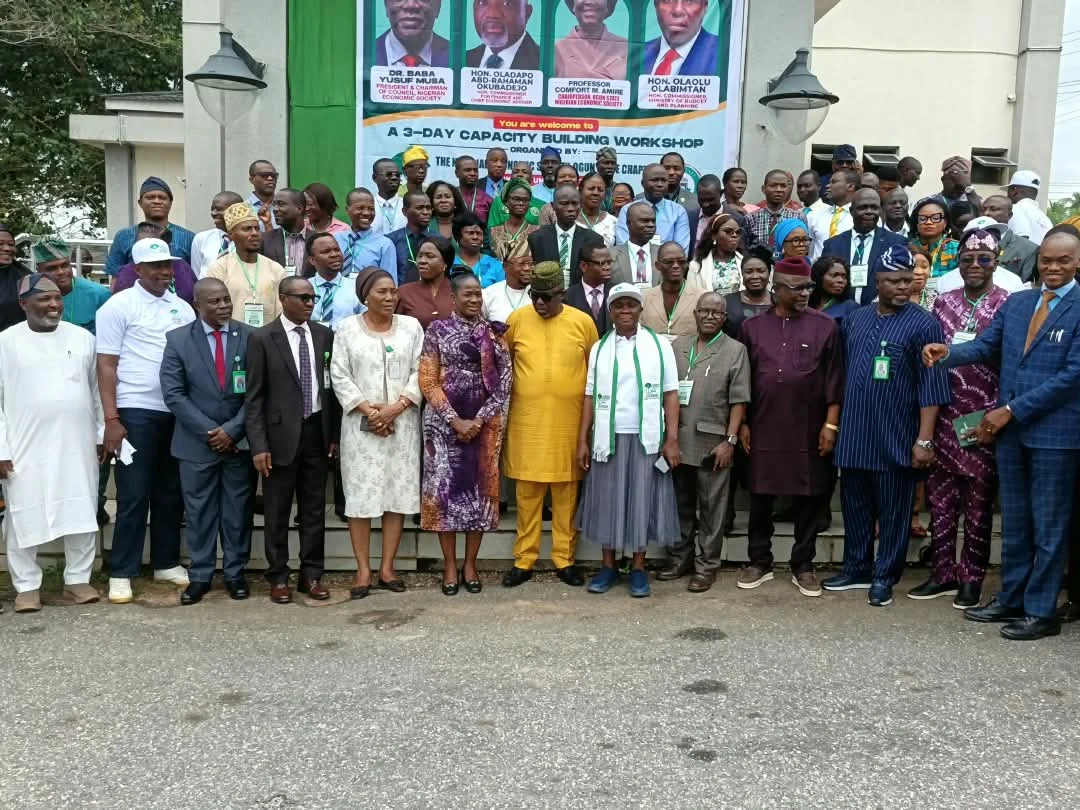
Economic Society Urges FG, States to Ensure Credible Budgets, Transparent Spending
Nigerian Economic Society calls for realistic revenue forecasts, accountable spending and productive borrowing to improve public services.
Comments (0)
Leave a comment
All comments are moderated before publishing. Your email is never published.