
Tinubu Rejects Two National Assembly Bills Over Constitutional Flaws
President Tinubu declined assent to two National Assembly bills, citing constitutional defects and urging lawmakers to address identified issues before resubmitting them.
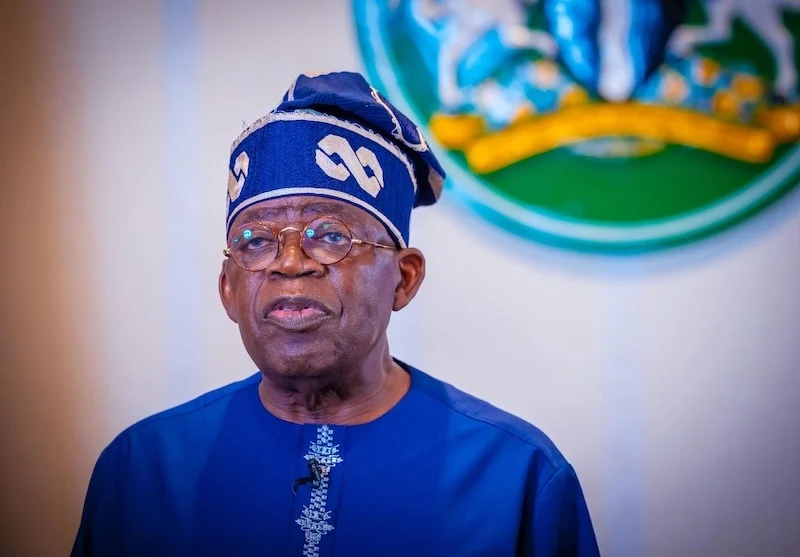
President Bola Tinubu has declined assent to two bills passed by the National Assembly, citing constitutional and drafting deficiencies that must be addressed before the proposed legislations can become law.
The Senate was formally notified of the President’s decision through two separate letters read during Thursday’s plenary by Senate President Godswill Akpabio.
The affected legislations are the Raw Materials Research and Development Council (Amendment) Bill, 2026, and the Chartered Institute of Purchasing and Supply Management of Nigeria Bill.
In the letters, Tinubu explained that he acted in accordance with Section 58(4) of the 1999 Constitution, as amended, which empowers the President to withhold assent to bills and return them to the National Assembly with observations for reconsideration.
On the Raw Materials Research and Development Council Amendment Bill, the President said the proposal contained structural inconsistencies and drafting errors that undermined its clarity and coherence.
He observed that the bill’s title failed to adequately reflect its objective of promoting the development, protection and processing of Nigeria’s raw materials while supporting local manufacturing.
Tinubu also noted that some provisions improperly presented the council’s operational responsibilities as legislative objectives and inserted unrelated clauses in sections dealing with the agency’s finances and annual accounts, making the bill difficult to interpret.
On the Chartered Institute of Purchasing and Supply Management of Nigeria Bill, the President said certain provisions sought to grant the institute regulatory powers beyond its legal mandate.
He objected to clauses requiring organisations to notify the institute of procurement appointments and empowering it to inspect organisations and impose sanctions, arguing that the institute is not the statutory regulator of such entities.
According to him, while several provisions of the bill are commendable, the contentious sections require further legislative review before the bill can receive presidential approval.
Tinubu expressed confidence that both bills could still secure assent after the identified constitutional and legal issues are corrected.
Following the reading of the President’s correspondence, Senate President Godswill Akpabio referred both matters to the Senate Committee on Rules and Business for further legislative action, directing the committee to report back to the Senate within four weeks for consideration.
Related stories
 News
News
Oyo Abduction: Eight Kidnappers Arrested, Others Killed During Rescue — Presidency
Eight kidnappers have been arrested and others neutralised during the rescue of abducted Oyo pupils and teachers, with authorities insisting no ransom or concession was made.
News
BREAKING: Kidnapped Oyo Pupils, Teachers Regain Freedom
Kidnapped pupils and teachers in Oyo State have regained freedom after days in captivity, with authorities yet to disclose details surrounding their release.
News
BREAKING: Kidnapped Oyo Pupils, Teachers Regain Freedom
Kidnapped pupils and teachers in Oyo State have regained freedom after days in captivity, with authorities yet to disclose details surrounding their release.
 News
News
Bwala Questions Military Strike on Kidnappers as Oyo Pupils Remain in Captivity
Presidential aide Daniel Bwala has defended the Federal Government's cautious approach to rescuing abducted Oyo pupils, asking whether bombing kidnappers' hideouts would endanger the hostages.
Comments (0)
Leave a comment
All comments are moderated before publishing. Your email is never published.