
Electoral Mandate Crisis Biggest Driver of Insecurity in Nigeria — Odinkalu
Former NHRC Chairman Chidi Odinkalu says flawed elections and lack of judicial confidence fuel insecurity, warning that ignored votes push citizens toward violence and vigilantism.
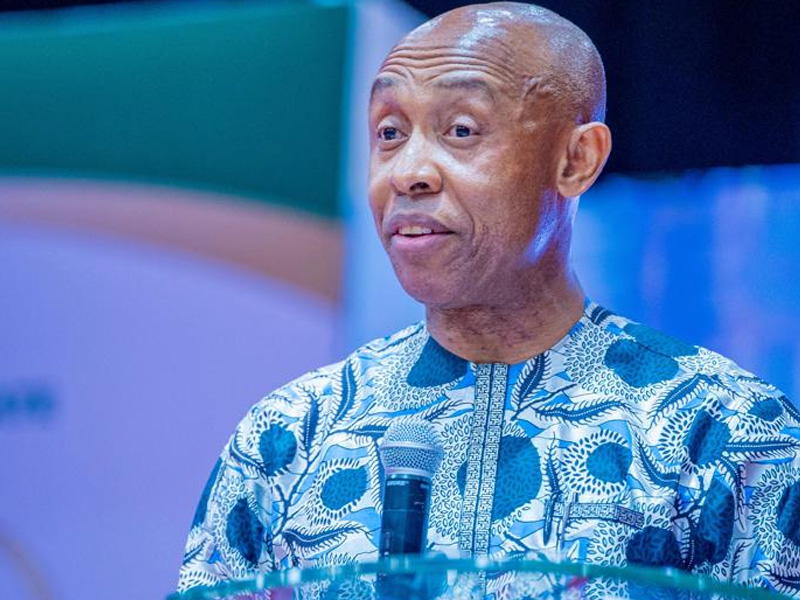
Former Chairman of the National Human Rights Commission, Prof. Chidi Odinkalu, has identified the illegitimacy of electoral mandates as the greatest source of insecurity in Nigeria, arguing that flawed elections and weakened public confidence in the judiciary continue to fuel violence across the country.
Odinkalu made the remarks on Thursday during an appearance on Arise Television’s Prime Time, where he spoke on the growing national conversation surrounding the establishment of state police as a strategy to address rising insecurity.
According to him, discussions on policing and security reforms cannot be separated from the underlying political and institutional challenges confronting the country.
He argued that citizens who lose faith in the electoral process and the justice system are more likely to resort to self-help and violent alternatives.
“The single biggest source of insecurity in Nigeria is the illegitimacy of electoral mandates,” Odinkalu said.
He explained that when people become convinced that their votes no longer matter and believe the courts cannot guarantee justice, frustration often translates into violence and vigilantism.
“When people discover that electoral mandates, their votes don’t count, the courts are not working for them, and judges have been bought, they resort to violence and vigilantism,” he stated.
Odinkalu stressed that any meaningful effort to reform Nigeria’s security architecture must begin with addressing the root causes of insecurity rather than focusing solely on policing structures.
He warned that introducing state police without resolving deeper governance and democratic deficits could create additional problems instead of lasting solutions.
“We cannot discuss insecurity and policing and forget all the other elements in the complex,” he said.
According to the former human rights commission chairman, an accurate diagnosis of Nigeria’s security challenges is essential before implementing reforms.
He cautioned that pursuing policing reforms without addressing electoral credibility, public trust and institutional accountability would amount to treating symptoms while ignoring the underlying disease.
“Unless, therefore, we want to deal with policing outside the diagnosis, in which case we can as well do that and create a new set of pathologies. But if we don’t want to do that, then we’ve got to be very careful,” he added.
His comments come amid renewed calls for state policing and broader reforms aimed at tackling Nigeria’s persistent security challenges.
Sponsored

Related stories
 Politics
Fuel Discount: Atiku Accuses Tinubu of Turning NNPCL Into Campaign Money Cashier
Atiku has accused Tinubu’s administration of using NNPCL’s petrol discount for political advantage ahead of the 2027 general election.
 Politics
2027: NDC to Inaugurate Presidential Council October 20
The Nigeria Democratic Congress will inaugurate its Presidential Campaign Council on October 20 as it intensifies preparations for the 2027 general elections.
 Politics
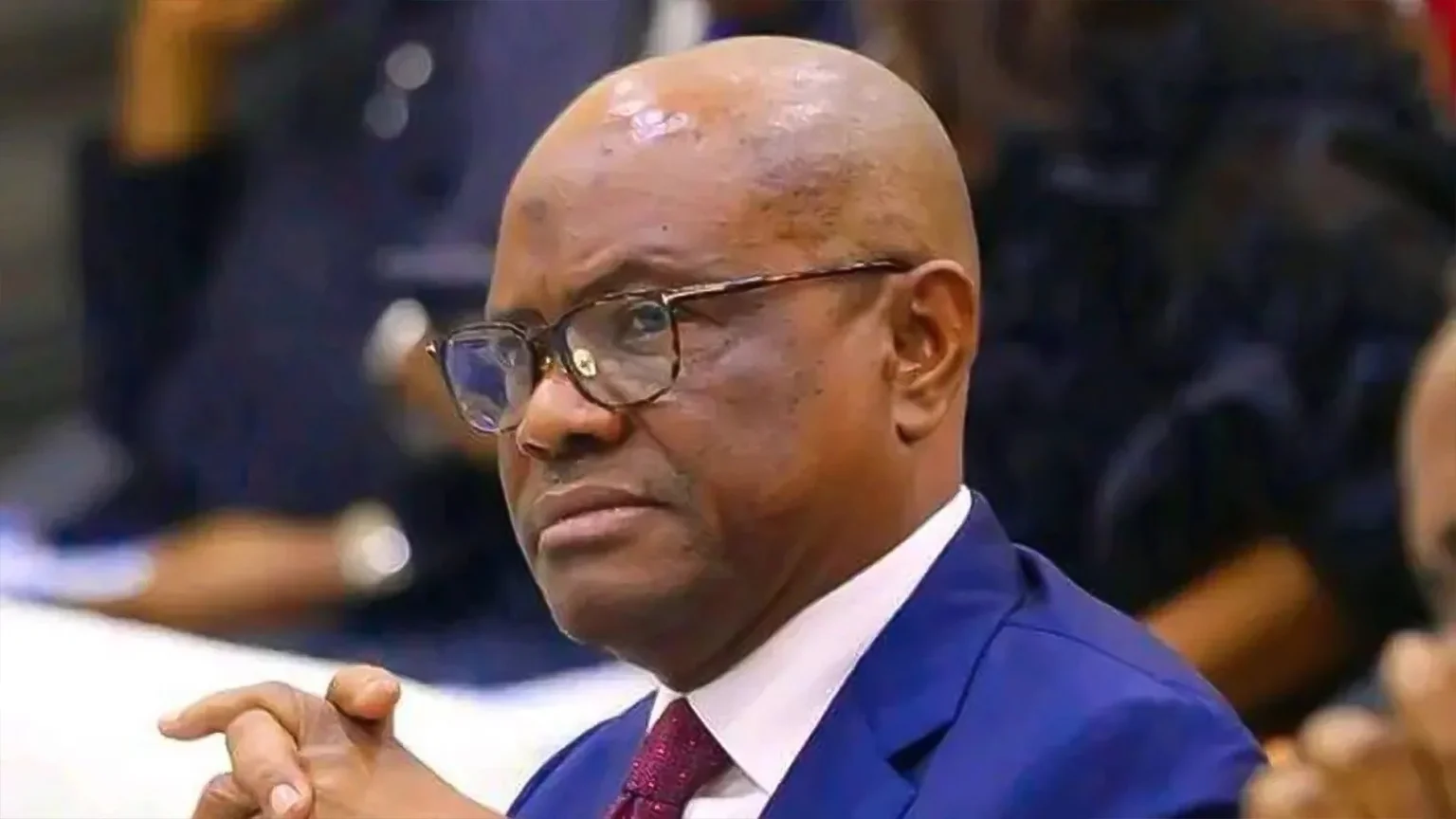
2027: Wike Threatens to Block Amaechi’s Campaign in Rivers Over Tinubu Insults
Wike warned Amaechi could face campaign difficulties in Rivers if he continues attacking Tinubu’s supporters.
 Politics
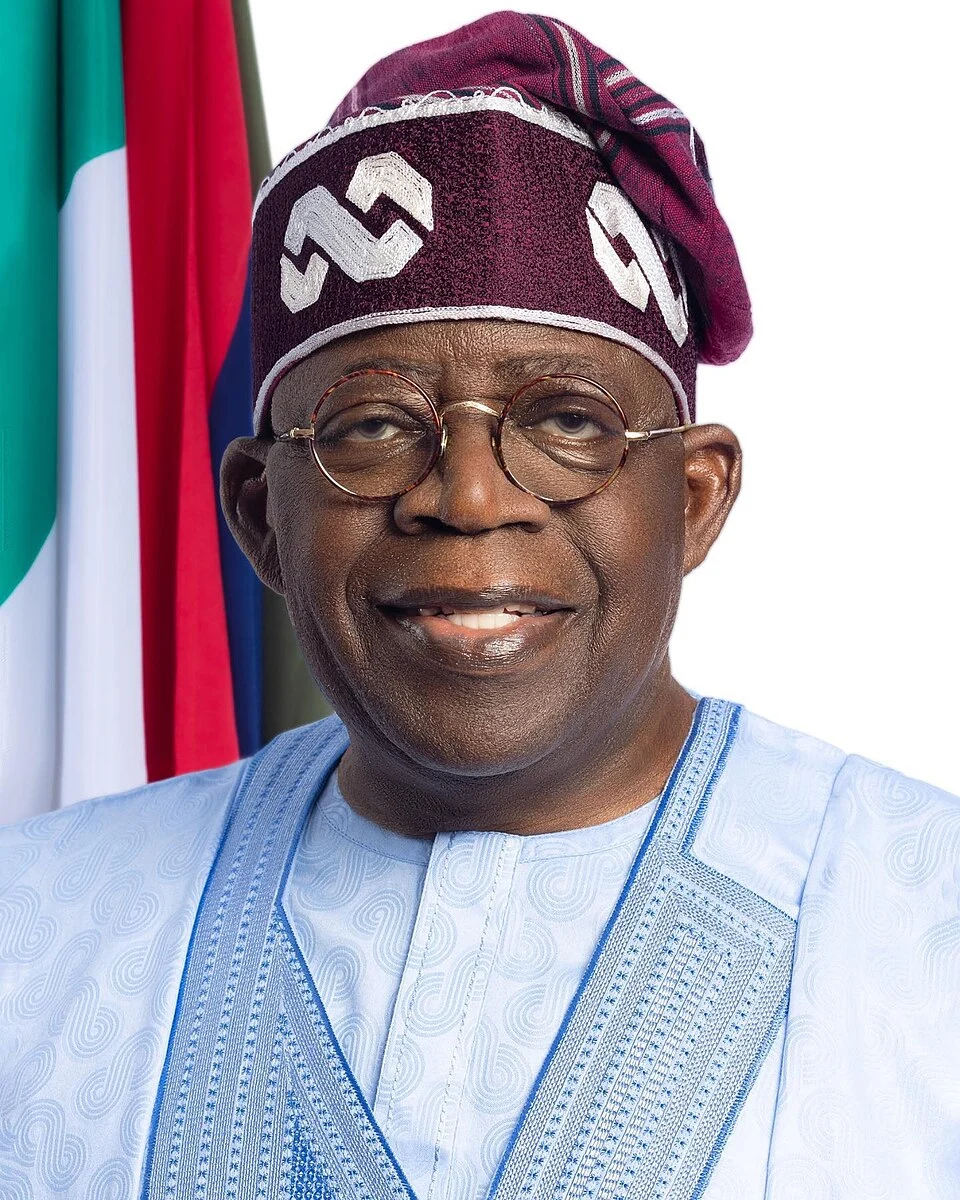
2027: Tinubu Kicks Off Campaign in Kaduna October 24
Yari says Tinubu will officially launch his 2027 re-election campaign in Kaduna on October 24.
Comments (0)
Leave a comment
All comments are moderated before publishing. Your email is never published.