
State Police: National Policing Bill 90% Ready — Gbajabiamila
Presidential Chief of Staff Femi Gbajabiamila says Nigeria’s National Policing Bill is 90 per cent ready ahead of implementation.
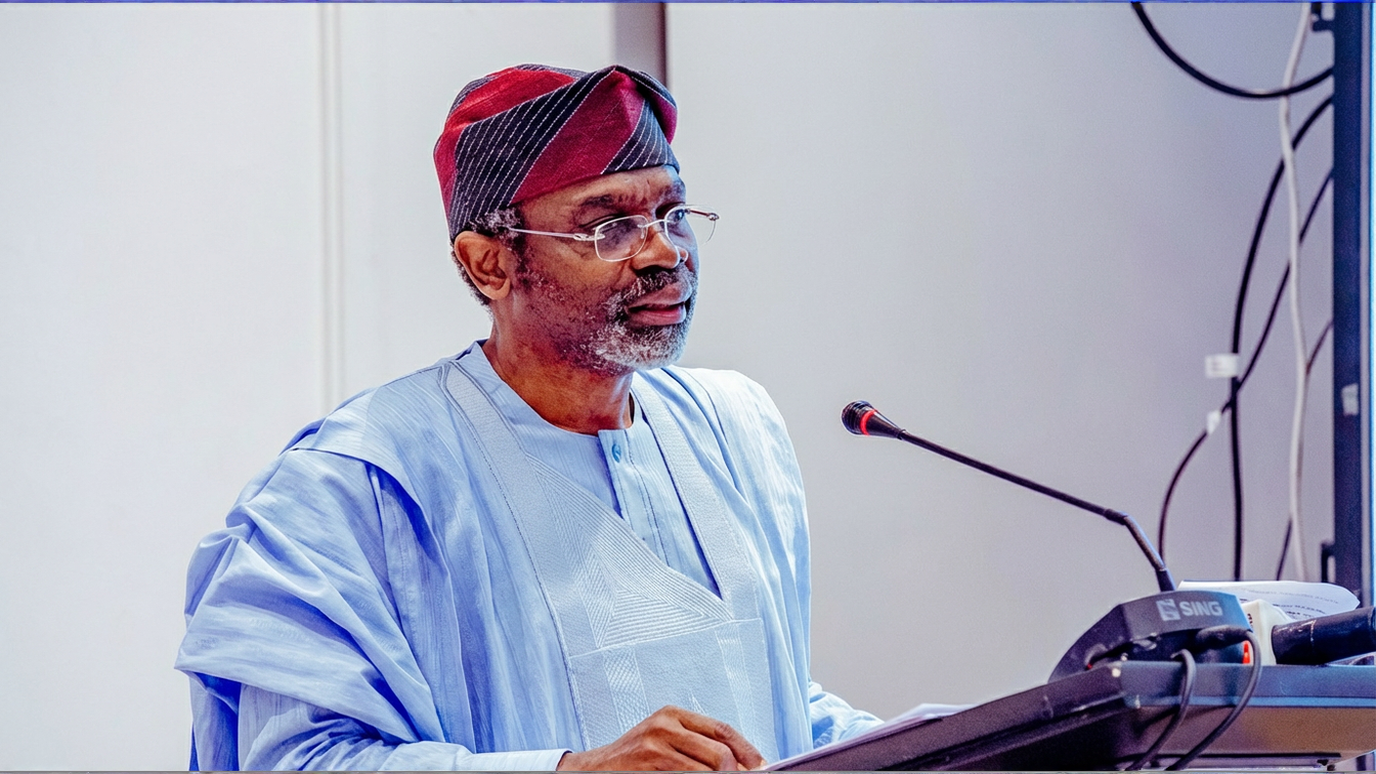
The Chief of Staff to President Bola Tinubu, Femi Gbajabiamila, has announced that the proposed National Policing Bill is 90 per cent ready, marking another step in the Federal Government’s efforts to establish state police in Nigeria.
Gbajabiamila, who chairs the Presidential Working Group on the National Policing Bill, is overseeing the development of a legal and operational framework intended to support a dual policing system involving federal and state police services.
The proposed legislation is designed to address critical issues surrounding the establishment and operation of state police, including recruitment, training, funding, command structures, jurisdiction, accountability and the protection of citizens’ rights.
The initiative follows growing calls for decentralised policing as Nigeria continues to face security challenges, including kidnapping, banditry, terrorism and communal violence in different parts of the country.
In August, Gbajabiamila said the working group had adopted a seven-week programme to prepare an implementation-ready bill and supporting documents. The plan included reviewing the Police Act 2020, the Police Service Commission framework and other laws that could be affected by the proposed reforms.
The working group also invited submissions from Nigerians, professional bodies, civil society organisations, security agencies, state governments and other stakeholders to contribute to the drafting process.
The government has emphasised that the proposed framework must establish minimum national standards while allowing state police services to respond more effectively to local security needs.
Under the proposed arrangement, states would be required to demonstrate readiness in areas such as recruitment procedures, personnel vetting, training, equipment, pensions, complaints handling, independent oversight and sustainable financing before their police services could begin operations.
The proposal also seeks to prevent state police institutions from becoming instruments of political intimidation or partisan control. Gbajabiamila has maintained that decentralising policing must not undermine national security, constitutional protections or the rule of law.
Although the National Assembly has advanced proposals for the constitutional changes required to establish state police, the system cannot become operational until the constitutional amendment process is completed and the necessary implementing legislation is enacted.
The Nigeria Police Force therefore remains Nigeria’s constitutionally recognised policing institution pending completion of the required legal processes.
The reported 90 per cent completion milestone signals progress in preparing the legislative framework, but the remaining drafting, consultations and approval procedures will determine when the proposed bill can proceed to the next stage.
The development is expected to renew public discussion about how state policing could improve security, strengthen community intelligence and ensure accountability across Nigeria.
Sponsored

Related stories
 News
News
Senate Passes Bill To Establish Federal College Of Agriculture In Borno
The Senate has passed a bill to establish a Federal College of Agriculture in Shani, Borno State, to promote modern farming and boost agricultural productivity.
 News
News
Lagos Warns Against Consuming Groundnut Oil From Fallen Tanker
LASTMA warns residents, traders and food vendors against consuming or selling groundnut oil spilled from a 33,000-litre tanker at Ojota.
 News
News
Keyamo To Atiku: Tinubu Clearing Unpaid Pensions Your Government Left Behind In Nigeria Airways
Aviation Minister Festus Keyamo says Tinubu has released N36 billion to settle outstanding benefits owed former Nigeria Airways workers.
 News
News
Finnish Court Reduces Simon Ekpa’s Prison Sentence From Six Years To Four
Finland’s Court of Appeal has reduced Simon Ekpa’s prison sentence to four years while upholding his convictions for terrorism-related offences.
Comments (0)
Leave a comment
All comments are moderated before publishing. Your email is never published.