
Solar Energy: FG to Inject 60.82MW Into National Grid Amid Electricity Supply Challenges
Federal Government expands solar power projects, targeting 60.82MW electricity injection into Nigeria’s national grid to boost supply.
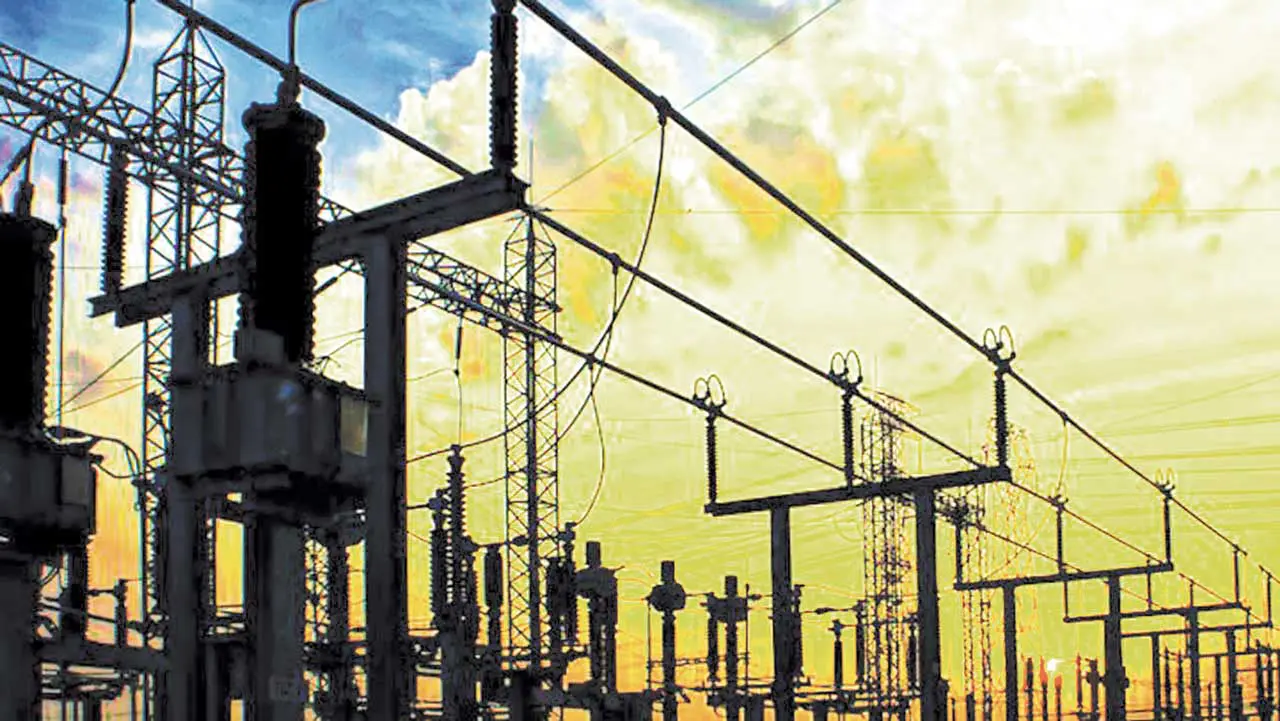
The Federal Government is intensifying efforts to improve electricity supply through renewable energy projects, with plans to inject a total of 60.82 megawatts of solar-generated electricity into Nigeria’s national grid.
The latest development comes as the government officially commenced the construction of a 13.92-megawatt peak interconnected hybrid solar mini-grid project in Yobe State, further expanding its investment in sustainable energy infrastructure.
The Yobe project forms part of a broader national strategy aimed at increasing access to reliable electricity while reducing dependence on conventional power sources.
Prior to the Yobe initiative, the government had already completed and developed approximately 46.9 megawatts of renewable power infrastructure across five states.
Among the completed projects are a 20-megawatt solar mini-grid in Egume, Kogi State, an 11.9-megawatt peak installation in Ogu-Bolo, Rivers State, and a 10-megawatt project in Kofare, Adamawa State.
In addition, construction had earlier commenced on a 3.5-megawatt mini-grid project in Ambursa, Kebbi State, as well as a 1.5-megawatt installation in Pankshin, Plateau State.
Speaking on the initiative, the Managing Director of the Rural Electrification Agency, Abba Abubakar Aliyu, explained that the interconnected hybrid mini-grids are designed to work seamlessly with the existing electricity distribution network.
According to him, the projects are expected to stimulate economic activities by providing stable electricity for businesses, healthcare facilities, educational institutions and agricultural processing.
Aliyu said improved access to electricity would encourage entrepreneurship, create employment opportunities and support local industries in communities benefiting from the projects.
He added that reliable power supply would also strengthen healthcare delivery and improve the quality of life for residents in underserved areas.
Despite these investments, Nigeria continues to face significant electricity challenges, with national power generation remaining below the country’s growing demand.
For several decades, electricity generation has struggled to exceed 6,000 megawatts despite Nigeria’s population now exceeding 250 million people.
The Federal Government believes expanding renewable energy infrastructure, particularly solar-powered mini-grids, will help bridge the electricity gap, improve energy access and support long-term economic growth across the country.
Sponsored

Related stories
 News
News
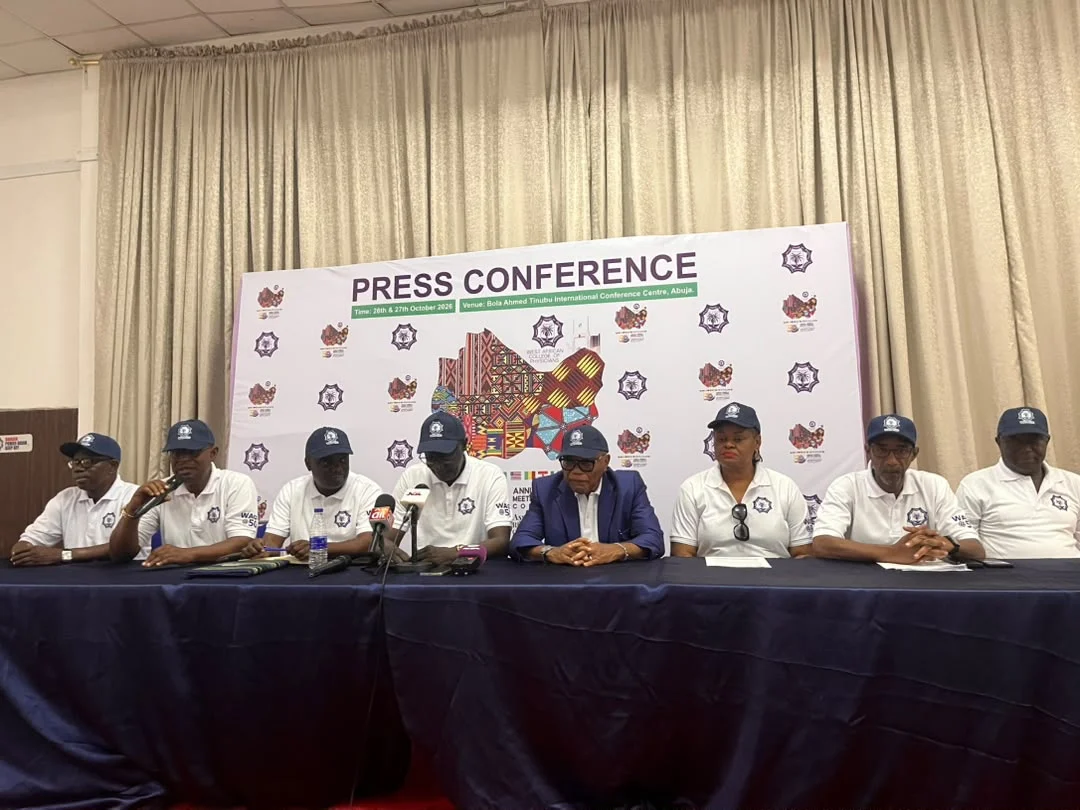
Tinubu Urges Medical College To Solve Doctor ‘Japa’ Syndrome
President Bola Tinubu has tasked the West African College of Physicians with developing practical solutions to doctors’ migration and West Africa’s medical brain drain.
 News
News
Shoprite Set To Open Neighbourhood Stores After Shutdown
Shoprite Nigeria plans to open standalone neighbourhood stores after reopening three outlets, as investors pursue a strategy to cut costs and revive operations.
 News
News
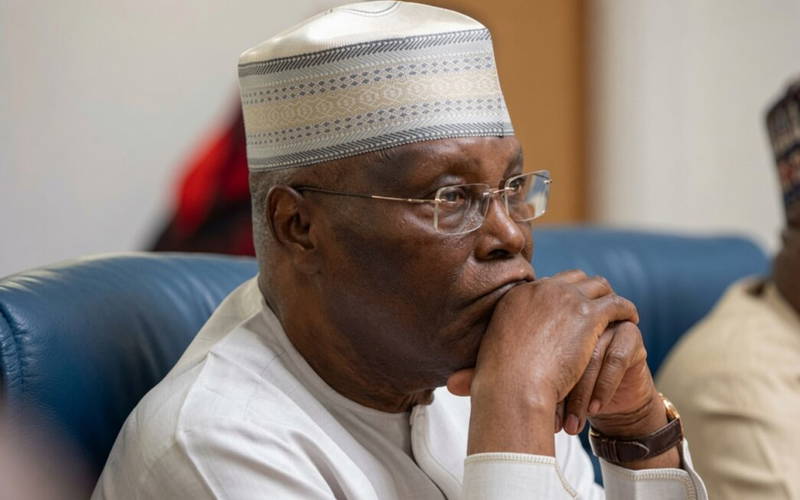
Blaming Opposition For Hunger Is ‘Delusion’ — Atiku Tells Tinubu
Atiku Abubakar has accused President Tinubu of evading responsibility for Nigeria’s economic hardship after blaming opposition politicians for hunger and poverty.
 News
News
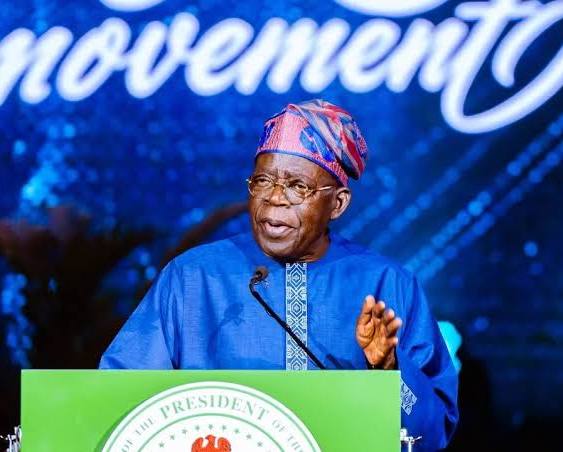
Tinubu Accuses Opposition of Creating Hunger, Poverty
President Bola Tinubu has accused opposition parties of creating the hunger and poverty they now criticise his administration over, insisting that his government is working to eradicate hardship and deliver economic prosperity.
Comments (0)
Leave a comment
All comments are moderated before publishing. Your email is never published.