
SERAP, NGE Threaten Lawsuit Over Foreign Aid Bill
SERAP and NGE warn proposed foreign aid legislation could restrict civic space, media freedom and democratic participation.
The Socio-Economic Rights and Accountability Project and the Nigerian Guild of Editors have threatened legal action if the National Assembly passes the proposed Foreign Aids (Regulation, Transparency and Disclosure) Bill, 2026.
The organisations urged the Senate President, Godswill Akpabio, and the Speaker of the House of Representatives, Tajudeen Abbas, to reject and withdraw the bill, describing it as unnecessary, unlawful and unconstitutional.
The bill, sponsored by Senator Ibrahim Dankwambo, seeks to introduce mandatory registration and disclosure requirements for organisations and private entities receiving foreign assistance.
Under the proposed legislation, organisations could face sanctions including fines of at least N20 million, as well as possible suspension or revocation of their operating licences.
SERAP and NGE argued that the proposed framework could give the government extensive control over civil society organisations, independent media, religious organisations and other entities that receive foreign funding.
They questioned the need for another regulatory framework, noting that Nigeria already has institutions responsible for corporate registration, financial reporting, taxation, anti-money laundering and anti-corruption enforcement.
The organisations also criticised what they described as vague provisions in the bill, particularly references to terms such as “foreign aid,” “national priorities” and “public interest” without sufficiently clear legal definitions or objective standards for their application.
They warned that such provisions could create uncertainty for organisations and potentially discourage legitimate activities supported by foreign grants.
SERAP and NGE further raised concerns about the implications of the bill for freedom of expression and association, particularly as Nigeria approaches the 2027 general elections.
They argued that many civil society organisations and media organisations rely on foreign assistance to support investigative journalism, fact-checking, journalist safety, media development and other public-interest activities.
According to the groups, imposing additional government controls over such funding could weaken the independence of civil society and the media while creating opportunities for excessive regulatory interference.
They urged lawmakers to withdraw the bill and publicly commit to avoiding legislation that could unjustifiably restrict civic space, press freedom or legitimate civil society activities.
SERAP and NGE warned that if the National Assembly proceeds with the legislation despite their constitutional and human rights concerns, they would consider taking appropriate legal action in the public interest.
The organisations said any court challenge would seek to protect freedom of association, media freedom and democratic participation.
The controversy has added another layer to ongoing debates over the regulation of foreign-funded organisations and the balance between transparency, accountability and the protection of fundamental freedoms in Nigeria.
Sponsored

Related stories
 News
News
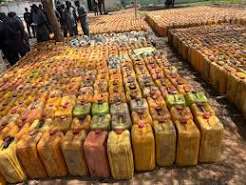
Customs Seizes 38,700 Litres of Petrol in Adamawa
The Nigeria Customs Service has intercepted 38,700 litres of petrol and a vehicle valued collectively at ₦63.115 million during a six-week crackdown on suspected fuel smuggling in Adamawa State.
 News
News
FG Links 15.6 Million Nigerians to National Social Register Through NIN
The Federal Government has integrated the National Identification Numbers of 15.65 million Nigerians into the National Social Register, as it expands efforts to improve beneficiary verification and strengthe In transparency in social protection programmes.
 News
News
Dangote Cement Drivers Raise Safety, Welfare Concerns at Ogun Retreat
Dangote Cement drivers at the company’s Ibese plant have discussed road safety, rising living costs and workplace challenges at a retreat, as management reaffirmed its commitment to improving their welfare and promoting safer transport operations.
 News
News
Pope Leo XIV Requires No Further Treatment for Lung Cancer, Vatican Says
Pope Leo XIV will not require additional cancer treatment after surgery successfully removed localised lung cancer, with final laboratory tests confirming that the disease had not spread beyond the affected area.
Comments (0)
Leave a comment
All comments are moderated before publishing. Your email is never published.