
States Develop Uniform Electricity Tariff Framework to Address Pricing Differences
The Nigeria Governors’ Forum is developing a uniform electricity tariff methodology to guide pricing across states and address inconsistencies arising from the decentralisation of electricity regulation. The framework is expected to be completed by the first quarter of 2027.
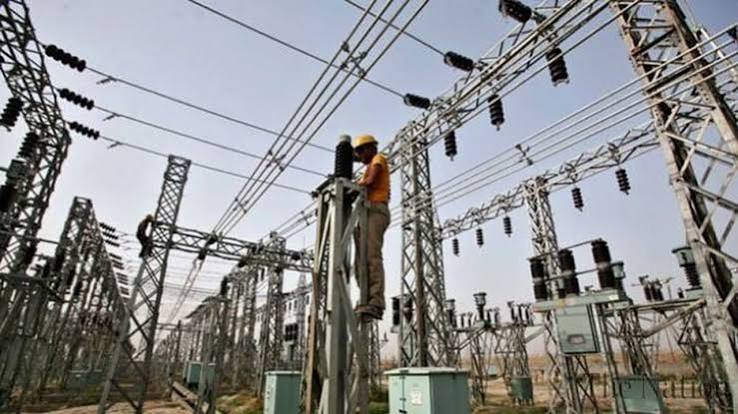
The Nigeria Governors’ Forum (NGF) says it is developing a uniform electricity tariff methodology to guide pricing across states and address inconsistencies arising from the decentralisation of the country’s electricity regulatory framework.
The forum disclosed this at the ongoing Lagos Energy Summit, where its representative, Chijioke Chukwu, explained that the proposed framework would help states overcome challenges associated with determining electricity tariffs and establishing functional electricity markets.
Chukwu said the methodology was being developed following difficulties encountered by some states in setting their electricity tariffs under the decentralised regulatory system.
He stated that the framework was expected to be ready by the first quarter of 2027.
According to him, the transition from a centralised electricity regulatory structure to multiple state regulators has created the need for common minimum standards to guide tariff determination, licensing requirements and technical operations across the country.
He disclosed that the NGF had also developed a model electricity law, based on the Electricity Act, to guide states in establishing their regulatory frameworks.
However, he clarified that the model legislation was not intended for automatic adoption, but would serve as a guide that individual states could adapt to their specific circumstances.
Chukwu noted that some states had experienced difficulties in enacting their electricity laws due to limited technical knowledge and institutional capacity to understand the regulatory requirements.
He added that the forum was developing additional instruments, including public-private partnership guidelines, integrated resource plans and service-level agreements, to support the establishment of functional electricity markets across states.
Meanwhile, a member of the Presidential Task Force on Power Sector Reset and Restoration, Engineer Uzoma Achinanya, raised concerns over weak regulatory enforcement in the electricity sector.
Achinanya argued that the introduction of additional regulations would not resolve existing challenges without effective monitoring and enforcement mechanisms to ensure compliance by industry operators.
He also identified poor payment discipline as a major threat to sustainable electricity supply, warning that gas suppliers and electricity generation companies could not continue providing services without receiving payments for their operations.
The discussions come amid growing concerns about regulatory fragmentation and the challenges of implementing electricity market reforms following the transfer of regulatory responsibilities to state governments.
Sponsored

Related stories
 News
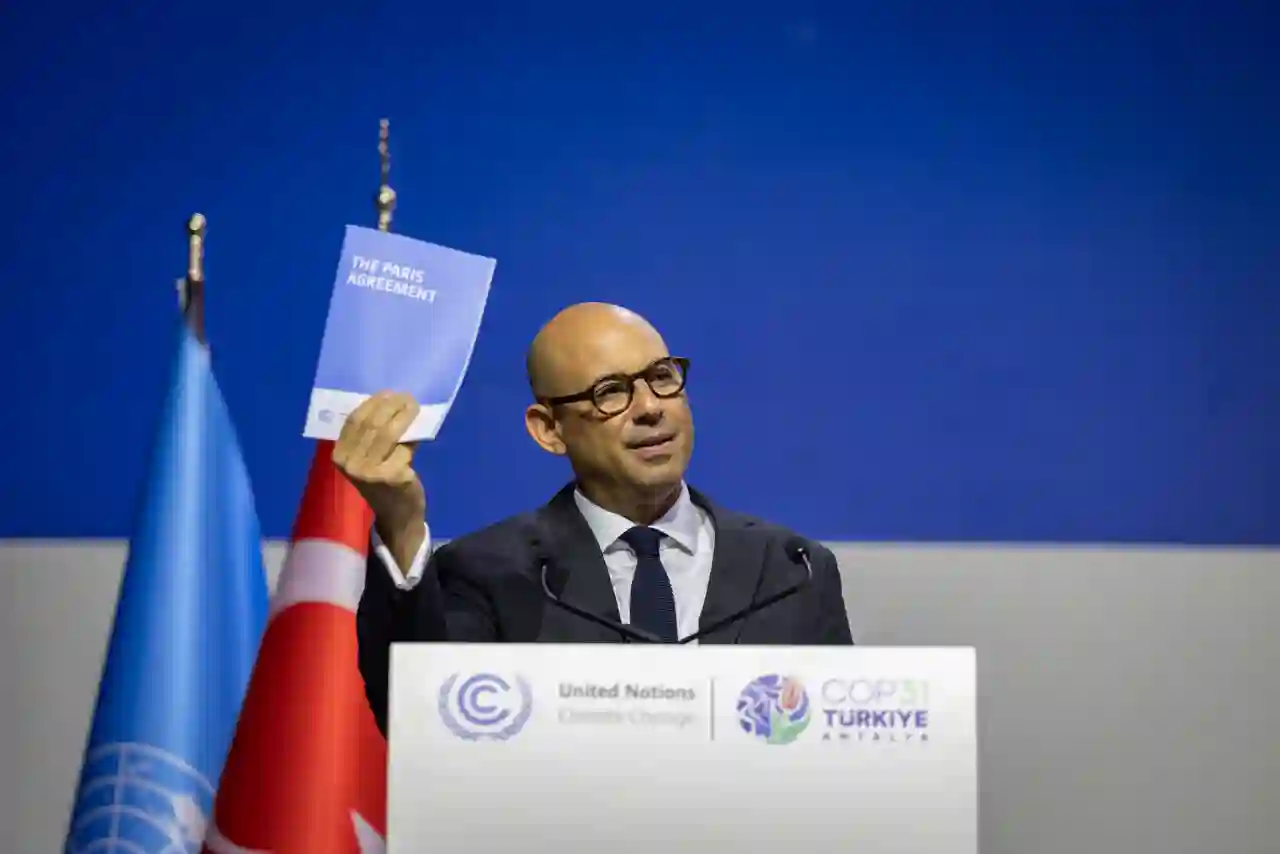
Global Warming Indicators Hit Record Levels as COP31 Calls for Urgent Action
The World Meteorological Organization says rising global temperatures, ocean heat and greenhouse gases underscore the urgent need for stronger climate action.
 News
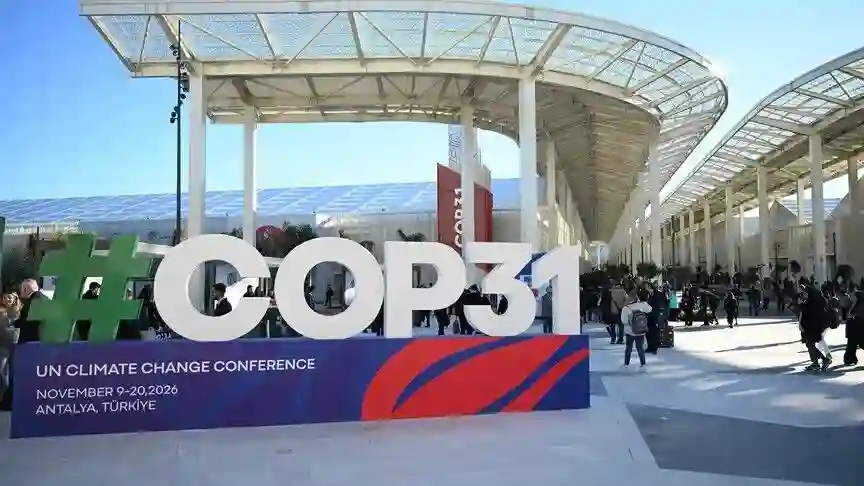
Vulnerable Island Nations Demand More Climate Finance at COP31
Small island nations at COP31 have called for stronger climate financing, warning that storms, floods and rising seas threaten livelihoods and development.
 News
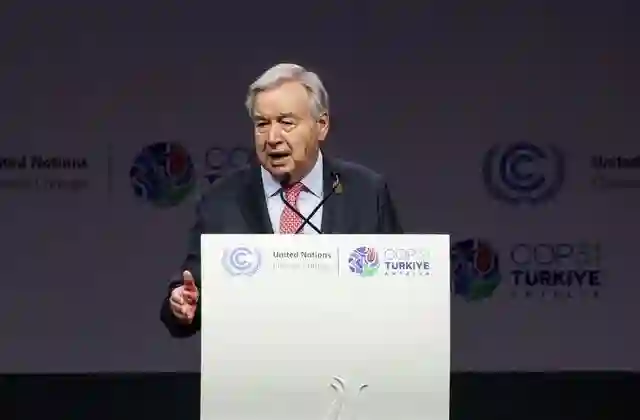
War, Conflicts Must Not Distract World From Climate Action — Leaders Warn at COP31
Brazil and Türkiye have urged world leaders to maintain climate commitments despite wars, trade disputes and competing global political and economic crises.
 News
COP31: Energy Transition Takes Centre Stage as Countries Map Path Beyond Fossil Fuels
Countries at COP31 are pushing for faster electrification, renewable energy investment and practical roadmaps to reduce dependence on fossil fuels.
Comments (0)
Leave a comment
All comments are moderated before publishing. Your email is never published.