
COP31: Energy Transition Takes Centre Stage as Countries Map Path Beyond Fossil Fuels
Countries at COP31 are pushing for faster electrification, renewable energy investment and practical roadmaps to reduce dependence on fossil fuels.

The transition away from fossil fuels has taken centre stage at the 31st United Nations Climate Change Conference (COP31) in Antalya, Türkiye, as countries explore practical measures to accelerate clean energy adoption and reduce dependence on coal, oil and gas.
Discussions during the conference’s Energy and Transport Day on November 10 focused on the challenges of transforming global energy systems, expanding renewable electricity and securing the financing and infrastructure required to make the transition possible.
Brazil’s COP30 presidency presented a roadmap designed to help countries translate the commitment to transition away from fossil fuels, reached at COP28 in Dubai in 2023, into practical national strategies.
The roadmap examines three major areas: fossil fuel demand, production and supply, and the economic consequences of reducing dependence on conventional energy sources.
It proposes that countries assess their energy systems, identify obstacles and develop national plans based on their individual circumstances. The document is voluntary and does not constitute a new binding international agreement.
United Nations Secretary-General António Guterres urged governments to move beyond declarations and establish clear timelines for reducing fossil fuel dependence.
“It is long past time to stop treating the transition away from fossil fuels as taboo or intractable,” Guterres said, warning that continued dependence also exposes economies to energy market instability and geopolitical disruptions.
The host country, Türkiye, is promoting its 35-by-35 Global Electrification Pledge, which seeks to increase electricity’s share of global energy consumption from slightly above 20 per cent to 35 per cent by 2035.
The proposal is intended to accelerate the adoption of electric transport, heating systems and industrial technologies. However, experts have stressed that electrification must be supported by cleaner electricity generation to deliver significant climate benefits.
Another major concern is the condition of electricity infrastructure. Energy experts say thousands of gigawatts of proposed power generation and other energy projects are awaiting grid connections worldwide, highlighting the need for investment in transmission lines, storage facilities and modern electricity networks.
Financing also remains a major obstacle, particularly for developing countries facing high borrowing costs and limited access to affordable capital.
For African countries, the discussions carry significant implications. Expanding reliable electricity access, attracting renewable energy investment and strengthening climate-resilient infrastructure remain important priorities.
The conference is therefore seeking to connect climate commitments with practical implementation, while recognising that countries have different economic circumstances and energy needs.
As negotiations continue, the central challenge is to establish a transition that reduces emissions, strengthens energy security and provides developing economies with the financial and technological support needed to participate.
Sponsored

Related stories
 News
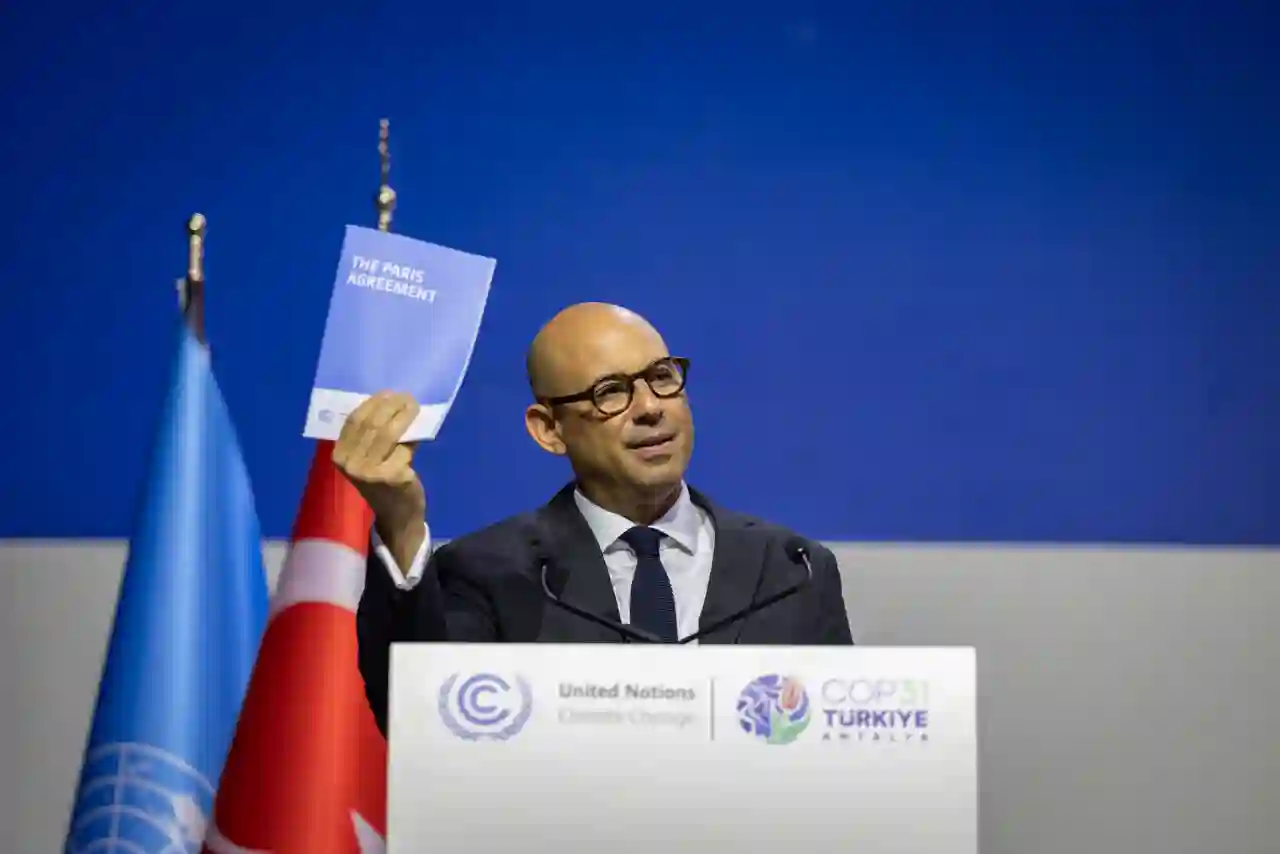
Global Warming Indicators Hit Record Levels as COP31 Calls for Urgent Action
The World Meteorological Organization says rising global temperatures, ocean heat and greenhouse gases underscore the urgent need for stronger climate action.
 News
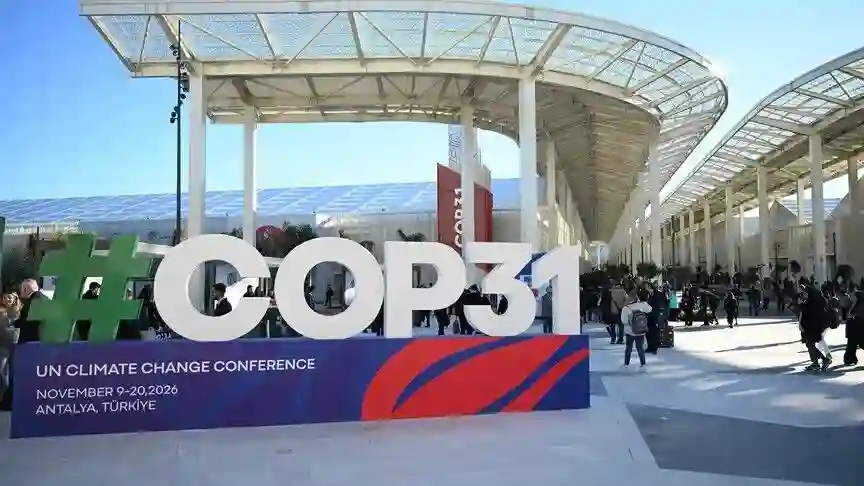
Vulnerable Island Nations Demand More Climate Finance at COP31
Small island nations at COP31 have called for stronger climate financing, warning that storms, floods and rising seas threaten livelihoods and development.
 News
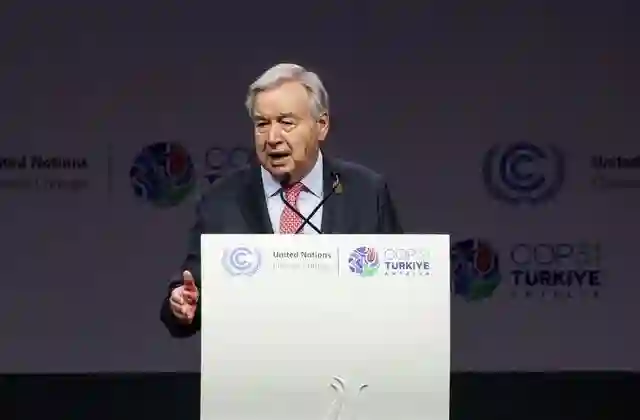
War, Conflicts Must Not Distract World From Climate Action — Leaders Warn at COP31
Brazil and Türkiye have urged world leaders to maintain climate commitments despite wars, trade disputes and competing global political and economic crises.
 News
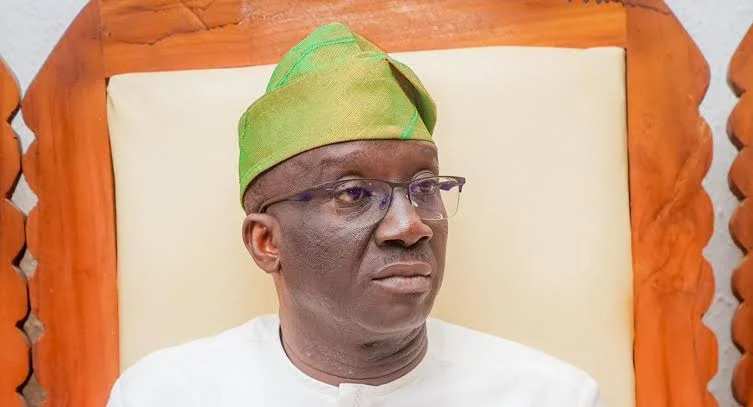
Edo Unveils Platform to Monitor Building Projects
Edo State has launched EdoBuild360, a digital platform designed to track public building projects, improve transparency and simplify planning applications.
Comments (0)
Leave a comment
All comments are moderated before publishing. Your email is never published.