
Right to Strike: Labour Hails ICJ Ruling as Triumph for Freedom, Justice
Trade unions across Africa have praised the ICJ ruling affirming workers’ right to strike under ILO Convention No. 87, describing it as a major victory for democracy and labour rights.
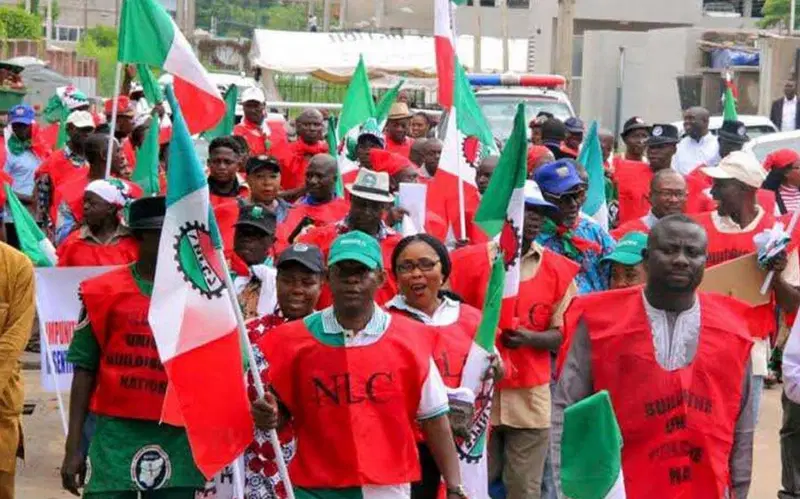
Trade unions across Africa have welcomed the recent ruling by the International Court of Justice affirming workers’ right to strike under the International Labour Organisation Convention No. 87.
The labour movement described the ruling as a historic victory for workers’ rights, democracy and social justice across the world.
The African Regional Organisation of the International Trade Union Confederation, also known as ITUC-Africa, made this known in a statement issued from Lomé, Togo.
In the statement signed by its General Secretary, Akhator Joel Odigie, the organisation said the judgment reinforced the legitimacy of strike action as a fundamental democratic right that should not be weakened or denied.
According to ITUC-Africa, the ruling confirmed what workers and labour unions have defended for generations — that the right to strike is inseparable from freedom of association and trade unionism.
The organisation noted that labour movements across the world achieved major milestones such as fair wages, improved working conditions, pensions, maternity protection and social protection through collective struggle and industrial action.
“Every major social and economic gain workers enjoy today was won because workers organised collectively and retained the power to withdraw their labour,” the statement said.
ITUC-Africa argued that trade unions would lose their effectiveness if workers were denied the ability to embark on industrial action whenever negotiations and dialogue fail.
“A union that cannot organise industrial action when dialogue fails is reduced to symbolism without power. The right to strike is not secondary, optional, or negotiable,” the statement added.
The labour body stressed that workers do not usually embark on strikes to create instability but often use them as a last resort against exploitation, poor wages, unsafe working conditions and inequality.
The organisation also warned that worsening economic hardship, rising living costs and shrinking civic space across Africa have made the protection of workers’ rights more important than ever.
ITUC-Africa further linked strike rights to democratic governance, insisting that no society can genuinely claim to uphold democracy while denying workers the right to organise and protest.
The ICJ, sitting in The Hague, ruled by 10 votes to four that the right to strike is protected under the ILO Freedom of Association and Protection of the Right to Organise Convention, 1948.
The ruling followed years of disagreement between workers’ unions and employers over whether Convention No. 87 guarantees workers the right to strike.
Sponsored

Related stories
 News
News
FG Seeks World Bank Guarantees for Infrastructure Financing
Nigeria’s Oyedele and Cardoso seek World Bank guarantees to attract private capital for infrastructure projects.
 News
News
Power: FG to Clear GenCos’ Legacy Debts in 2027 — Tegbe
Power Minister Joseph Tegbe says the Federal Government aims to settle outstanding legacy debts owed to electricity generation companies by 2027.
 News
News
IPO: Dangote Petroleum Refinery Extends Offer Period by Two Weeks
Dangote Refinery extends its share offer to October 27, giving investors more time to participate in the landmark IPO.
 News
News
Houthi Official Warns of ‘Swift, Painful Response’ if US Enters Yemen War
Houthi official Mohammed Al Bukhaiti threatens US interests if Washington joins Saudi Arabia’s military campaign against the group.
Comments (0)
Leave a comment
All comments are moderated before publishing. Your email is never published.